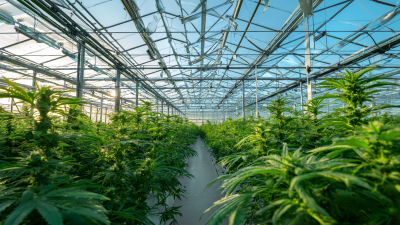
Top 10 Benefits of Aquaponics Greenhouse for Sustainable Farming
The rise of sustainable farming methods has sparked a significant interest in innovative agricultural practices that minimize environmental impact while maximizing efficiency. Among these, the Aquaponics Greenhouse stands out as a pioneering system that merges aquaculture and hydroponics, creating a symbiotic environment for plants and fish. According to a report by the Food and Agriculture Organization (FAO), global aquaculture production has increased by over 500% since the 1990s, highlighting the urgent need for sustainable practices that can support this growth. The integration of an Aquaponics Greenhouse not only optimizes space and resources but also enhances food security by delivering fresh produce in urban settings and areas affected by climate change.
Furthermore, research from the University of Arizona indicates that aquaponics systems can use up to 90% less water than traditional farming methods, making it a crucial solution to the looming water scarcity crisis. Moreover, the ability to cultivate both fish and plants in a closed-loop system results in higher yields and reduced dependence on chemical fertilizers. As sustainable agricultural practices become increasingly essential for meeting the demands of a growing global population, the benefits of adopting Aquaponics Greenhouses are more relevant than ever. In this article, we will explore the top ten advantages of utilizing this innovative approach to bolster sustainable farming initiatives worldwide.
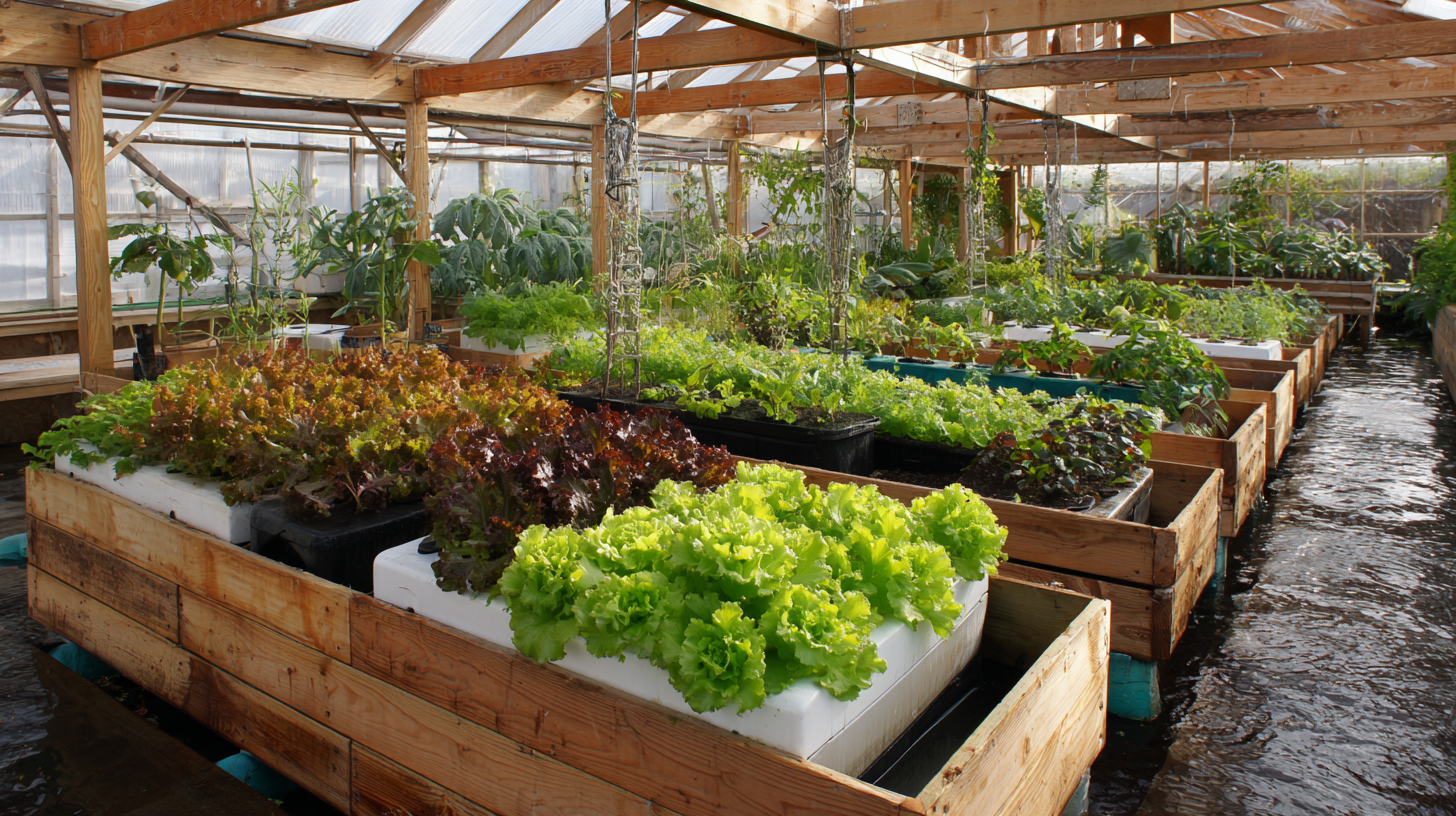
Benefits of Aquaponics in Reducing Water Usage Compared to Traditional Farming Methods
Aquaponics greenhouses present a revolutionary solution for sustainable farming, significantly reducing
water usage compared to traditional farming methods. By integrating aquaculture with hydroponics, aquaponics systems recycle water efficiently, minimizing waste. In comparison, conventional farming often relies on excessive water use, leading to depletion of vital water resources. The innovative nature of aquaponics allows it to use up to
90% less water, making it an essential technique as water scarcity becomes an increasing global concern.
The shift towards aquaponics is underscored by impressive
market growth predictions, with the hydroponics market poised to reach
$23.99 billion by 2032. As farmers seek sustainable solutions amid climate change challenges, aquaponics not only provides a pathway to reducing water consumption but also
enhances food security. By adopting aquaponics, the agricultural community can embrace a more efficient and environmentally friendly framework, ultimately contributing to sustainable food production while conserving one of our most precious resources—water.
The Role of Aquaponics in Enhancing Crop Yield Through Symbiotic Relationships
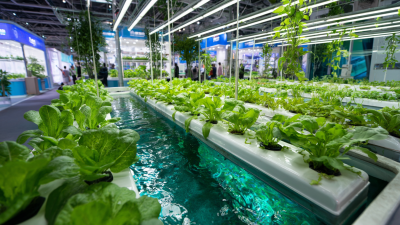
Aquaponics represents a transformative approach to sustainable farming by leveraging the symbiotic relationships between fish and plants. In this innovative system, fish waste provides an organic nutrient source for plants, while the plants help filter and clean the water, creating a closed-loop ecosystem that minimizes waste. This method not only enhances crop yields but also reduces the need for chemical fertilizers, promoting healthier food production practices. The efficiency of aquaponics systems allows for higher productivity in smaller spaces, making it particularly suitable for urban farming initiatives and areas facing food insecurity.
In developing countries, aquaponics has the potential to address food security challenges effectively. By combining aquaculture and hydroponics, communities can produce protein-rich fish and fresh vegetables in a sustainable manner. This dual production system requires less water compared to traditional farming methods and can thrive in areas with poor soil quality. As global food demands grow, particularly for fish and seafood, aquaponics offers a viable solution for sustainable food production, helping to alleviate poverty and improve nutritional access for those in need.
Economic Advantages of Aquaponics in Urban Farming: A Cost-Benefit Analysis
Aquaponics systems offer significant economic advantages, particularly in urban farming contexts. According to a report from the Food and Agriculture Organization (FAO), urban agriculture can reduce food transportation costs by 20-30%, leading to substantial savings for both producers and consumers. In aquaponics, where fish waste provides nutrients for plants, these systems can yield two to three times more produce per square foot compared to traditional farming methods, maximizing the use of limited urban space. A study by the USDA indicates that aquaponics can achieve a profit margin of up to 40% higher than conventional agriculture, making it a lucrative business model.
Additionally, the operational costs of an aquaponics system can be significantly lower than those of traditional farming due to reduced water usage and the elimination of chemical fertilizers. Research published by the National Sustainable Agriculture Coalition shows that aquaponics uses about 90% less water than conventional agriculture practices. With rising concerns about water scarcity and food security in urban areas, implementing aquaponic greenhouses could serve as a sustainable solution that not only provides fresh produce but also optimizes resource use and minimizes environmental impact. By recognizing the cost benefits and sustainability of aquaponics, urban farmers can take a substantial step toward a more resilient and profitable agricultural model.
Nutritional Value: How Aquaponics Produces Healthier Foods for Consumers
Aquaponics combines aquaculture and hydroponics, creating a symbiotic environment where fish waste serves as nutrients for plants, while plants help purify the water for fish. This innovative system not only enhances crop yields but also significantly boosts the nutritional value of the produce. The fish used in aquaponics, such as tilapia or trout, are rich in omega-3 fatty acids, which are essential for a balanced diet. When consumers choose aquaponics-grown vegetables, they benefit from increased vitamins and minerals due to the naturally enriched growing conditions.
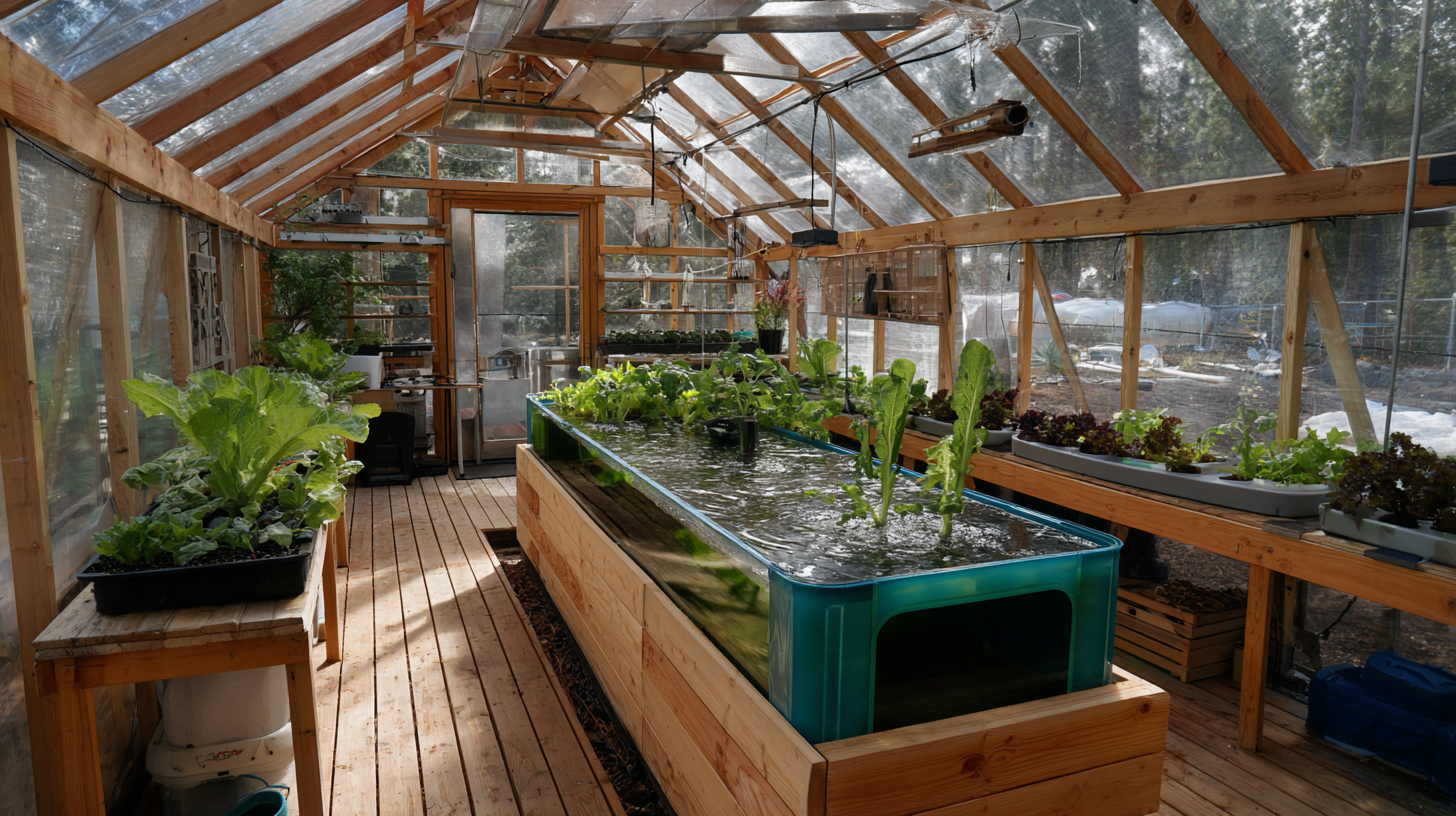
Moreover, the absence of synthetic fertilizers and pesticides in aquaponics allows consumers to enjoy cleaner, healthier food options. The controlled environment of an aquaponics greenhouse minimizes exposure to harmful chemicals and promotes organic growth practices. As a result, vegetables produced through this method often retain a higher nutrient density than their conventionally grown counterparts. This not only supports individual health but also contributes to overall sustainable farming practices, providing a solution that addresses both food quality and environmental impact.
Environmental Impact: Aquaponics as a Solution for Sustainable Food Production
Aquaponics represents a pioneering solution to the challenges of sustainable food production, significantly reducing the environmental impact of farming. By combining aquaculture and hydroponics, aquaponics creates a closed-loop system where fish waste provides nutrients for plants, and plants help filter water for fish. This symbiotic relationship minimizes the need for chemical fertilizers and reduces water usage by up to 90% compared to traditional farming methods. As a result, aquaponics can significantly lower the carbon footprint associated with food production, contributing to more sustainable farming practices.
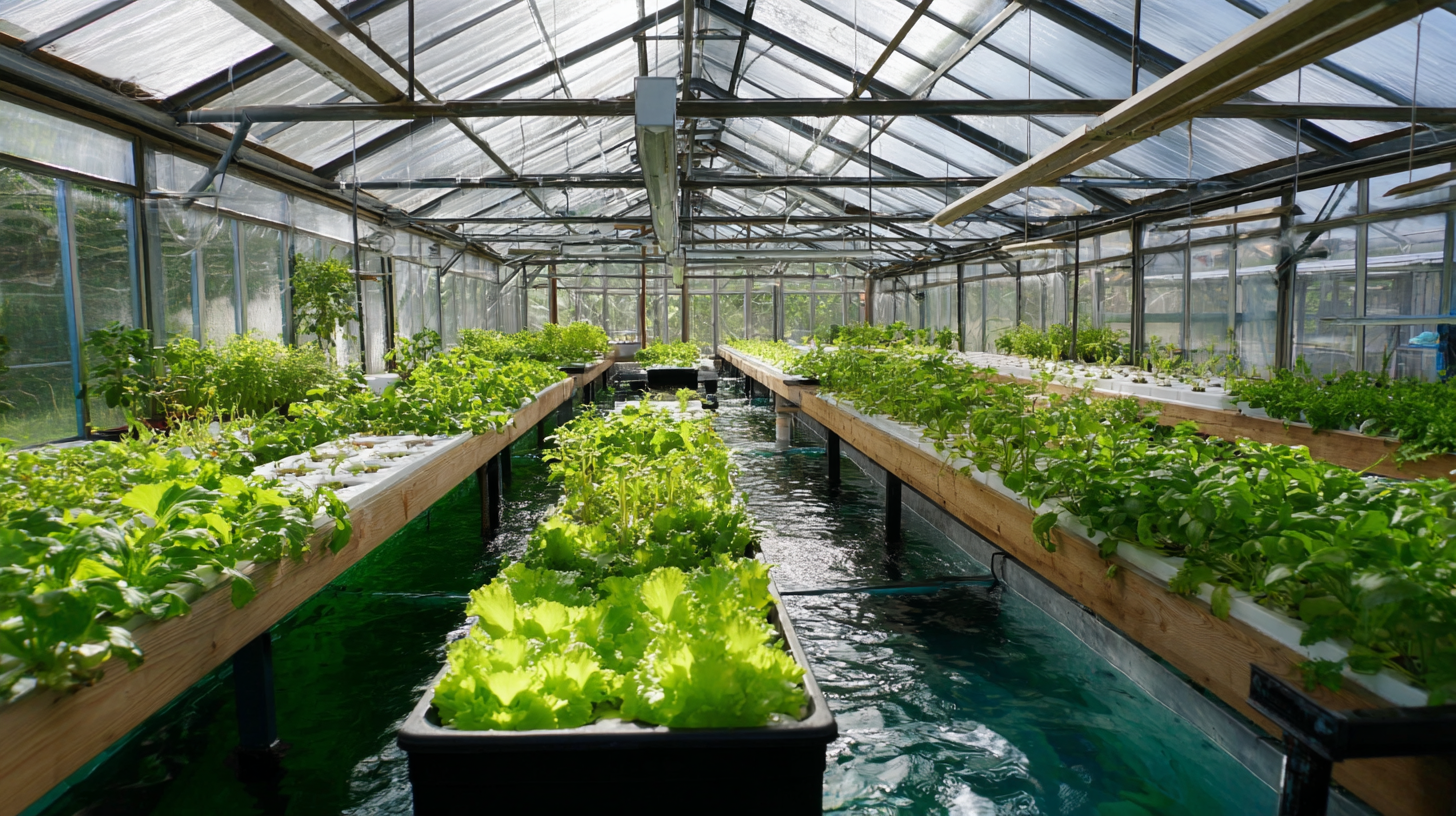
Moreover, aquaponics systems can be set up in various environments, including urban areas, which addresses food deserts by making fresh produce and fish more accessible. By cultivating food locally, aquaponics can reduce the miles food travels from farm to table, diminishing greenhouse gas emissions linked to transportation. This innovative approach not only fosters increased food security but also promotes biodiversity by allowing for the cultivation of various crops alongside fish species, encouraging a more resilient ecosystem. In essence, aquaponics stands out as a vital method for producing food sustainably while addressing pressing environmental concerns.