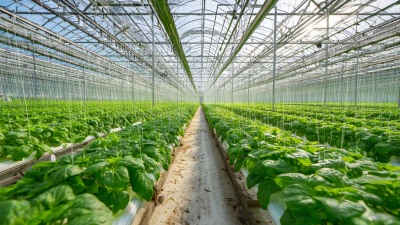
Top 10 Benefits of an Intelligent Greenhouse for Sustainable Farming
In the pursuit of sustainable farming practices, the evolution of technology has led to innovative solutions that significantly enhance agricultural productivity and environmental stewardship. Among these solutions, the concept of the "Intelligent Greenhouse" has emerged as a game-changer in modern agriculture. Dr. Emily Thorne, a leading expert in agricultural technology, once stated, "The Intelligent Greenhouse not only optimizes resources but also paves the way for a more sustainable future by minimizing waste and maximizing yield." This statement underlines the critical role that Intelligent Greenhouses play in transforming traditional farming into a more efficient and eco-friendly endeavor.
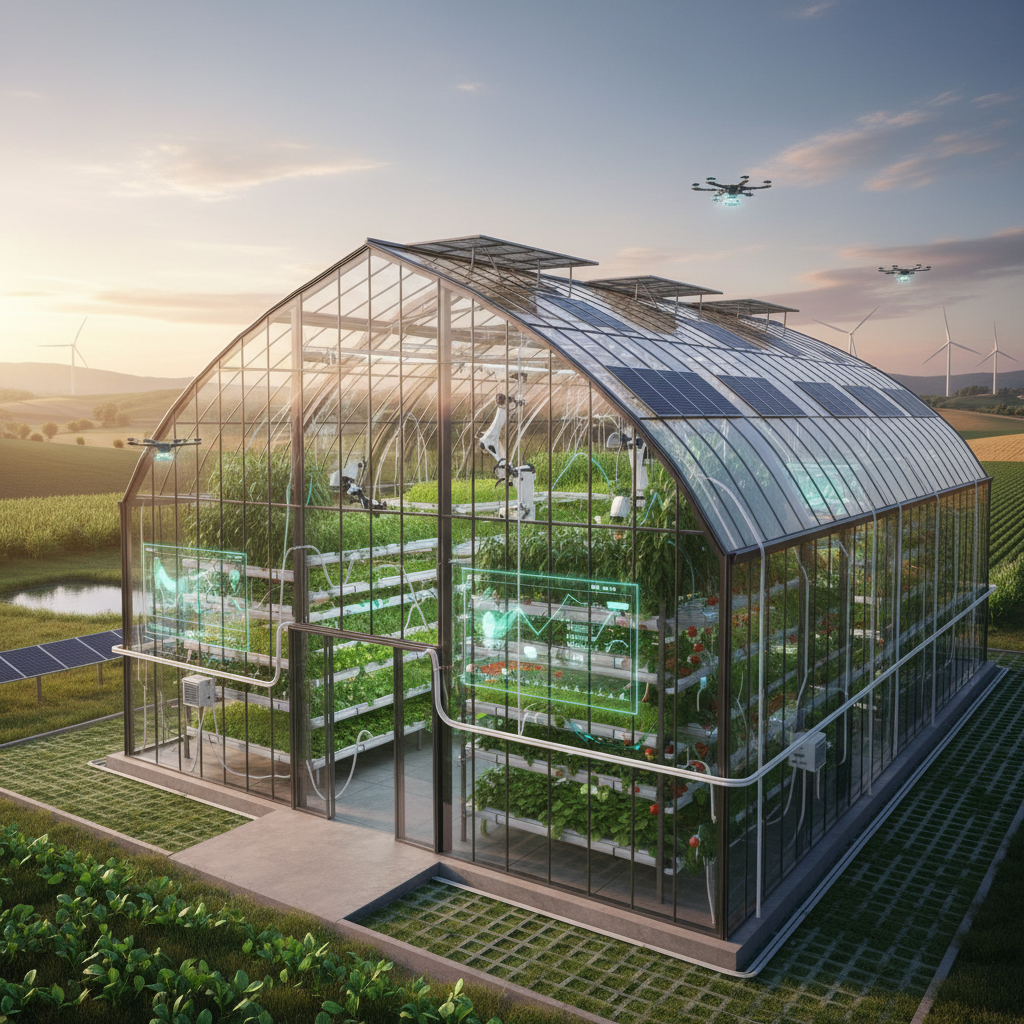
As we delve into the top 10 benefits of adopting Intelligent Greenhouse technology, we will explore how these advanced systems enable farmers to monitor and control environmental conditions with precision. This capability not only leads to improved crop quality but also fosters a more responsible approach to resource utilization. With integrated sensors, automated systems, and data analytics, an Intelligent Greenhouse ensures that each plant receives the exact conditions it requires to thrive, showcasing a remarkable synergy between innovation and sustainability.
Embracing the Intelligent Greenhouse paradigm is vital for farmers aiming to meet the demands of a growing global population while addressing pressing environmental challenges. As we navigate through these transformative benefits, we will reveal how Intelligent Greenhouses are at the forefront of a movement towards smarter, greener agriculture.
Benefits of Intelligent Greenhouses in Optimizing Resource Use for Sustainable Agriculture
Intelligent greenhouses represent a revolutionary approach to sustainable farming, significantly optimizing resource use. By integrating advanced technologies like climate control systems, sensors, and automated irrigation, these greenhouses create an ideal environment for plant growth while minimizing waste. This optimal resource allocation leads to increased yields and reduced reliance on chemical fertilizers and pesticides, promoting healthier crop production.
Tip: Implement real-time monitoring systems to track environmental conditions. This data can help farmers make informed decisions about temperature and humidity adjustments, ensuring that crops thrive without unnecessary resource expenditure.
Moreover, intelligent greenhouses enable farmers to use water more efficiently. With precision irrigation techniques, water is delivered directly to plant roots as needed, decreasing runoff and evaporation losses. This method not only conserves water but also supports the sustainable management of this vital resource.
Tip: Consider using rainwater harvesting systems alongside intelligent greenhouses. This can further enhance water efficiency while providing an eco-friendly alternative to conventional water sources.
Impact of Climate-Controlled Environments on Crop Yield Enhancement in Intelligent Greenhouses
The global agricultural market is projected to reach a staggering USD 100.31 billion by 2024 and is anticipated to grow at an impressive compound annual growth rate, potentially hitting USD 919.22 billion by 2033. This dynamic expansion underscores the transformative role of technology in modern agriculture, enabling farmers to leverage innovative solutions for enhanced productivity and sustainability.
Intelligent greenhouses serve as a prime example, providing climate-controlled environments that significantly impact crop yield.
By regulating temperature, humidity, and light levels, intelligent greenhouses create optimal conditions for plant growth, resulting in higher yields and improved quality. These controlled environments allow for precise management of resources, minimizing waste and maximizing efficiency. As demonstrated by new farmers like Zhou Yuyun, who has embraced modern agricultural practices over the past five years, the integration of advanced technologies in agricultural operations is empowering the next generation of farmers to achieve remarkable outcomes. This trend not only bolsters individual crop production but also contributes to the overall enhancement of global food security in the face of ever-changing climatic conditions.
Integration of IoT Technology in Intelligent Greenhouses for Efficient Farming Practices
The integration of IoT technology in intelligent greenhouses is revolutionizing sustainable farming practices. By leveraging sensors, data analytics, and automation, farmers can monitor and manage environmental conditions in real-time. For instance, temperature, humidity, and soil moisture levels can be tracked and optimized to create the ideal growing environment for crops. This precision agriculture not only improves yield but also reduces resource waste, making farming more efficient and sustainable.
Moreover, IoT devices enable remote management of greenhouses, allowing farmers to control irrigation systems, ventilation, and lighting from anywhere. This flexibility is crucial in adapting to changing weather conditions and minimizing energy consumption. Data collected from these devices can also drive predictive analytics, providing insights into crop performance and disease control. By harnessing the power of IoT, intelligent greenhouses empower farmers to make informed decisions, resulting in more sustainable and productive agricultural practices.
Role of Intelligent Greenhouses in Reducing Water Consumption and Improving Irrigation Methods
Intelligent greenhouses play a crucial role in sustainable farming by significantly reducing water consumption and enhancing irrigation methods. Through the integration of advanced technologies, such as IoT sensors and automated systems, these greenhouses monitor environmental factors like humidity, temperature, and soil moisture levels in real time. This data-driven approach enables precise water management, allowing farmers to optimize irrigation schedules and apply the right amount of water exactly when plants need it. As a result, water waste is minimized, contributing to more sustainable agricultural practices.
Moreover, intelligent greenhouses utilize smart irrigation techniques, such as drip and subsurface irrigation, which deliver water directly to plant roots, further conserving water resources. By employing these methods, farmers not only improve crop yields but also mitigate the environmental impact associated with over-irrigation and water runoff. This technology empowers farmers to create a more resilient agricultural system that conserves water, conserves energy, and reduces overall resource consumption, aligning with sustainable farming goals and ensuring the long-term viability of food production.
Economic Advantages of Adopting Intelligent Greenhouse Systems for Sustainable Crop Production
The adoption of intelligent greenhouse systems offers significant economic advantages that can transform sustainable crop production. By incorporating advanced technologies such as IoT sensors, automated climate control, and data analytics, these greenhouses optimize resource use—water, energy, and nutrients—thereby reducing operational costs. Farmers can monitor environmental conditions in real-time, allowing for precise adjustments that maximize plant growth and yield. This efficiency not only enhances productivity but also minimizes waste, aligning with sustainability goals.
Moreover, intelligent greenhouses can enhance profitability through better crop quality and increased market competitiveness. By ensuring optimal growing conditions, these systems help produce premium-quality produce that can command higher prices. Additionally, as consumer demand shifts towards sustainably sourced food, farmers utilizing intelligent greenhouse systems can capitalize on market trends, attracting eco-conscious buyers. This dual focus on quality and sustainability not only leads to greater financial returns but also supports long-term viability for agricultural operations, making the initial investment in technology a strategic move toward future success.