10 Best Hydroponics Systems for Home Gardening Success
Hydroponics, the method of growing plants without soil, has paved the way for innovative home gardening solutions that maximize yield and minimize resource usage. According to a report by MarketsandMarkets, the global hydroponics market is expected to reach $12.1 billion by 2027, growing at a CAGR of 23.1% from 2020. This surge in interest highlights the increasing acceptance of hydroponics not only as an agricultural technology but also as a viable solution for home gardeners seeking sustainability and efficiency.
Furthermore, renowned hydroponics expert Dr. Richard A. Harker emphasizes the importance of this growing trend, stating, “Hydroponics empowers individuals to take control of their food production, making it possible to grow fresh produce in any environment.” As more home gardeners recognize the benefits of hydroponics—such as reduced water usage and space optimization—they are more inclined to invest in systems that offer both ease of use and successful outcomes.
In this guide, we will explore the ten best hydroponics systems tailored for home gardening success, enabling enthusiasts at all levels to harness the power of this innovative technique and achieve fruitful yields.
Understanding Hydroponics: A Brief Overview of Soil-less Gardening
Hydroponics is an innovative approach to gardening that eliminates the need for soil,
allowing plants to grow in a nutrient-rich water solution. This method offers several advantages, including
faster growth rates and higher yields compared to traditional gardening.
By delivering essential nutrients directly to the plant roots, hydroponics creates an efficient growing environment that
maximizes plant health and productivity.
There are various hydroponic systems available, each designed to suit different
gardening needs and spaces. From deep water culture to nutrient film techniques, these systems enable gardeners to cultivate a
wide variety of crops indoors or outdoors, regardless of soil quality or climate conditions. As urban farming gains popularity,
understanding the basics of hydroponics opens up new possibilities for gardening at home,
making it accessible to anyone interested in sustainable food production.
Types of Hydroponic Systems: Choosing the Right One for Your Space
When it comes to hydroponic gardening, the first step is selecting the right system for your available space.
There are several types of hydroponic systems, each with unique features that cater to different needs and environments.
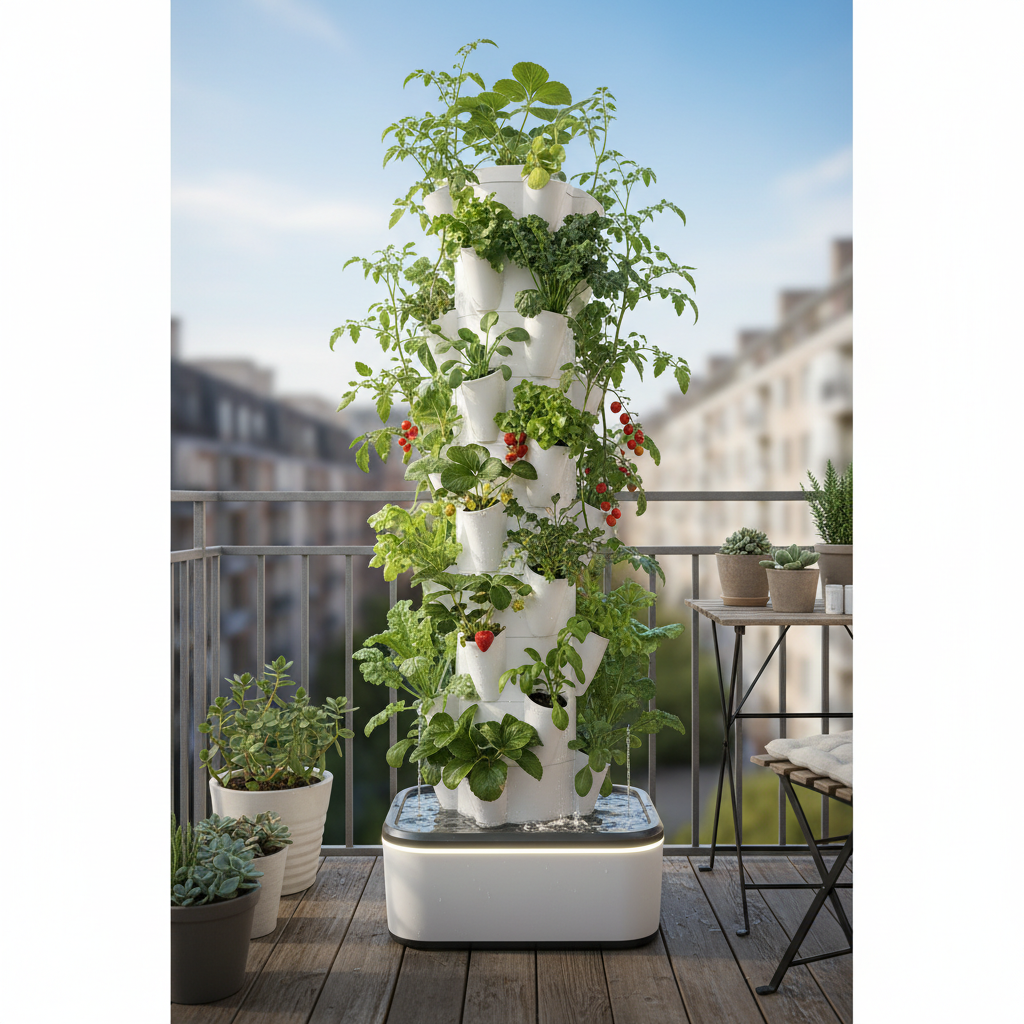
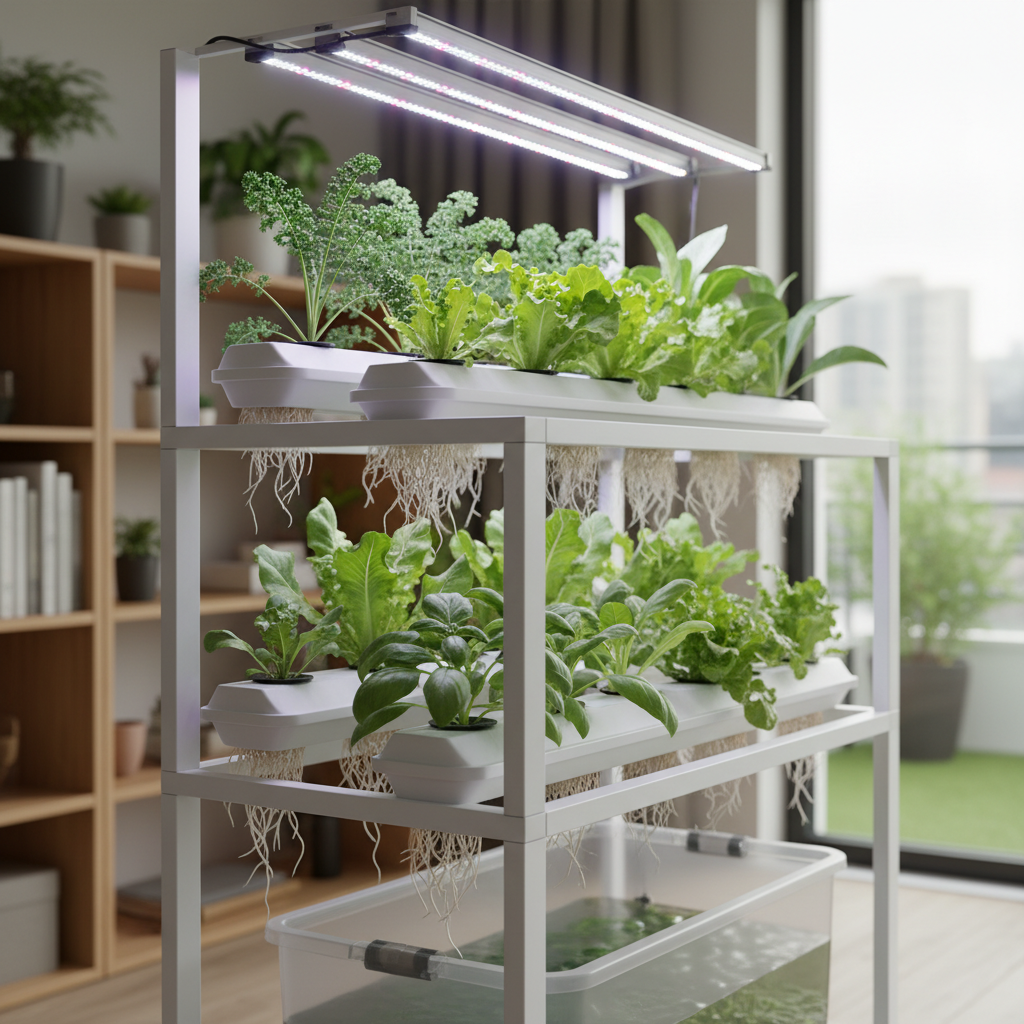
For small spaces, such as apartments or balconies, a vertical hydroponics system is ideal.
This system utilizes vertical space efficiently, allowing you to grow a variety of plants in a compact footprint.
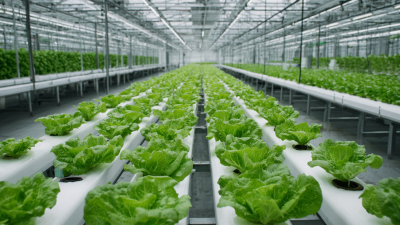
For those with larger areas, such as dedicated garden rooms, nutrient film technique (NFT) systems can be an excellent choice.
NFT systems work by continuously circulating nutrient-rich water through a sloped channel, providing plants with a steady supply of nutrients and oxygen.
This method not only optimizes growth but also conserves water.
Lastly, deep water culture (DWC) is ideal for hobbyists looking to maximize growth rates for larger plants.
In a DWC setup, plant roots are submerged in oxygenated nutrient solution, allowing for rapid growth.
Understanding these different types of hydroponic systems will help you make an informed decision tailored to your gardening ambitions and available space.
Essential Components of Hydroponic Systems: What You Need to Get Started
Hydroponic gardening has surged in popularity, especially among home gardeners seeking to optimize space and resources. To embark on this soilless journey, understanding the essential components of hydroponic systems is crucial. At the core of any hydroponic setup are growth containers, nutrient solutions, and an adequate water source. A study by the National Gardening Association indicates that over 30% of household gardens now incorporate some form of hydroponic method, highlighting the growing necessity for a reliable system.
Additionally, a quality lighting setup, often featuring LED grow lights, is vital to mimic natural sunlight, promoting photosynthesis in plants. In fact, research from the Department of Agriculture shows that hydroponically grown plants can yield up to 30-50% more produce compared to traditional soil gardening. Air circulation systems, including fans and aeration pumps, further enhance plant growth by ensuring adequate oxygenation of the roots in the nutrient-rich water. With these components, home gardeners can achieve remarkable success while enjoying the eco-friendly benefits of hydroponic gardening.
Benefits of Hydroponics: Why Opt for Soil-less Gardening Methods
Hydroponics offers a revolutionary approach to gardening by eliminating the need for soil. This method utilizes nutrient-rich water solutions that provide plants with essential nutrients directly. One of the primary benefits of hydroponics is the ability to grow plants in controlled environments, which can lead to faster growth rates and higher yields compared to traditional soil gardening. The absence of soil also reduces the risk of soil-borne diseases, allowing for healthier plants and minimizing the need for pesticides.
Additionally, hydroponics systems can be set up in smaller spaces, making them ideal for urban settings where garden space is limited. They also use water more efficiently than conventional methods, as the closed system recirculates water, leading to less waste. This environmental benefit is crucial for sustainable gardening practices, especially as urban populations grow. By opting for soil-less gardening methods, home gardeners can cultivate a diverse array of crops year-round, transforming their living spaces into productive green havens.
Hydroponics Systems Comparison
This chart compares different hydroponics systems based on ease of use, initial cost, and yield efficiency. The data shows that while some systems may have a higher initial investment, they offer better yields for home gardeners.
Tips for Successful Hydroponic Gardening: Maximizing Your Yield at Home
To maximize your yield in hydroponic gardening at home, it's essential to understand the balance of nutrients, light, and water. Choose a high-quality nutrient solution tailored to the specific needs of the plants you're growing. Regularly test the pH and electrical conductivity of the water to ensure the ideal conditions for nutrient uptake. This diligence helps prevent deficiencies that can impede plant growth.
Additionally, lighting plays a crucial role in the success of hydroponic gardens. If your system is indoors, investing in a full-spectrum LED grow light will mimic natural sunlight and encourage robust growth. Position your lights to be at an optimal distance from the plants to avoid burning the leaves while ensuring adequate exposure. Furthermore, consider implementing a consistent watering schedule and monitor plant health to adjust factors such as aeration and humidity, enhancing overall development and yield. By paying attention to these elements, you can create a thriving hydroponic ecosystem right in your home.
10 Best Hydroponics Systems for Home Gardening Success
| Hydroponics System Type |
Best For |
Yield Potential |
Space Required |
Difficulty Level |
| Nutrient Film Technique (NFT) |
Lettuce, Herbs |
High |
Moderate |
Intermediate |
| Deep Water Culture (DWC) |
Leafy Greens, Tomatoes |
Very High |
Moderate |
Beginner |
| Ebb and Flow (Flood and Drain) |
Variety of Plants |
High |
Flexible |
Intermediate |
| Aeroponics |
Herbs, Flowers |
Very High |
Small |
Advanced |
| Wick System |
Starter Plants |
Moderate |
Small |
Beginner |
| Vertical Hydroponics |
Space-Saving |
High |
Minimal |
Intermediate |
| Kraken Hydroponics |
Tomatoes, Peppers |
High |
Large |
Advanced |
| Drip System |
All Types of Plants |
High |
Moderate |
Intermediate |
| Hybrid Systems |
Diverse Gardens |
Very High |
Depends on Setup |
Advanced |
| Aquaponics |
Fish and Plants |
Very High |
Large |
Expert |