How to Build a Blackout Greenhouse for Year Round Plant Growth
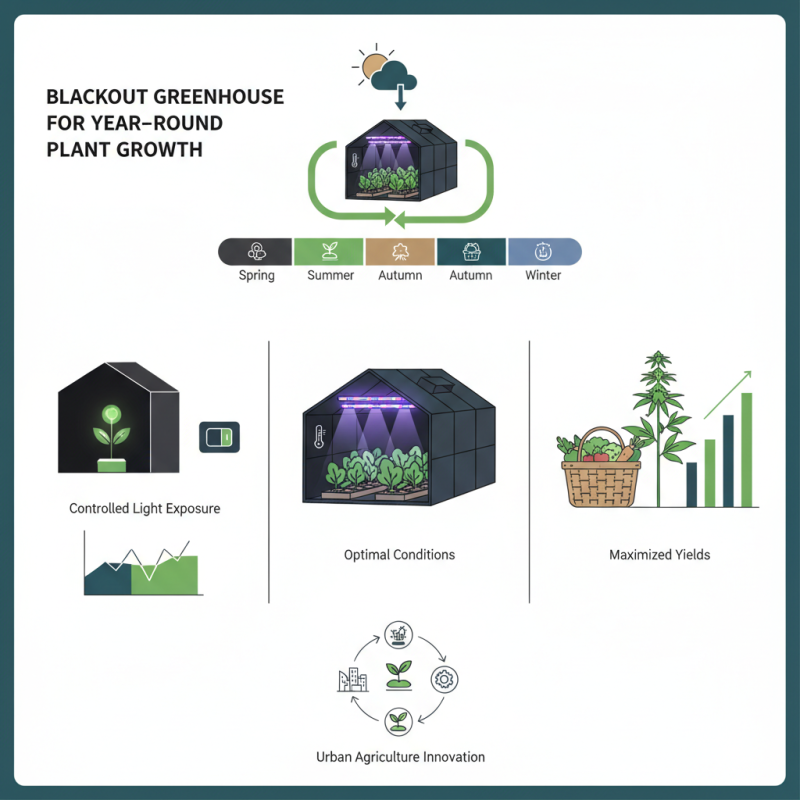
In the world of sustainable gardening, the concept of a "Blackout Greenhouse" is gaining traction among both amateur gardeners and professional horticulturists. According to Dr. Emily Carter, a leading expert in greenhouse technology, "A Blackout Greenhouse enables gardeners to control light exposure, significantly enhancing plant growth and cultivation throughout the year." This innovative approach allows for year-round farming, ensuring that plants receive the optimal conditions regardless of external weather changes.
Building a Blackout Greenhouse involves strategic design choices that minimize light pollution, creating a haven for plants that thrive in controlled environments. By using materials that block light effectively, gardeners can replicate the ideal conditions for vegetative growth even during the darkest months. This method not only supports the health of plants but also maximizes yields, making it an attractive option for serious growers aiming to extend their growing seasons. As urban agriculture continues to rise, the importance of understanding and implementing blackout techniques becomes increasingly essential for those looking to innovate in the agricultural landscape.
Choosing the Right Location for Your Blackout Greenhouse
When it comes to building a blackout greenhouse for year-round plant growth, choosing the right location is crucial to its success. Ideally, the greenhouse should be positioned to maximize sunlight exposure and minimize temperature fluctuations. The U.S. Department of Agriculture (USDA) emphasizes that greenhouses should be oriented with the longer side facing south, which allows for optimal sunlight collection through winter months. Additionally, avoiding shaded areas from surrounding trees or buildings is essential to ensure that plants receive adequate light year-round.
Furthermore, the placement of a blackout greenhouse can significantly influence energy efficiency and growth rates. According to the National Renewable Energy Laboratory, strategic placement can increase passive solar heating by 25% during winter months. This means that in areas with cold winters, locating your greenhouse on a south-facing slope can provide natural warmth and enhance plant health. Additionally, ensure that the site has good drainage to prevent water logging, which can adversely affect root systems. Ultimately, taking the time to assess these environmental factors will pay off in healthier plants and more robust yields.
Essential Materials Needed for Constructing a Blackout Greenhouse
Building a blackout greenhouse is a strategic way to ensure year-round plant growth, allowing you to control light exposure for optimal agricultural production. Essential materials needed for this project include high-quality black shade cloth, robust framing materials such as galvanized steel or treated lumber, and a solid base for stability. According to a report from the American Society for Horticultural Science, implementing blackout conditions has been shown to increase crop yields by as much as 20% compared to traditional greenhouses.
When selecting your materials, it’s crucial to consider the insulation properties of your greenhouse. Double wall polycarbonate panels or insulated metal sheets can help maintain a consistent temperature, which is essential for plant health during varying seasonal conditions. Additionally, ensure that your chosen framing material is durable enough to withstand weather extremes, as many regions experience harsh winters that can compromise standard greenhouse structures.
**Tip:** To maximize efficiency, integrate automated ventilation and heating systems that can adjust to external weather conditions, optimizing the internal environment for plant growth. Regularly monitor humidity levels to prevent mold and ensure your greenhouse remains a suitable habitat for your plants.
Step-by-Step Guide to Building the Structure of the Greenhouse
Building a blackout greenhouse is an innovative solution for year-round plant growth, especially in regions with extreme weather variations. To begin constructing your structure, first, select the right location that receives adequate sunlight while being sheltered from strong winds. According to the American Society of Horticultural Science, greenhouses can increase crop yields by 30-300%, making this investment worthwhile for serious gardeners and commercial growers alike.
Next, the foundation of your blackout greenhouse is crucial. Opt for a sturdy frame using materials like galvanized steel or pressure-treated lumber, which can withstand the weight of the blackout covering. Research indicates that a well-insulated greenhouse can maintain temperatures up to 10°F higher than the outside environment, extending the growing season. After establishing the frame, cover it with an opaque material, ensuring that no light penetrates. This allows you to control light exposure strictly, enhancing plant growth cycles.
Remember to incorporate ventilation for temperature regulation to prevent overheating, as studies show that optimal temperatures are essential for maximizing plant productivity.
Implementing Effective Light Control Systems for Optimal Growth
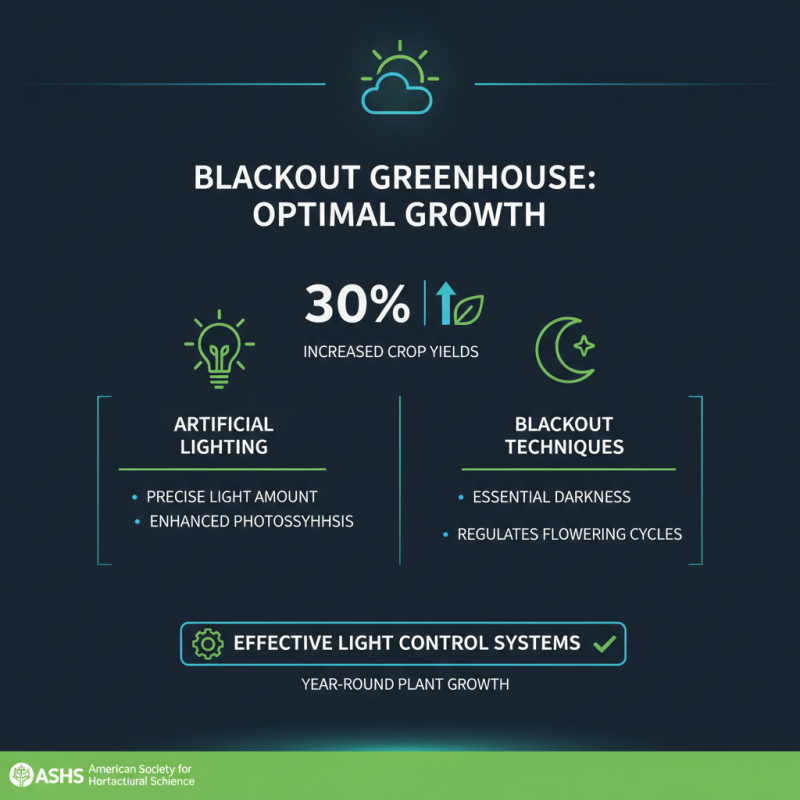
Implementing effective light control systems is crucial for creating a successful blackout greenhouse, which allows for optimal year-round plant growth. According to a report by the American Society for Horticultural Science, controlling light can increase crop yields by up to 30% when using artificial lighting combined with blackout techniques. This ensures that plants receive the precise amount of light they require for photosynthesis, while also allowing for periods of darkness that are essential for flowering cycles.
For optimal light control, consider utilizing blackout curtains or specialized shading systems that can effectively block out sunlight during undesired hours. Additionally, incorporating programmable LED grow lights can help to simulate natural light conditions, adjusting intensity and spectrum according to different plant growth phases. Research from the Journal of Environmental Horticulture suggests that a combination of red and blue LED lights can enhance plant growth while reducing energy costs by up to 50% compared to traditional lighting systems.
Tips: Ensure that your blackout curtains are adequately insulated to prevent light leakage, which could disrupt the growth cycle. Regularly monitor light intensity with a photometer to optimize your plant's exposure. Finally, integrate timers with your lighting system to automate light cycles, mimicking seasonal changes and promoting robust plant health throughout the year.
Maintaining Ideal Climate Conditions for Year-Round Plant Growth
Creating a blackout greenhouse can provide an ideal environment for year-round plant growth, but it's essential to maintain optimal climate conditions within the structure. One of the main objectives of a blackout greenhouse is to regulate light, temperature, and humidity levels, allowing for the cultivation of a variety of plants, including both hardy and tropical varieties such as hibiscus, which thrive regardless of external climate conditions.
**Tips**: To maintain a stable climate inside your greenhouse, consider investing in automated ventilation systems and humidity controllers. This technology can help you monitor and adjust conditions to suit your plants' specific needs. Additionally, incorporating drought-tolerant varieties into your garden design can reduce water usage, making it easier to manage moisture levels in the greenhouse.
Selecting the right plants is vital for successful year-round growth. Focus on low-maintenance perennials that can thrive in various conditions, ensuring a vibrant display throughout the seasons. Plants such as evergreens can provide structure and greenery even in the colder months, while colorful flowering plants like kalanchoe can offer blooms year-round, enhancing the aesthetics of your indoor garden space.
How to Build a Blackout Greenhouse for Year Round Plant Growth
| Dimension |
Ideal Condition |
Measurement |
Notes |
| Temperature |
70°F - 80°F (21°C - 27°C) |
Thermostat Control |
Consistent monitoring is essential. |
| Humidity |
50% - 70% |
Dehumidifier/Humidifier |
Check regularly to avoid mold. |
| Light |
12 - 16 hours/day |
LED Grow Lights |
Adjust light intensity as needed. |
| Soil pH |
6.0 - 6.8 |
pH Testing Kit |
Regular testing recommended. |
| Ventilation |
Good air circulation |
Fans/vents |
Prevents heat buildup and diseases. |