How to Choose the Best Commercial Greenhouse for Your Gardening Needs
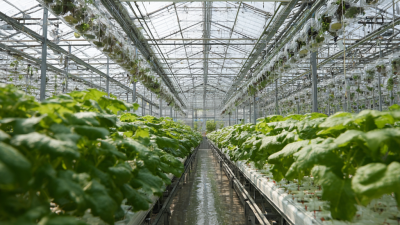
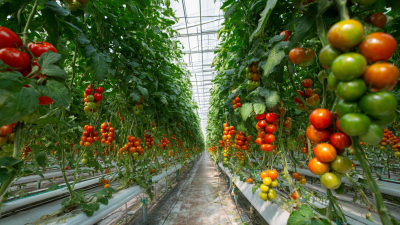
When embarking on the journey of gardening, one of the most important decisions you'll face is selecting the right Commercial Greenhouse to meet your specific needs. The perfect greenhouse not only provides a controlled environment for plants to thrive but also enhances your gardening experience, regardless of whether you are a hobbyist or a serious cultivator. In this guide, we will explore the essential factors to consider when choosing a Commercial Greenhouse, ensuring that your investment supports your gardening ambitions effectively.
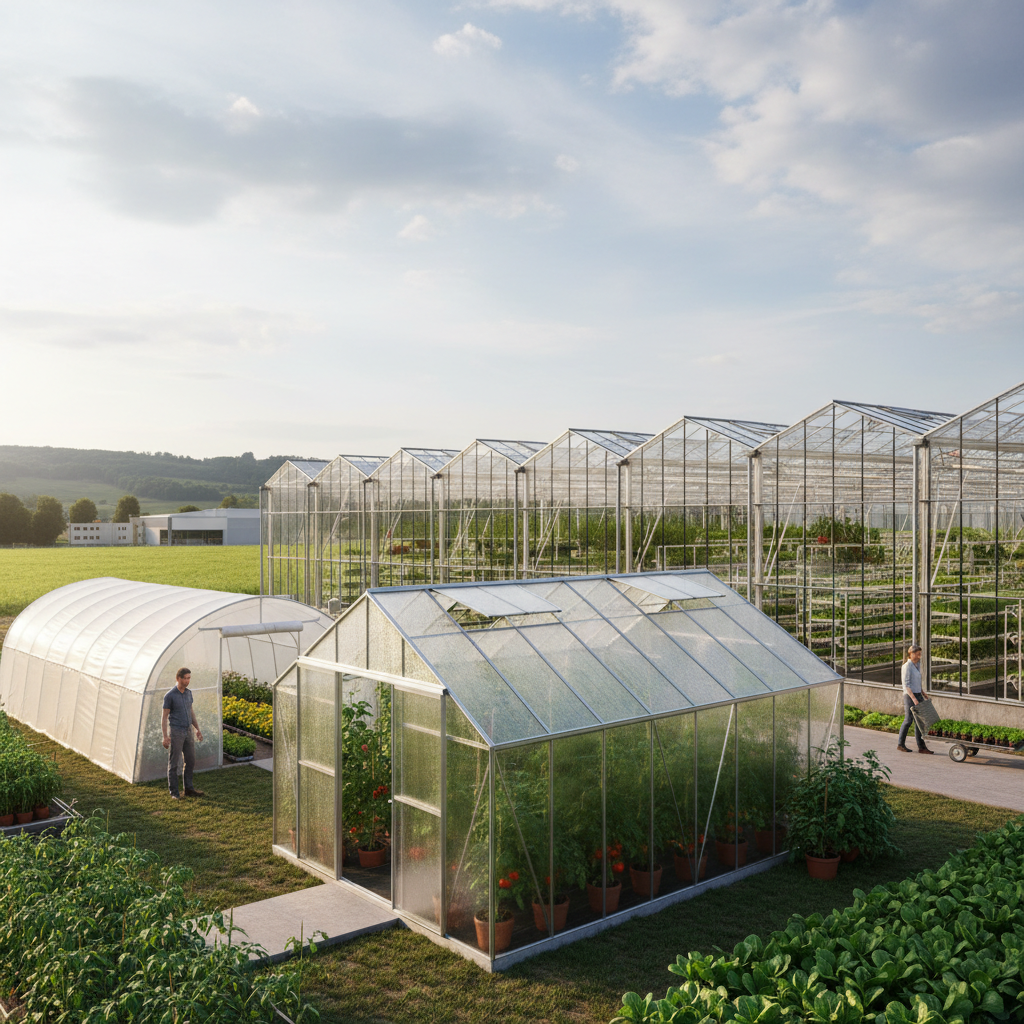
Understanding the various types of Commercial Greenhouses available can be overwhelming, given the array of sizes, materials, and features on the market. From small hobby greenhouses to expansive commercial structures, finding the right fit requires careful consideration of your space, budget, and the types of plants you intend to grow. In the following sections, we will highlight the "Top 5" considerations that can help you make an informed choice, allowing you to maximize your gardening potential and ensure a fruitful harvest year-round.
Key Factors to Consider When Selecting a Commercial Greenhouse for Optimal Yield
When selecting a commercial greenhouse, one of the key factors to consider is the frame material. Common options include aluminum, steel, and wood, each offering different benefits in terms of durability and cost. Aluminum is lightweight and resistant to corrosion, making it ideal for long-term use, while steel provides greater strength and may support larger structures. Wood offers a natural aesthetic but may require more maintenance over time. Assessing your climate conditions will also influence this choice, as specific materials perform better under certain weather elements.
Another critical factor is the type of covering used for the greenhouse. Glass provides excellent light transmission and aesthetic appeal but can be expensive and fragile. Plastic options, such as polycarbonate or polyethylene, are more affordable and can offer better insulation. However, they may not last as long as glass. Additionally, consider ventilation and heating systems, which are essential for maintaining optimal growing conditions. Proper airflow prevents overheating and humidity buildup, while heating options can extend your growing season and improve overall yield.
How to Choose the Best Commercial Greenhouse for Your Gardening Needs
| Factor |
Description |
Optimal Range |
| Size |
The total area available for planting. |
200 - 1000 sq ft |
| Material |
The type of materials used for the frame and covering. |
Aluminum or Polycarbonate |
| Ventilation |
The method and capacity for air exchange. |
Top and side vents |
| Climate Control |
Heating and cooling systems available. |
Thermostat-controlled systems |
| Accessibility |
Ease of access for maintenance and planting. |
Wide doors and paths |
| Cost |
Initial investment and ongoing maintenance expenses. |
$2,000 - $10,000 |
Understanding Different Types of Greenhouses: Which is Most Suitable for Your Farming Style?
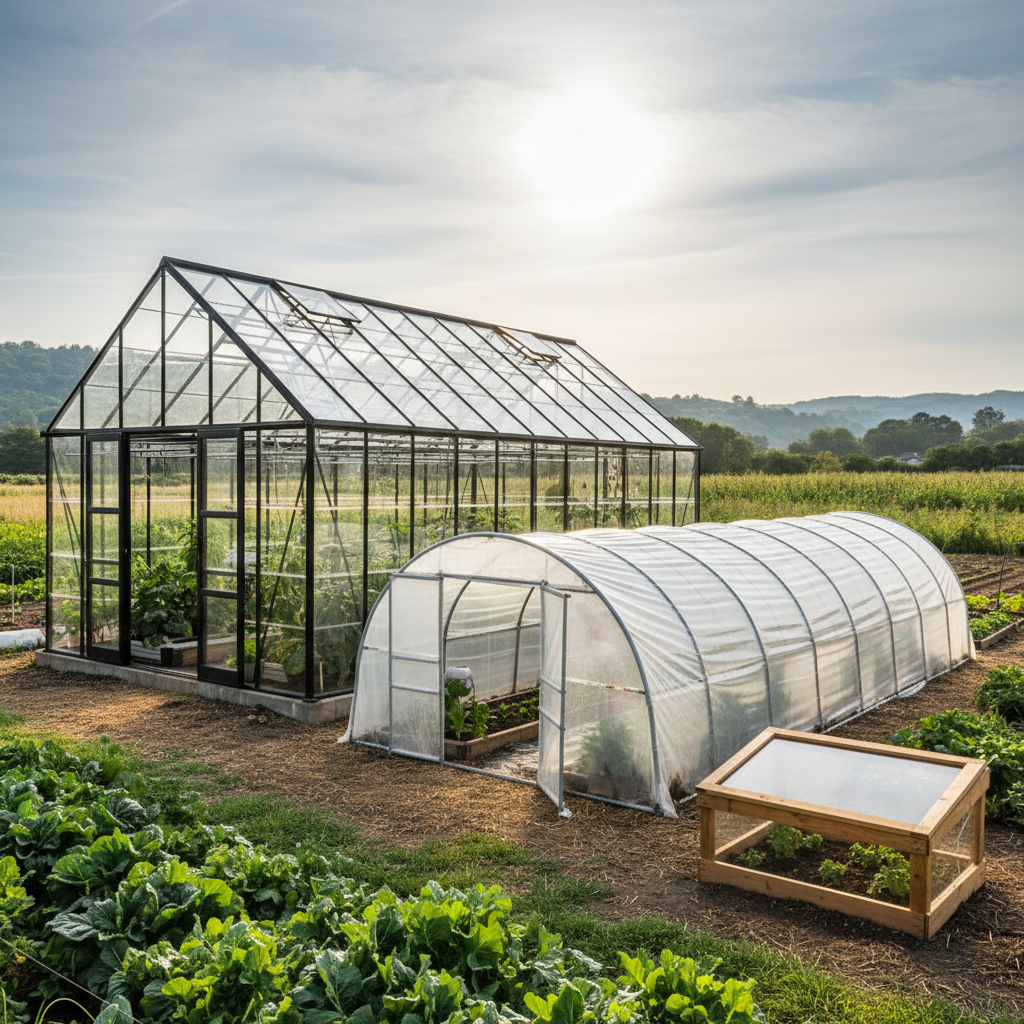
When selecting a greenhouse for your gardening needs, it is essential to understand the various types available and their suitability for different farming styles. The most common types of greenhouses include rigid-frame, hoop, and cold-frame greenhouses. Rigid-frame greenhouses are built with a solid structure, providing durability and stability, making them ideal for regions with extreme weather conditions. Hoop greenhouses, which utilize a series of arches covered with plastic, are more cost-effective and easier to set up, making them perfect for hobby gardeners or small-scale farmers looking for flexibility.
Additionally, cold-frame greenhouses serve as mini-environments that can extend the growing season for various plants. They are often used for starting seedlings or protecting delicate plants from frost. Understanding the benefits and limitations of each greenhouse type can help you make a more informed decision that aligns with your gardening goals. Consider factors such as your local climate, the types of plants you wish to grow, and your available space to determine which greenhouse will best suit your farming style.
Evaluating Size and Space Requirements: Maximizing Efficiency in Commercial Greenhouse Design
When selecting a commercial greenhouse, the evaluation of size and space requirements is paramount for maximizing operational efficiency. According to a report by Grand View Research, the global greenhouse market is expected to reach $55.9 billion by 2027, with significant growth attributed to the increasing demand for fresh produce and the need for sustainable agricultural practices. Hence, the size of your greenhouse should align with your specific objectives, whether for large-scale production or niche market crops.
In designing a greenhouse, it is essential to consider the plant species to be cultivated, as different crops require varying amounts of space. Research suggests that optimizing plant spacing can improve yields by up to 20%. For example, incorporating vertical growing systems can dramatically reduce the foot-print of crops like herbs and leafy greens, allowing for higher density planting. This strategic approach not only maximizes space but also enhances resource management, ensuring efficient use of water and nutrients. Overall, thoughtful planning and design tailored to specific gardening needs can significantly impact productivity and profitability in commercial greenhouse operations.
Commercial Greenhouse Size and Efficiency
Comparative Analysis of Greenhouse Materials: Durability, Cost, and Insulation Performance
When selecting a commercial greenhouse, understanding the materials used is crucial for durability, cost, and insulation performance. Common materials include glass, plastic, and polycarbonate.
Glass greenhouses offer excellent clarity and durability but often come at a higher cost and can be difficult to manage under harsh weather conditions. In contrast, plastic options, such as polyethylene film, provide a more economical choice, but their lifespan is typically shorter, and they may require more frequent replacement.
Polycarbonate is an increasingly popular material that balances cost and insulation performance, offering better energy efficiency than glass and greater durability than traditional plastics. Its twin-wall structure enhances insulation, which is essential for maintaining temperature stability within the greenhouse. When evaluating these materials, it's important to consider not only the initial investment but also long-term maintenance costs and the specific climate conditions where the greenhouse will be located. This comprehensive analysis will enable you to choose a greenhouse that meets your gardening needs effectively.
Cost-Benefit Analysis: Investing in Technology and Automation for Enhanced Greenhouse Productivity
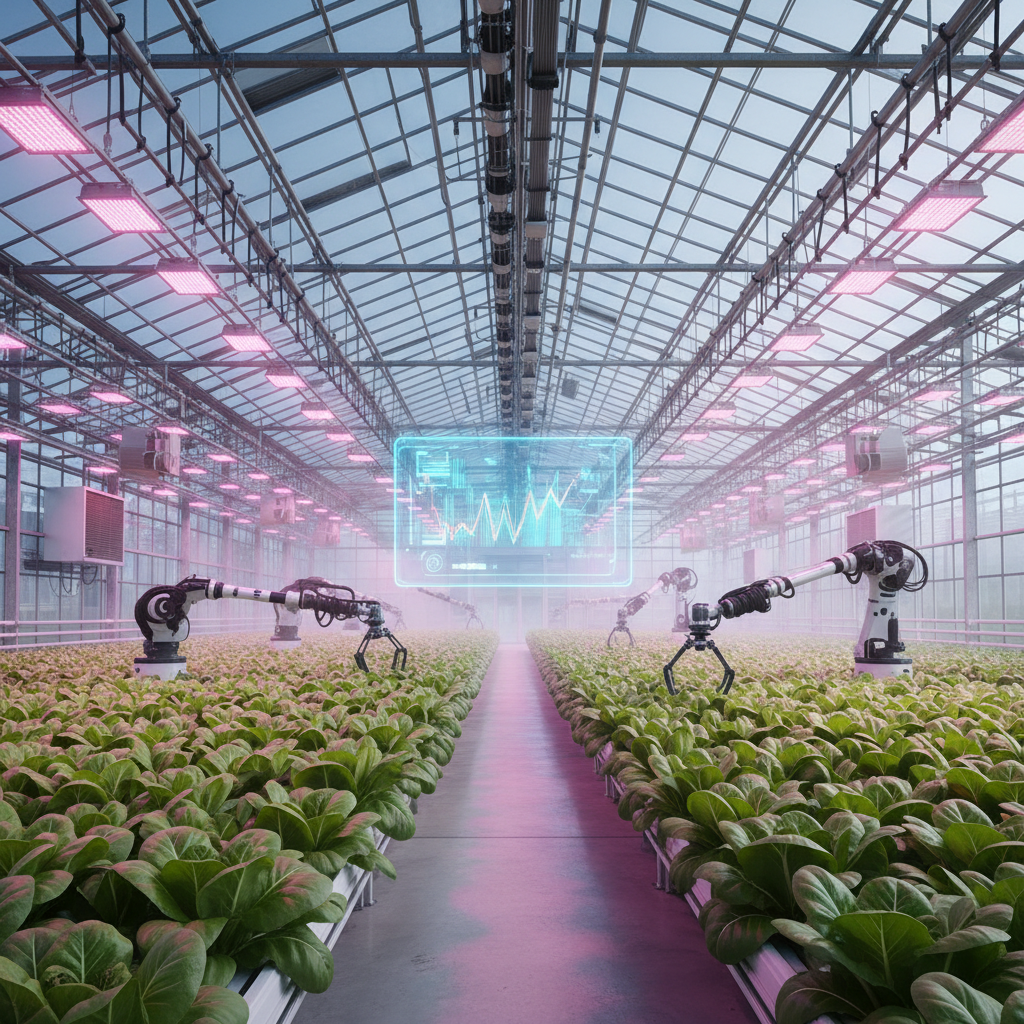
When selecting a commercial greenhouse, understanding the cost-benefit ratio of technology and automation is crucial for maximizing productivity. A recent report from the Greenhouse Grower highlights that incorporating automation can increase yield by up to 30% while reducing labor costs by 20%, making it an essential investment for serious growers. Automated irrigation systems, climate control, and lighting technology are not just add-ons; they represent a shift towards more efficient and sustainable growing practices.
Moreover, advanced technologies such as sensor-based monitoring and data analytics are becoming increasingly important in greenhouse management. According to a study published by the American Society of Horticultural Science, growers who leverage precision agriculture technologies report a 25% increase in resource efficiency, significantly impacting both environmental sustainability and the bottom line. As the industry evolves, the initial cost of investing in these automated systems is outweighed by the long-term benefits—including improved crop quality, reduced operational costs, and enhanced market competitiveness.