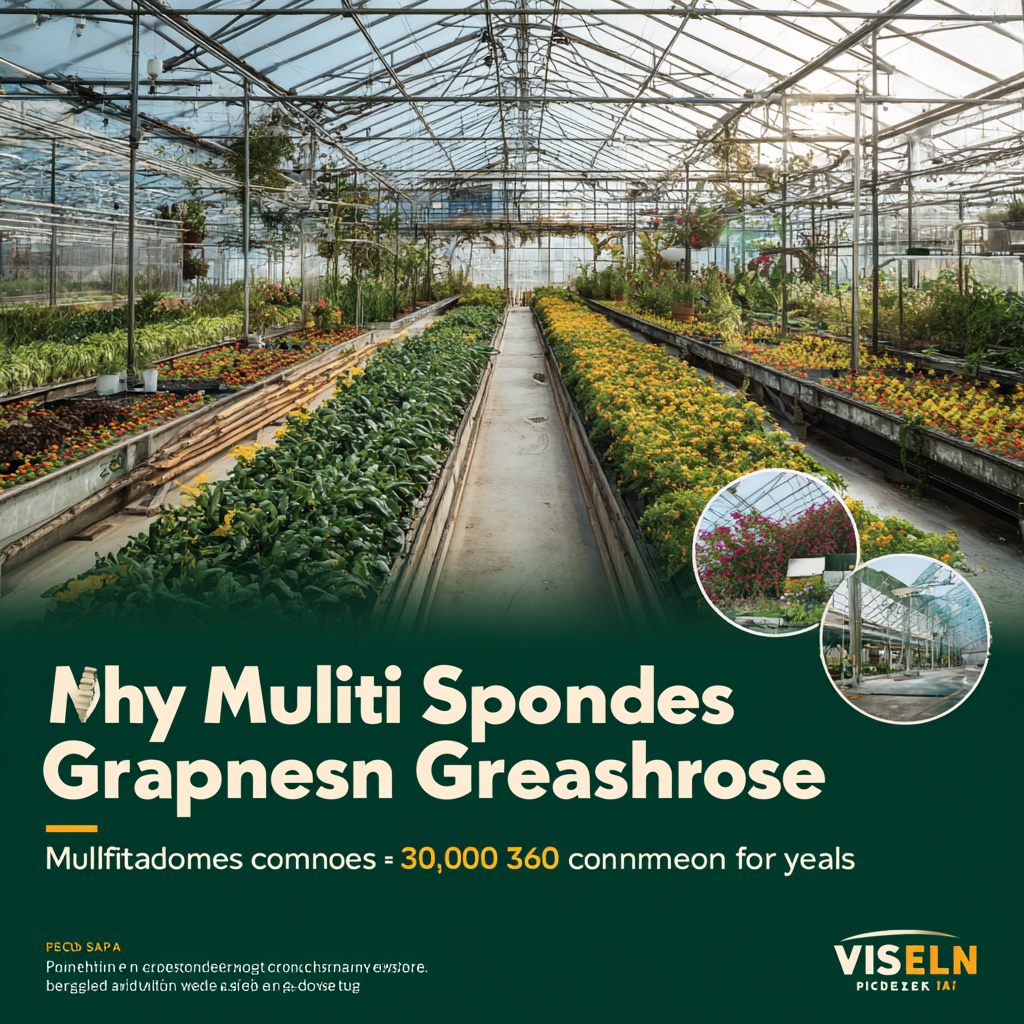
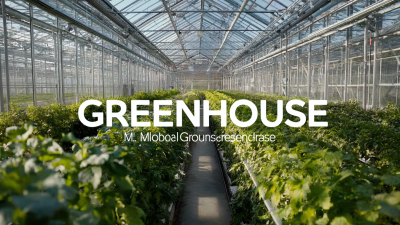
Why Multi-Span Greenhouses Increase Crop Yields by 30%: A Comprehensive Guide
The agricultural industry is constantly seeking innovative solutions to increase crop yields and ensure food security in an ever-growing world population. As the demand for efficient and sustainable farming practices rises, the adoption of advanced greenhouse technologies has become pivotal. Among these innovations, the Multi-Span Greenhouse stands out, demonstrating remarkable efficiency that can boost crop yields by an impressive 30%.
According to a report by the Food and Agriculture Organization (FAO), greenhouse production can increase yields by up to three times compared to conventional open-field farming, especially in regions with challenging climates. Multi-Span Greenhouses, characterized by their elongated design and multiple sections, optimize space, enhance air circulation, and maximize sunlight exposure. Studies show that these structures also support better water management and climate control, contributing to an overall increase in plant health and productivity.
Moreover, as highlighted in the Global Greenhouse Market report, the shift toward Multi-Span Greenhouses is anticipated to grow significantly, driven by advancements in agricultural technology and the pressing need for sustainable food production methods. This comprehensive guide delves into the numerous benefits of Multi-Span Greenhouses, backed by industry statistics and expert insights, to equip growers and stakeholders with the knowledge to enhance their agricultural practices and achieve superior yield outcomes.
Understanding Multi-Span Greenhouses: Key Features and Benefits for Crop Production
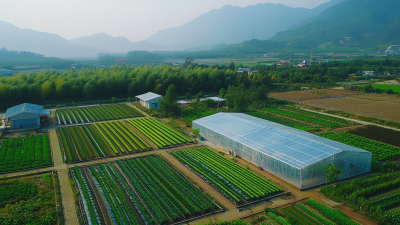
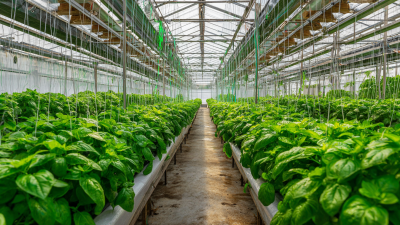
Multi-span greenhouses represent an innovative approach to modern agricultural practices, offering a variety of key features that enhance crop production. Unlike traditional single-span structures, multi-span greenhouses consist of several connected sections, creating a larger growing area. This design allows for improved air circulation, which can help regulate greenhouse temperatures more effectively. Additionally, the shared walls between the spans minimize heat loss, making them more energy-efficient and sustainable in the long term.
The benefits of multi-span greenhouses extend beyond just environmental control; they also facilitate more efficient use of resources. With the ability to install advanced irrigation systems and automated climate control technologies, these greenhouses enable precise management of water and nutrients. This leads to optimal growth conditions for crops, ultimately resulting in increased yields—often by as much as 30%. Furthermore, the larger scale and modular nature of multi-span greenhouses support crop diversification, allowing farmers to simultaneously grow different varieties of plants, thus maximizing productivity and profitability.
Impact of Multi-Span Greenhouses on Crop Yields
The Science Behind Increased Yields: How Multi-Span Designs Optimize Growth Conditions
Multi-span greenhouses have revolutionized modern agriculture by maximizing growth conditions and significantly boosting crop yields. According to a report by the National Institute of Agricultural Botany, studies indicate that multi-span structures can enhance crop productivity by as much as 30%. This impressive increase is largely attributed to their ability to create a controlled microenvironment that optimizes light distribution and temperature regulation. Unlike traditional single-span greenhouses, multi-span designs feature more extensive roof areas, allowing greater light penetration and minimizing shadows created by structural elements.
Furthermore, multi-span greenhouses utilize advanced ventilation systems that promote better air circulation, reducing humidity levels and lowering the risk of fungal diseases. Research published in the Journal of Agricultural Engineering highlights that these greenhouses can achieve an optimal climate for plant growth by effectively channeling outside air, thus maintaining ideal temperatures even during extreme weather conditions. This adaptability not only contributes to accelerated growth rates but also extends the growing season, further enhancing yield potential. As the agricultural sector increasingly embraces these innovative structures, the long-term benefits in food production and sustainability become evident, providing a crucial solution to the growing global demand for increased crop output.
Comparative Analysis: Multi-Span Greenhouses vs. Traditional Greenhouse Structures
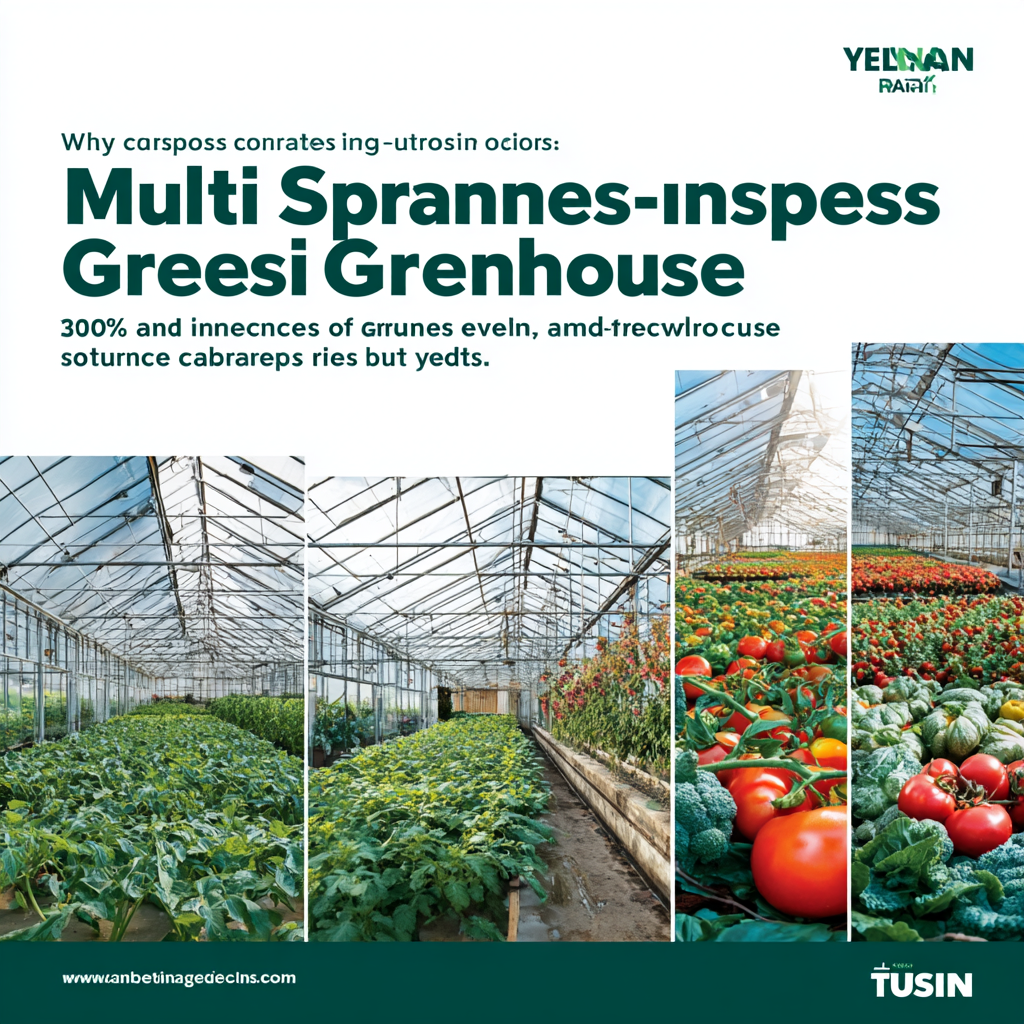
When comparing multi-span greenhouses to traditional greenhouse structures, it's clear that the former offers significant advantages in terms of crop yield and efficiency. Multi-span greenhouses are characterized by a series of connected greenhouse bays, allowing for better airflow, sunlight penetration, and temperature regulation. This design creates a more stable microclimate, promoting healthier plant growth and resulting in an impressive increase in productivity—up to 30% more yields compared to traditional setups.
**Tip:** Consider the orientation of your multi-span greenhouse. Positioning it to maximize sun exposure can further enhance growth and yield. Additionally, proper spacing between spans improves air circulation, reducing the risk of disease.
Furthermore, the structural integrity of multi-span greenhouses allows them to withstand harsher weather conditions, protecting crops from storms and extreme temperatures. Traditional greenhouses, often limited by their single-bay design, are more susceptible to damage, which can lead to interruption in production cycles.
**Tip:** Invest in high-quality materials for your multi-span greenhouse. Durable components not only enhance longevity but can also lower maintenance costs in the long run. Regular checks and maintenance of the structure can prevent costly repairs and keep your greenhouse operating efficiently.
Why Multi-Span Greenhouses Increase Crop Yields by 30%: A Comprehensive Guide
| Feature |
Multi-Span Greenhouses |
Traditional Greenhouses |
| Average Yield Increase |
30% |
10% |
| Temperature Control |
Better |
Moderate |
| Cost of Installation |
Higher |
Lower |
| Maintenance Requirement |
Moderate |
High |
| Crop Variety Flexibility |
High |
Low |
| Water Efficiency |
High |
Moderate |
| Environmental Control |
Excellent |
Good |
Economic Impact: Assessing the Financial Benefits of Multi-Span Greenhouses for Farmers
Multi-span greenhouses offer numerous financial benefits for farmers, significantly impacting their overall economic performance. By maximizing the use of space and resources, these structures enhance crop productivity, resulting in an average yield increase of 30%. This higher yield not only boosts the volume of marketable produce but also allows for diversification in crop types, leading to additional revenue streams and reducing reliance on a single crop.
Furthermore, the controlled environment provided by multi-span greenhouses minimizes the risk of crop failure due to adverse weather conditions. This stability enables farmers to predict their production with greater accuracy, aiding in better financial planning and investment decisions. Additionally, energy efficiency and optimized resource management within these greenhouses lower operational costs, improving profit margins. As a result, farmers can achieve long-term sustainability and resilience, making multi-span greenhouses a financially sound investment in the agricultural sector.
Future Trends: Innovations in Multi-Span Greenhouse Technology and Crop Management
The future of agriculture is increasingly reliant on innovative technologies that enhance productivity and sustainability, particularly in multi-span greenhouse systems. These greenhouses provide a controlled environment that optimally supports plant growth, leading to significant yield increases. Recent advancements in greenhouse technology include automated climate control systems, which utilize sensors to monitor and adjust temperature, humidity, and light levels. These technologies enable growers to create the ideal microclimate for various crops, ensuring optimal growth conditions year-round, potentially leading to yield increases of up to 30%.
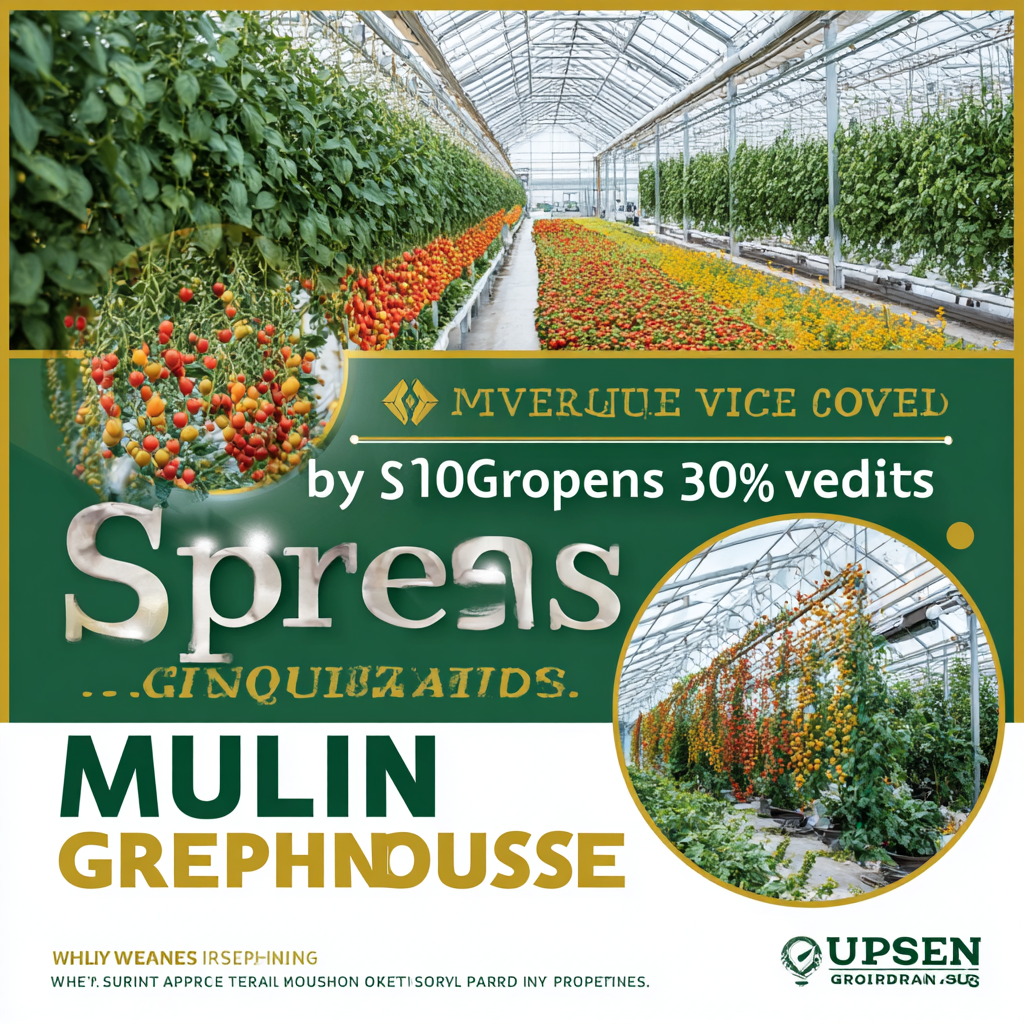
In addition to environmental controls, new cultivation practices are being integrated into multi-span greenhouses. Hydroponics and vertical farming methods are gaining traction, allowing for more efficient use of space and resources. These techniques contribute to maximized crop yields while minimizing water and nutrient waste. Furthermore, the incorporation of artificial intelligence and machine learning in crop management is facilitating data-driven decision-making. Predictive analytics help in identifying the best planting schedules and resource allocation, which enhances overall productivity. As these innovations continue to evolve, multi-span greenhouses are poised to revolutionize crop management, ensuring food security in an ever-growing population.