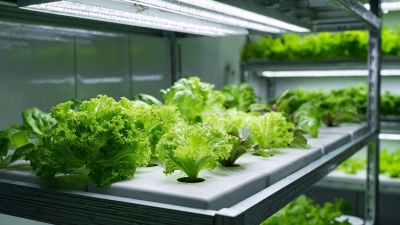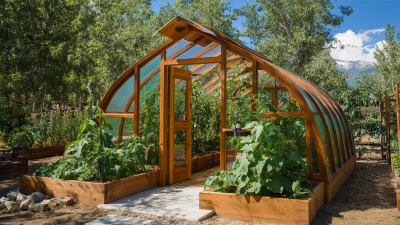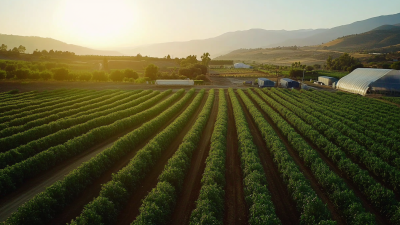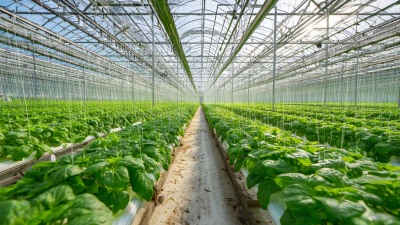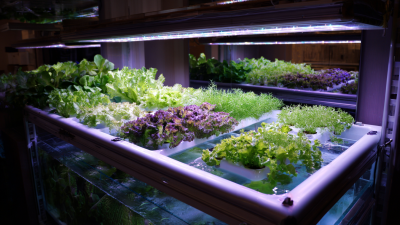
As we move towards 2025, the significance of sustainability in agriculture has never been more apparent, and one technology that stands out is the Aquaponics Greenhouse. This innovative system combines aquaculture and hydroponics, creating a symbiotic environment where fish and plants thrive together. With increasing pressures on traditional farming methods due to climate change and resource scarcity, the Aquaponics Greenhouse presents a promising solution, revolutionizing how we think about food production.
In this dynamic landscape, several trends are emerging that are poised to shape the future of aquaponics. From technological advancements that enhance energy efficiency to new designs that maximize space usability, the Aquaponics Greenhouse is evolving rapidly. These trends not only aim to improve yield and sustainability but also focus on making aquaponics more accessible to a broader audience, including home gardeners and urban farmers. As we explore these top trends for 2025, we discover how they can influence the way we grow food and interact with our environment, paving the way for a greener, more sustainable future.
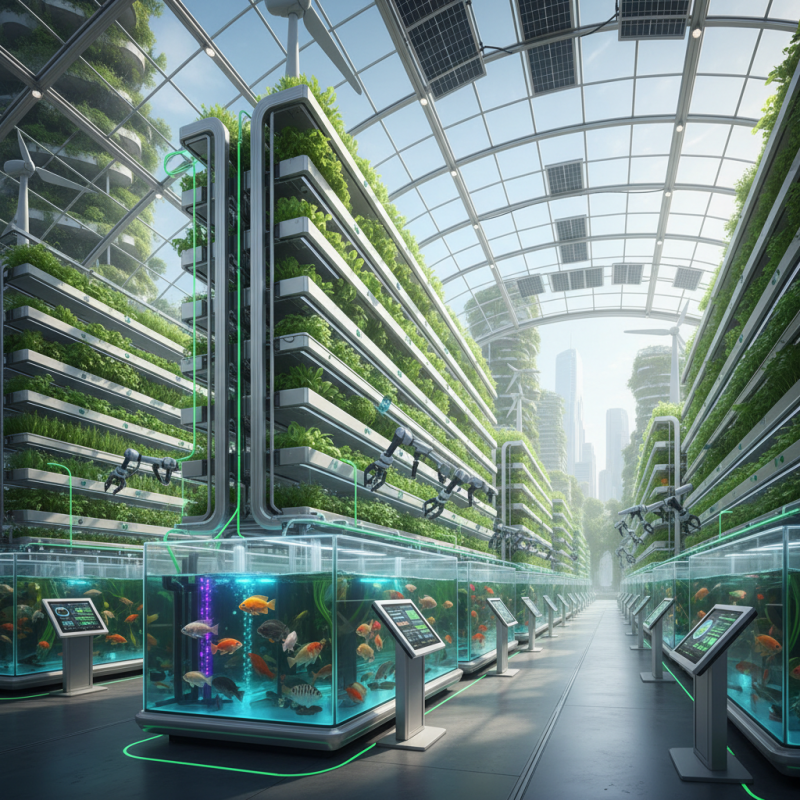
As we look ahead to 2025, the aquaponics greenhouse sector is poised for significant transformation driven by emerging technologies. Innovations in sensing and automation are on the rise, with reports indicating that the global aquaponics market is expected to reach $1.6 billion by 2025, demonstrating a compound annual growth rate (CAGR) of over 15%. Enhanced sensor systems are being developed to monitor water quality, nutrient levels, and plant health in real-time, allowing for more precise interventions that increase productivity and sustainability.
Furthermore, the integration of artificial intelligence (AI) and machine learning is set to revolutionize aquaponics systems. These technologies enable predictive analytics, which can optimize growth conditions and automate essential processes. According to recent studies, utilizing AI in aquaponics can lead to a 20-30% increase in yield while reducing resource consumption, aligning perfectly with global sustainability goals. As we advance, the adoption of vertical farming techniques combined with aquaponics will also gain traction, maximizing production per square foot and ensuring efficient use of urban spaces.
Addressing food security challenges, these innovative systems highlight a promising future for urban agriculture in 2025 and beyond.
The aquaponics industry is evolving rapidly, with sustainable practices at the forefront of this transformation. In 2025, innovative techniques are set to redefine how we approach greenhouse farming. A significant trend is the integration of advanced sensors and automation, which enhances the efficiency of resource use while minimizing waste. These technologies enable real-time monitoring of plant and fish health, ensuring optimal conditions for both and significantly reducing the carbon footprint of aquaponics systems.
In addition to technological advancements, the emphasis on organic and regenerative practices is gaining traction. Farmers are increasingly adopting cover cropping and crop rotation within their aquaponics systems to maintain soil health and enhance biodiversity. This approach not only boosts productivity but also contributes to a healthier ecosystem. Integrating beneficial microorganisms into the system can improve nutrient cycling and plant resilience.
Tips: To leverage these sustainable practices effectively, consider starting with small, manageable projects to test new technologies and methods before scaling up. Engage with local agricultural cooperatives or online forums to share experiences and learn from others who are implementing similar practices. Lastly, regular training and workshops can keep you up-to-date with the latest techniques and innovations in aquaponics, ensuring your greenhouse remains competitive and sustainable.
As aquaponics continues to gain momentum in sustainable agriculture, 2025 is shaping up to be a pivotal year for crop selection within this innovative system. Recent studies indicate that integrating high-demand crops such as leafy greens and herbs can significantly enhance yield. Data from the Aquaponics Association highlights that basil and other culinary herbs saw a growth increase of 30% in aquaponics farms over the last five years, making them a staple choice for production. These crops not only thrive in aquaponics systems but also meet consumer preferences for fresh, locally sourced ingredients.
Moreover, as the focus shifts towards sustainability, farmers are increasingly looking to incorporate niche crops that have both environmental and economic benefits. According to a 2023 report from the International Journal of Aquaponics, growing medicinal plants like arugula and edible flowers is on the rise, with a recorded 25% increase in cultivation among aquaponics farmers. The combination of these trends points towards a more diverse and profitable crop selection strategy in 2025, which will not only support market demands but also contribute to healthier ecosystems. By embracing these developments, aquaponics practitioners can capitalize on emerging opportunities while promoting sustainable food production practices.
| Crop Type | Yield Potential (kg/m²) | Growth Cycle (Days) | Nutritional Value (per 100g) | Market Demand (Rating 1-10) |
|---|---|---|---|---|
| Lettuce | 5.5 | 30 | 15 Calories | 9 |
| Tomato | 6.5 | 70 | 18 Calories | 10 |
| Basil | 4.0 | 45 | 23 Calories | 7 |
| Cucumber | 4.5 | 50 | 16 Calories | 8 |
| Spinach | 5.0 | 40 | 23 Calories | 9 |
The integration of smart sensors and automation is revolutionizing aquaponics, making it more efficient and sustainable than ever before. These advanced technologies allow for real-time monitoring of water quality, nutrient levels, and environmental conditions, enabling growers to make data-driven decisions that enhance plant and fish health. By automating tasks such as feeding, water cycling, and lighting, aquaponics systems can operate with minimal human intervention, significantly reducing labor costs and time.
Tips for implementing smart sensors in your aquaponics system include starting small with a few key parameters, such as pH and temperature, before expanding to additional metrics like dissolved oxygen and ammonia levels. This gradual approach allows you to familiarize yourself with the technology and adapt your system according to the data collected. Additionally, consider using open-source platforms that can be customized to fit your specific needs, making it easier to troubleshoot and scale your system.
As automation technology progresses, integrating robotic systems for tasks like harvesting will become increasingly common in aquaponics. These innovations not only save labor but also improve consistency in production. To stay ahead in this evolving field, keep abreast of the latest sensor technologies and automation trends, and be open to experimenting with new tools that can optimize your aquaponic practices.
The rising consumer demand for sustainable and locally sourced food is significantly shaping the future of aquaponics greenhouses. As more individuals become aware of the environmental impact of traditional farming practices, they are increasingly seeking alternatives that promote eco-friendliness and resource efficiency. This shift in consumer mindset is driving the adoption of aquaponics, which utilizes fish and plant symbiosis to create a self-sustaining ecosystem that reduces water usage and eliminates the need for harmful pesticides.
As a result, aquaponics greenhouse operators are responding to these consumer preferences by innovating their systems to enhance productivity and sustainability. Advances in technology, such as smart monitoring systems and hydroponic techniques, are making it easier for growers to optimize plant health and increase yields. Furthermore, the focus on transparency in food production is prompting more aquaponics businesses to incorporate educational components into their operations, allowing consumers to engage with the growing process and understand the benefits of this sustainable method. Ultimately, the intersection of consumer demand and aquaponics innovation will set the stage for transformative trends in greenhouse agriculture over the coming years.