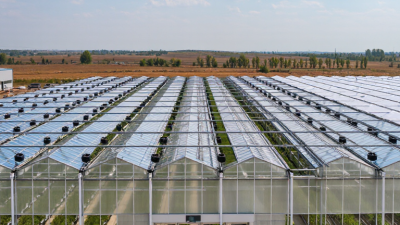
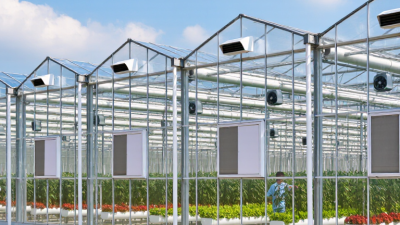
2026 Best Gothic Greenhouse for Global Buyers?
For global buyers, choosing the best Gothic Greenhouse in 2026 means looking beyond attractive arches and catalog prices. A reliable structure must perform under local weather, labor conditions, and crop requirements. Wind exposure matters. Snow load matters. So does ventilation.
The Gothic design offers a steeper roof profile than many traditional tunnel houses. This helps rain slide away and can reduce snow accumulation. Its curved frame also supports efficient air movement and better interior height. However, shape alone cannot guarantee performance. A greenhouse with weak connections, poor film tension, or undersized vents may fail in demanding climates. No model is perfect.
Dr. John W. Bartok Jr., a respected greenhouse engineering specialist, has emphasized, “A greenhouse is only as good as its management.” That principle remains important for international buyers. Good equipment needs skilled operation, regular inspection, and realistic crop planning. A buyer in Canada may prioritize snow resistance and heating efficiency. A grower in Southeast Asia may need stronger ventilation, insect screening, and corrosion protection.
This guide examines leading Gothic Greenhouse options for 2026. It considers frame strength, covering materials, climate adaptation, automation, maintenance, shipping, and after-sales support. Real-world details matter, including door width, gutter height, spare-part access, and installation guidance. Some comparisons remain difficult because suppliers publish different testing methods. That gap deserves attention.
The best purchase is not always the largest or most automated. It is the structure that fits the buyer’s climate, budget, skills, and long-term production goals. Careful evaluation prevents expensive surprises.
What Defines a Gothic Greenhouse in 2026?
What Defines a Gothic Greenhouse in 2026?
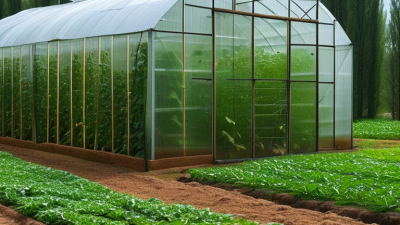
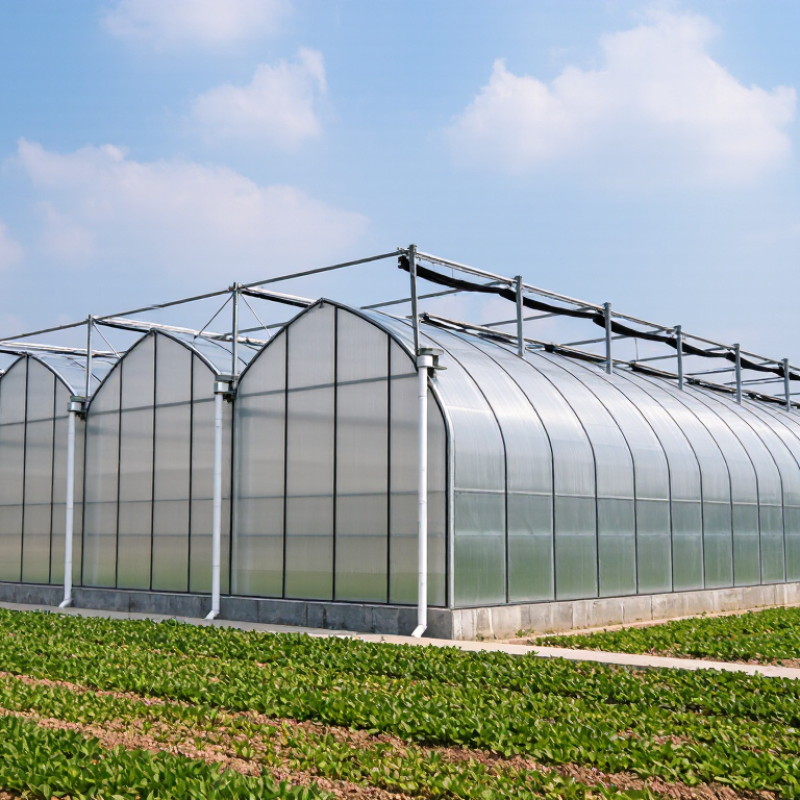
A Gothic greenhouse has a peaked roof formed by curved rafters, rather than a semicircular hoop. The taller ridge creates useful headroom for vines, hanging baskets, and taller crops. Its sloping profile can help rain and snow move off the roof, but it does not guarantee safe performance in every climate. Frame spacing, covering material, anchoring, and locally appropriate load calculations matter just as much.
Details matter.
For global buyers, “Gothic” should describe the shape, not serve as a quality certificate. Check the stated wind and snow-load ratings, corrosion protection, ventilation openings, and replacement-panel availability. Ask for structural documentation suited to the greenhouse’s actual site. A tall, sharp roof may shed snow well, yet poorly designed joints can still fail under heavy loads.
Not automatically.
The market context is substantial: USDA’s 2022 Census of Agriculture reported $18.3 billion in U.S. horticultural specialty-crop sales, including greenhouse and nursery production. That figure signals the sector’s scale, not the superiority of any roof style. Compare usable growing height, drainage, and operating needs against the site’s weather and crops.
The label can mislead.
A greenhouse’s real value shows in its documented performance and practical fit.
Key Features and Performance Standards for Global Buyers
A gothic greenhouse earns its value through light, drainage, and structural performance—not its pointed roof alone. The University of Kentucky Cooperative Extension’s Greenhouse Design and Construction guide lists approximate light transmission at 90% for glass and around 80% for common double-layer plastics. That difference can matter on cloudy winter days. Ask suppliers for measured light transmission, UV-aging results, and written warranty conditions, rather than relying on clear-panel appearance.
For global buyers, request structural calculations for the intended site’s wind, snow, and rain loads. The EN 13031-1 greenhouse standard addresses structural design and serviceability, but local engineering review still matters. Check frame coatings, fastener corrosion resistance, gutter capacity, and door clearances. A gothic profile can help snow slide, yet wet snow may still collect near gutters. This is easy to overlook.
Tips: Compare certified load calculations, not roof shape alone. Ask for panel test data and replacement lead times. Keep a small doubt; supplier figures need independent verification.
How to Evaluate Structure, Glazing, Ventilation, and Climate Control
A Gothic greenhouse’s pointed roof can shed rain and some snow, but the shape alone does not prove structural strength.
Ask for calculations covering local wind, snow, and equipment loads, plus details for anchors, frames, and corrosion protection. Compare the design with site-specific requirements, not a generic “all-weather” claim.
Small details matter: poorly sealed ridge joints can invite leaks.
Glazing affects light, heat loss, and maintenance.
University extension guidance commonly lists about 80–90% light transmission for common greenhouse coverings, depending on material and construction. Treat that range as a starting point; coatings, dirt, condensation, and aging reduce actual light. Request tested transmission and insulation data for the exact panel assembly, then check whether replacement panels are available locally.
Ventilation and climate control should match the crop and regional weather.
University of Massachusetts Extension guidance uses roughly 8–10 cubic feet per minute of ventilation capacity per square foot as a hot-weather planning range. That is not a guarantee: screens, wind, and fan placement change performance. Ask for fan curves, inlet dimensions, and a written control sequence. Can sensors respond to both temperature and humidity? Test the system on a warm afternoon.
A cool corner may still hide poor airflow.
Regional Requirements, Certifications, Shipping, and Installation
2026 Best Gothic Greenhouse for Global Buyers?
Regional conditions should shape the structure before price enters the discussion. In snow regions, buyers need verified roof-load calculations, corrosion protection, and safe gutter drainage. EN 13031-1 supports greenhouse structural design in Europe, while ASCE/SEI 7 is commonly referenced for American wind, snow, and seismic loads. Tropical projects need larger vents, insect screening, and stronger anchoring. Humidity exposes weak coatings quickly.
Certification is not decoration. It is evidence. Ask for material traceability, welding records, load calculations, and factory quality procedures. ISO 9001 certification can support process control, but it does not replace local structural approval. A mistake here is easy to make. Some suppliers present general certificates that do not cover the complete greenhouse system. Local engineers should review the design.
Shipping also needs practical planning. UNCTAD’s Review of Maritime Transport 2023 confirms that over 80% of global merchandise trade moves by sea. Therefore, buyers should confirm container loading plans, corrosion protection, spare parts, and customs documents before production. The World Bank’s 2023 Logistics Performance Index shows major differences in border efficiency between countries. Installation may take longer in remote areas. Allow working space for lifting equipment, drainage preparation, and foundation correction. Installation manuals are useful, but they cannot replace trained supervision. A low-cost quotation can become expensive after one missing component.
2026 Best Gothic Greenhouse for Global Buyers?
Shipping Container Dimensions for Greenhouse Logistics
What this means: Standard 40-foot containers offer twice the nominal length of 20-foot containers, while both share the same standard external width and height. These ISO 668 dimensions are useful for early shipping plans; confirm door openings, usable internal space, cargo limits, and route restrictions with the carrier. Greenhouse structural requirements and certifications depend on the destination country and site conditions, so verify local building codes and product conformity before ordering.
Source: ISO 668:2020, Series 1 freight containers — Classification, dimensions and ratings. Dimensions shown are nominal external dimensions in metres.
How to Compare Gothic Greenhouse Models and Choose the Best Option
2026 Best Gothic Greenhouse for Global Buyers?
How to Compare Gothic Greenhouse Models and Choose the Best Option
A Gothic greenhouse should match your climate, crop, and operating habits. The pointed roof sheds snow better than many rounded designs. It also improves rain drainage and headroom for tall crops. Yet shape alone does not guarantee performance. Check the steel thickness, hot-dip galvanizing, roof vents, and connection details. Thin frames may look attractive but can flex during strong winds.
Compare models through real specifications, not catalogue photos. Ask for wind and snow-load ratings for your installation area. Review the covering options, including diffused film, polycarbonate, and glass. Diffused material can reduce harsh shadows, while glass offers durability but increases transport weight. Ventilation deserves close attention. Large roof vents, insect screens, and reliable motors help manage heat and humidity. Small vents often disappoint in warm regions.
I have seen buyers focus on the frame and overlook the foundation plan. That mistake creates costly delays. Check anchor spacing, drainage channels, doors, and local assembly skills before ordering. A corrosion-resistant frame is valuable near coastal air, but fasteners need protection too. Also compare replacement-part access, warranty terms, packaging, and delivery conditions. A lower purchase price may hide higher labor costs. My own comparison process is not perfect; projected energy savings can be wrong when weather, labor, or crop prices change. Build a clear cost model, then test it against a difficult season.