Top Benefits of Using Agricultural Greenhouses for Sustainable Farming
The agricultural industry is continuously seeking innovative solutions to address the pressing challenges of sustainable farming. One of the most effective tools in this pursuit is the Agricultural Greenhouse. Dr. Sarah Thompson, an expert in sustainable agriculture, emphasizes the importance of these structures, stating, "Agricultural greenhouses not only enhance productivity but also play a crucial role in resource conservation and environmental protection."
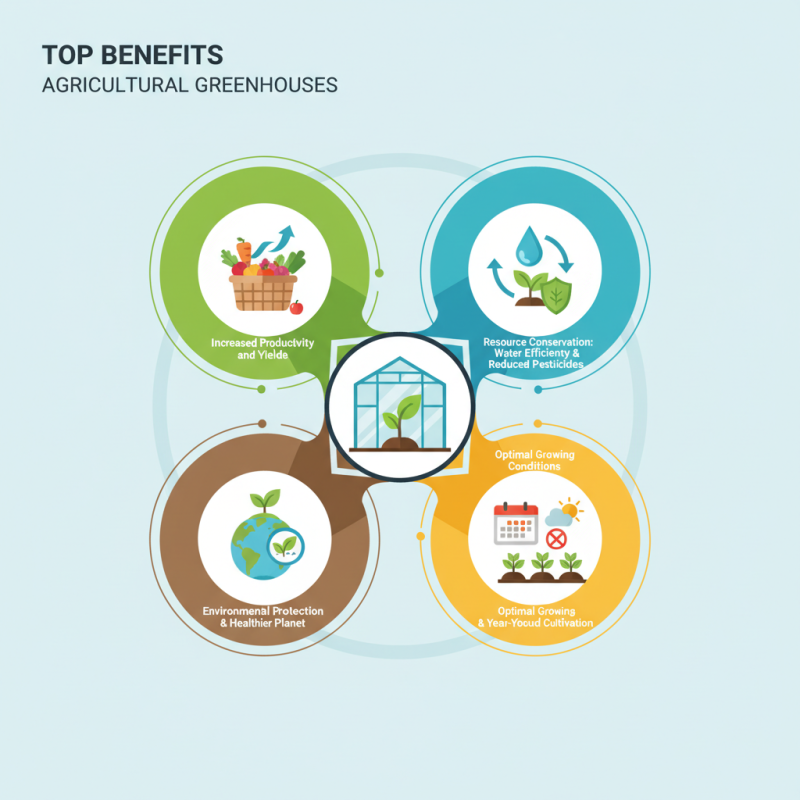
In recent years, the advantages of utilizing Agricultural Greenhouses have become increasingly apparent, offering solutions that can significantly improve crop yields while minimizing environmental impact. These controlled environments provide optimal growing conditions, allowing farmers to cultivate a wide variety of crops regardless of external weather conditions. Furthermore, greenhouses facilitate water efficiency and reduce the need for harmful pesticides, making them a cornerstone for sustainable agricultural practices.
As we delve into the multitude of benefits provided by Agricultural Greenhouses, it becomes clear that their role in promoting environmentally friendly farming practices is indispensable. By harnessing the power of technology and innovation, these structures not only support food security but also foster a healthier planet for future generations.
Advantages of Controlled Environment in Agricultural Greenhouses
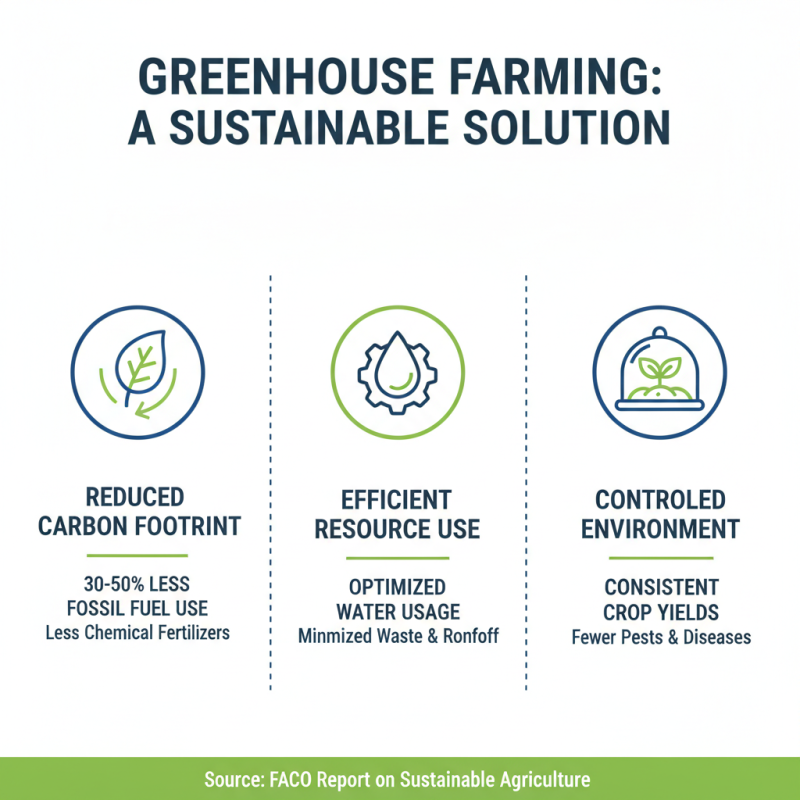
Agricultural greenhouses offer a controlled environment that significantly enhances the effectiveness of sustainable farming practices. By regulating temperature, humidity, and light exposure, farmers can create optimal conditions for crops to thrive year-round, regardless of external weather conditions. This stability promotes healthier plants, reduces the risk of pests and diseases, and allows for more precise farming practices. As a result, farmers can achieve higher yields with fewer resources, minimizing waste and conserving water.
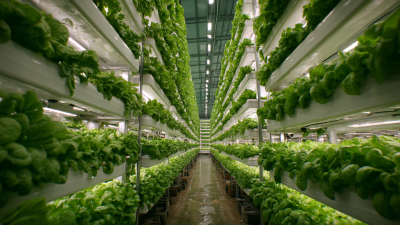
In addition to crop health, the controlled environment of greenhouses allows for the implementation of innovative farming techniques. Techniques such as hydroponics and vertical farming can be more effectively utilized within greenhouse settings, leading to more efficient space use and higher productivity per square foot. Furthermore, by controlling the internal climate, farmers can significantly reduce their reliance on chemical pesticides and fertilizers, promoting a more sustainable approach to agriculture. This not only benefits the environment but also caters to the growing consumer demand for organic and sustainably grown produce.
Enhancing Crop Yields through Greenhouse Farming Techniques
Greenhouse farming techniques offer a range of advantages that significantly enhance crop yields, making them an essential component of sustainable agriculture. According to the Food and Agriculture Organization (FAO), controlled environment agriculture, which includes greenhouses, can increase crop yields by 20% to 50% compared to traditional field farming methods. This increase is largely attributed to the ability to optimize growing conditions such as temperature, humidity, and light. By utilizing hydroponics or aeroponics within greenhouse settings, farmers can further improve yields as these techniques provide direct access to the nutrients plants need as well as reducing water use by up to 90%, showcasing their efficiency.
Moreover, greenhouses allow for year-round cultivation, enabling farmers to produce crops out of season. This not only leads to higher productivity but also helps meet consumer demand consistently. The National Renewable Energy Laboratory reports that greenhouses can produce 10 to 12 harvests per year depending on the crop, which exponentially increases the volume of produce available to markets. With the global population expected to reach 9.7 billion by 2050, this year-round production is increasingly critical in addressing food security challenges while minimizing the carbon footprint associated with transportation and long-distance farming. By leveraging advanced greenhouse technologies, sustainable farming practices can significantly contribute to combating the pressing issues of food scarcity and climate change.
Water Conservation Strategies in Sustainable Greenhouse Agriculture
The use of agricultural greenhouses has gained traction as a vital component of sustainable farming, particularly in the context of water conservation. Traditional farming methods often lead to water wastage due to evaporation and runoff, whereas greenhouse environments can significantly reduce these losses. According to a report by the Food and Agriculture Organization (FAO), greenhouse cultivation can decrease water usage by up to 70% compared to open-field farming. This is primarily achieved through closed-loop irrigation systems and careful management of humidity levels inside the greenhouse.
Moreover, advanced irrigation techniques such as drip irrigation and rainwater harvesting are increasingly being adopted in greenhouse agriculture. Drip irrigation, which delivers water directly to the plant roots, minimizes evaporation and ensures that crops receive the precise amount of moisture needed for optimal growth. The International Society for Horticultural Science (ISHS) notes that implementing such systems can save over 50% of water, thus enhancing both crop yield and sustainability. Additionally, using climate control technologies helps maintain ideal growing conditions, further promoting efficient water use. As the demand for food grows alongside water scarcity, these innovative strategies in greenhouse agriculture stand out as crucial solutions for sustainable farming practices.
Water Conservation Strategies in Sustainable Greenhouse Agriculture
Pest and Disease Management Benefits of Greenhouses
Greenhouses play a crucial role in sustainable farming, particularly in managing pests and diseases. By creating a controlled environment, greenhouses significantly reduce the exposure of crops to pests that are prevalent in open fields. Research indicates that greenhouse structures can lower pest pressure by up to 70%, leading to healthier crops and less reliance on chemical pesticides. According to the American Society of Agronomy, integrated pest management strategies combined with greenhouse cultivation are associated with a 50% reduction in pesticide use, thereby promoting environmentally friendly farming practices.
Moreover, the confined space of greenhouses facilitates effective monitoring and rapid response to disease outbreaks. A study published in the Journal of Agricultural Science highlights that diseases in greenhouse crops can be detected sooner than in field crops, enabling farmers to implement targeted treatments. This proactive management not only minimizes crop losses but also promotes the health of surrounding ecosystems. Furthermore, an analysis from the International Society for Horticultural Science suggests that greenhouse production systems can enhance biodiversity by providing habitats for beneficial insects that act as natural pest controls. By fostering a balanced ecosystem within the greenhouse, farmers can achieve sustainable production while maintaining optimal crop health and yield.
Top Benefits of Using Agricultural Greenhouses for Sustainable Farming - Pest and Disease Management Benefits of Greenhouses
| Benefit |
Description |
Impact on Sustainability |
Example of Pest/Disease Management |
| Controlled Environment |
Greenhouses provide a stable environment, minimizing fluctuations in temperature and humidity, which helps control pests and diseases. |
Reduces the need for chemical pesticides, promoting organic farming practices. |
Example: Maintaining higher humidity levels can deter spider mites. |
| Biological Controls |
The enclosed space allows for the use of beneficial insects to control pest populations without chemicals. |
Enhances biodiversity and ecological balance within the farming system. |
Example: Releasing ladybugs to combat aphid populations. |
| Pest Monitoring |
Greenhouses facilitate easier monitoring of pest and disease levels, allowing for timely intervention. |
Promotes early detection and reduces crop losses. |
Example: Use of sticky traps to monitor whitefly populations. |
| Isolation of Crops |
Greenhouses prevent the spread of pests and diseases from wild plants or neighboring farms. |
Keeps crops healthier and reduces the need for heavy interventions. |
Example: Prevents bacterial wilt by isolating affected plants. |
Reducing Carbon Footprint with Greenhouse Agricultural Practices
Agricultural greenhouses offer a multitude of benefits that align closely with sustainable farming practices, particularly in reducing the carbon footprint associated with food production. According to a report from the Food and Agriculture Organization (FAO), greenhouse cultivation can lead to a significant decrease in fossil fuel use by as much as 30-50% compared to traditional farming methods. This is primarily because greenhouses create controlled environments that reduce the need for chemical fertilizers and allow for more efficient water usage, thus minimizing waste and emissions.
Additionally, a study published by the American Society of Agricultural and Biological Engineers reveals that greenhouses can enhance crop yield per square foot by up to three times that of open field production. This increase not only means more food can be grown with less land, but it also allows for localized production, reducing the distance food must travel from farm to table. By shortening supply chains, greenhouse agriculture significantly lowers transportation emissions, contributing to an overall reduction in greenhouse gas emissions. The combination of increased efficiency and reduced waste showcases how greenhouse practices can play a pivotal role in achieving sustainable farming goals while addressing climate change.