Top 10 Benefits of Industrial Greenhouses for Sustainable Agriculture
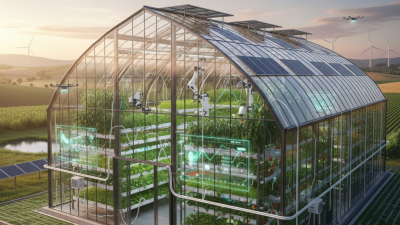
Industrial greenhouses are transforming sustainable agriculture. These structures maximize crop yields while minimizing environmental impact. According to Dr. Emily Green, a renowned expert in agricultural technology, "Industrial greenhouses can provide the perfect environment for optimal plant growth." Her insights highlight the emerging benefits of these facilities.
In recent years, the demand for sustainable farming solutions has skyrocketed. Industrial greenhouses fit this need through controlled climate conditions. They enable the cultivation of a variety of crops year-round, regardless of external weather. This ability not only increases food production but also reduces reliance on harmful pesticides and fertilizers.
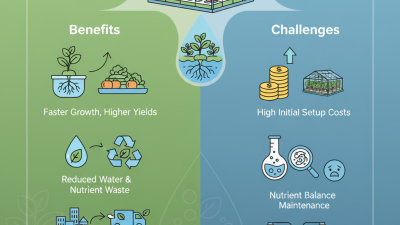
However, the journey toward adopting industrial greenhouses isn’t without challenges. The initial investment can be substantial. Farmers may be hesitant to embrace new technology without clear data on long-term benefits. Balancing cost with environmental and economic sustainability requires thoughtful planning. As we explore the top benefits of industrial greenhouses, it is essential to consider both their potential and our collective responsibility.
Benefits of Industrial Greenhouses in Reducing Water Usage by 50%
Industrial greenhouses play a significant role in sustainable agriculture, particularly in optimizing water use. One striking benefit is their ability to reduce water consumption by up to 50%. This drastic decrease stems from the controlled environment they provide, minimizing evaporation and runoff. These structures employ advanced irrigation systems that deliver water directly to plant roots, allowing precise control over moisture levels.
In addition to conserving water, industrial greenhouses help in managing nutrient use efficiently. By recycling water, these systems ensure that less is wasted. With a focus on maintaining a healthy ecosystem, many greenhouses utilize rainwater harvesting. However, challenges remain, such as the initial cost of installation and the need for ongoing maintenance. Measuring the long-term benefits against these factors is crucial for farmers.
The reliance on technology raises awareness about water availability issues globally. It serves as a reminder that while greenhouses can significantly reduce water usage, understanding local water resources is essential. Balancing these practices with community needs can be complex. Thus, sustainable practices in industrial greenhouses must continually evolve to address challenges emerging in agricultural systems.
Enhancing Crop Yields: Industrial Greenhouses Achieving 30% Higher Productivity
Industrial greenhouses are revolutionizing sustainable agriculture by significantly enhancing crop yields. Reports indicate that these structures can achieve productivity increases of up to 30%. This improvement is largely due to controlled environment agriculture, which optimizes temperature, humidity, and light. By tailoring these factors, plants grow faster and healthier.
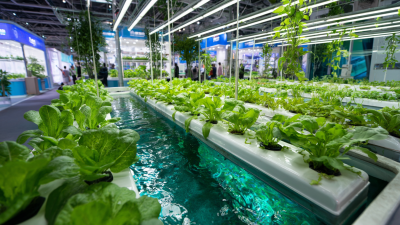
Advanced technologies in industrial greenhouses also contribute to higher yields. Hydroponics and aquaponics are popular methods. These systems reduce water usage significantly compared to traditional farming. In fact, hydroponics can use up to 90% less water. Moreover, pest and disease management becomes more straightforward in these enclosed spaces, leading to fewer crop losses.
However, there are challenges to consider. The initial investment for setting up industrial greenhouses can be high. Maintaining the right conditions requires continual monitoring and specific expertise. The reliance on technology is another factor. Systems can fail, resulting in potential crop loss. Farmers need to weigh these factors against the benefits when transitioning to this farming approach.
Energy Efficiency: How Greenhouses Cut Energy Costs by up to 40%
Industrial greenhouses are transforming sustainable agriculture. They enhance energy efficiency significantly, cutting energy costs by up to 40%. This is a major advantage for growers facing rising energy prices. According to a report by the U.S. Department of Agriculture, greenhouses help maximize resource use while minimizing waste.
In a typical greenhouse, controlled environments enable year-round production. By utilizing technologies like thermal screens and energy-efficient heating systems, farmers can reduce energy consumption. A study by the National Renewable Energy Laboratory indicates that modern greenhouse designs contribute to lower overall carbon emissions, promoting a more sustainable agricultural model.
However, the initial setup costs for advanced greenhouses can be high, causing hesitation for some farmers. Additionally, some growers may lack access to the latest energy-efficient technologies. These challenges highlight the need for continued investment in research and development. As the industry evolves, more farmers can benefit from reduced energy costs, ultimately leading to a more sustainable future.
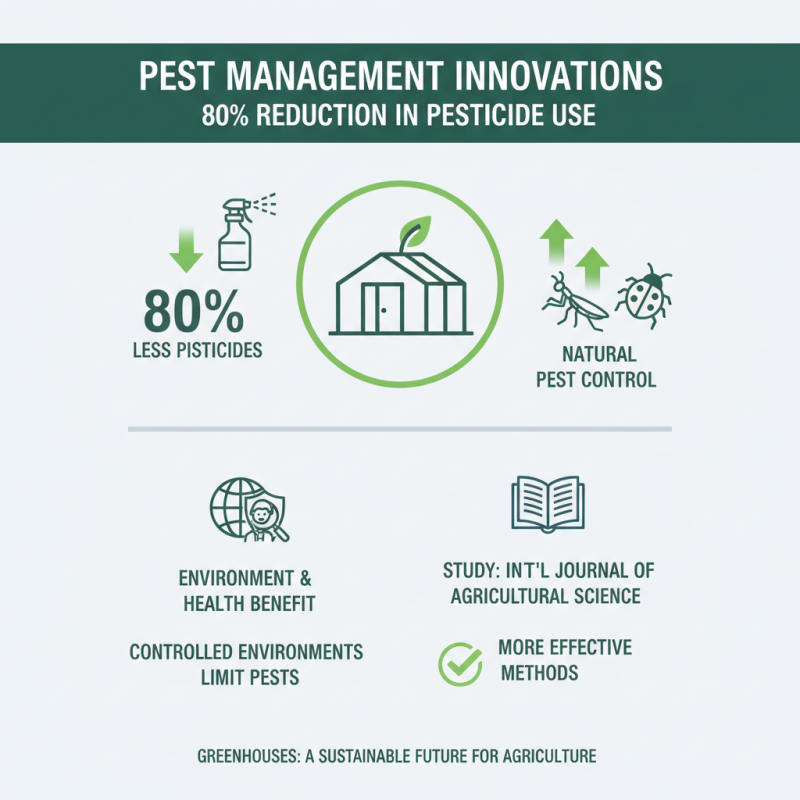
Pest Management Innovations: 80% Reduction in Pesticide Use Through Greenhouses
Greenhouses are revolutionizing pest management in agriculture, achieving up to an 80% reduction in pesticide use. This is a significant advancement, as conventional farming relies heavily on chemical pesticides, which can harm the environment and human health. A study by the International Journal of Agricultural Science highlights how controlled environments in greenhouses limit pest exposure, enabling more effective natural pest control methods.
By using greenhouses, farmers can introduce beneficial insects and biological pest management strategies without the interference of external pests. This approach not only reduces chemical dependency but also promotes biodiversity. Research indicates that greenhouse cultivation can enhance pest predator populations, creating a balanced ecosystem within its confines. Yet, reliance on these methods can lead to an overconfidence in biological solutions, risking potential pest outbreaks if not managed properly.
Additionally, growing delays in implementing innovative pest control measures can occur. Some farmers might resist transitioning to greenhouse practices due to initial costs and training requirements. While the long-term benefits are clear, the shift necessitates time and investment. Hence, careful planning and commitment are essential to maximize sustainable outcomes in pest management.
Extending Growing Seasons: Year-Round Production Leading to Increased Profitability
Industrial greenhouses play a pivotal role in sustainable agriculture. By regulating temperature and humidity, they extend growing seasons. Year-round production benefits both farmers and consumers. This controlled environment allows for consistent yields, regardless of external weather conditions. Thus, farmers can produce crops whenever needed, maximizing profitability.
Tips for growing year-round include choosing the right crops. Certain vegetables thrive in cooler temperatures. Others, like herbs, can grow continuously. Experimenting with different plants throughout the year can lead to surprising yields. Maintain proper ventilation to prevent mold and pests. Regular monitoring of humidity levels is essential.
Consider investing in technology. Automated systems can optimize light and water usage. This reduces labor costs and conserves resources. However, ensure you understand the system before relying solely on it. Continuous learning is crucial in this rapidly evolving field. Stay informed about agricultural trends and innovations.
Top 10 Benefits of Industrial Greenhouses for Sustainable Agriculture
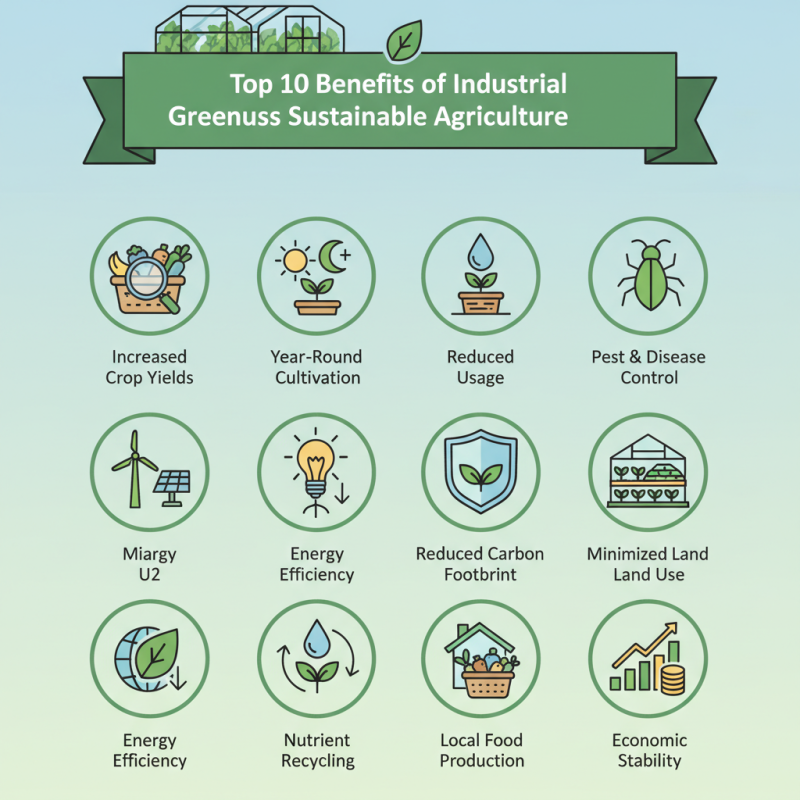
This bar chart illustrates the top ten benefits of industrial greenhouses for sustainable agriculture, highlighting their contributions towards extended growing seasons, increased crop yield, efficient water usage, and more. Each benefit is rated based on its significance to sustainable practices.