Top Benefits of Light Deprivation Greenhouses for Growers?
The use of Light Deprivation Greenhouses has revolutionized the agricultural industry. These structures offer significant advantages for growers, including extended growing seasons and enhanced crop yields. According to a report by the American Greenhouse Society, light deprivation techniques can increase production by up to 30%.
Expert Mike Johnson, a leading figure in greenhouse technology, emphasizes this point: "Light Deprivation Greenhouses provide growers with an unparalleled ability to control their crop cycles." This adaptability is vital for responding to market demands and maximizing profit margins.
However, the initial investment in light deprivation systems can be daunting. Growers need to weigh the costs against potential returns. It's essential to engage with experts and analyze local climate conditions when considering this shift. Overall, embracing these innovative structures can lead to sustainable growth in the competitive agricultural landscape.
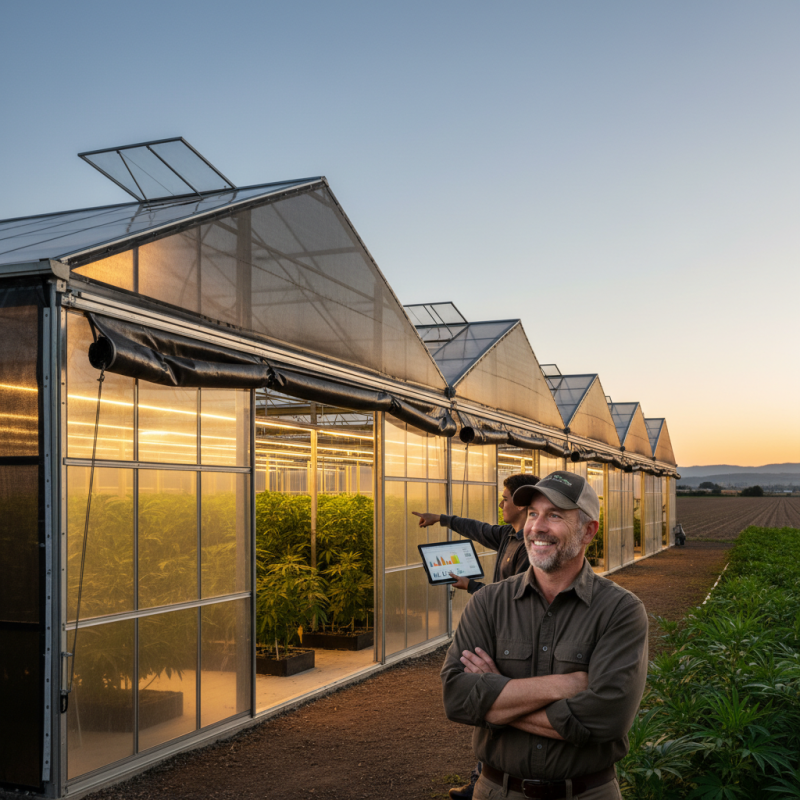
Understanding Light Deprivation Greenhouses and Their Functionality
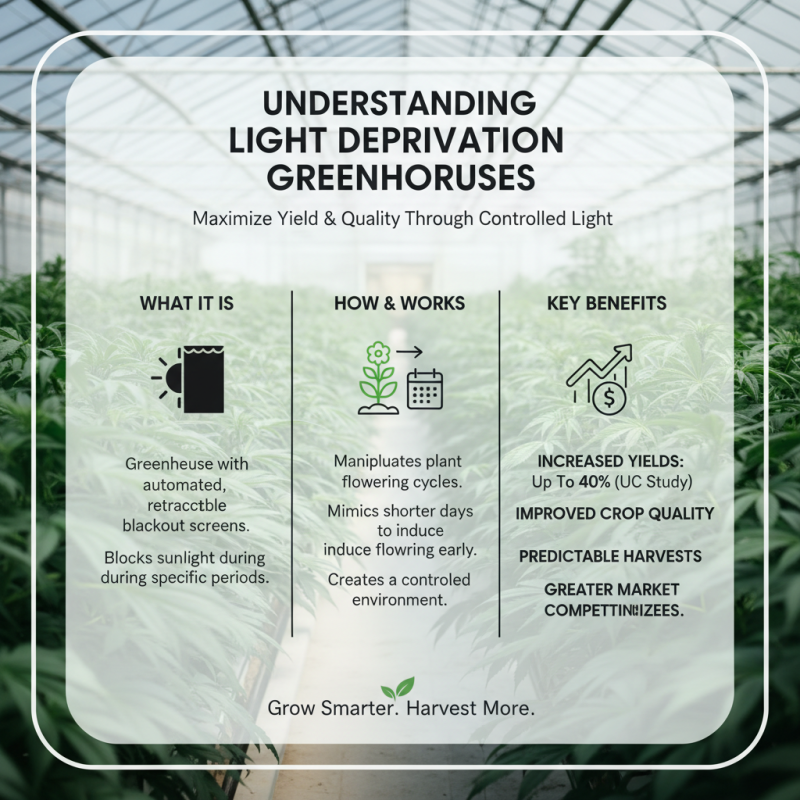
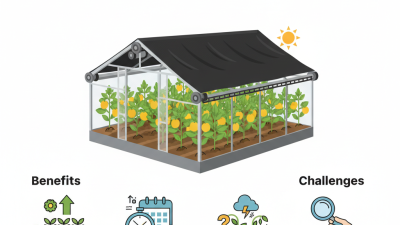
Light deprivation greenhouses offer a unique way to manipulate light exposure for plants. By blocking sunlight during specific periods, growers can manage plant flowering cycles more effectively. This controlled environment helps maximize yield and improve crop quality. A study by the University of California indicates that implementing light deprivation can boost yields by up to 40%. Such efficiency is crucial in competitive markets.
Understanding the functionality of these greenhouses reveals their complexity. They utilize blackout curtains that control light levels, enabling growers to simulate seasonal changes. This technique allows for multiple harvests in a year. While effective, it requires careful monitoring and management to avoid light stress on plants. Research shows that inadequate light control can lead to reduced growth rates. Therefore, growers must strike a balance between maximizing light deprivation and ensuring plants remain healthy.
The economic implications are significant. By optimizing light exposure, growers reduce time from seed to harvest. This efficiency can lower labor costs and increase profit margins. However, the initial investment in technology may deter some growers. Understanding the long-term benefits may help in overcoming this hurdle. As the industry evolves, staying informed about best practices remains essential for success.
Enhanced Yield Quality: How Light Deprivation Improves Crop Output
Light deprivation greenhouses offer unique advantages for growers seeking to enhance crop production. By controlling light exposure, these structures create an optimal environment for plants. The result is often higher yield quality. This technique allows growers to extend the flowering phase. Plants receive the ideal light spectrum for growth while preventing unwanted flowering. An example is the use of blackout tarps, which limit exposure. This practice has been proven effective in many cases.
Moreover, light deprivation can lead to denser and more potent crops. When light is limited, plants focus energy on producing phytochemicals. This process boosts essential oil levels and compounds, improving flavor and aroma. However, it requires careful monitoring. If not managed properly, the lack of light can stress plants. Growers must be aware of their specific crop needs. An imbalance might result in lower yields or poor quality.
Ultimately, light deprivation greenhouses promote a disciplined approach to cultivation. Growers learn to adapt to their crops' responses. This continuous improvement fosters a more sustainable cultivation method. Experimentation plays a key role. Each season offers new lessons. Refining techniques based on previous experiences leads to better outcomes.
Optimizing Growing Cycles: The Role of Light Deprivation in Plant Growth
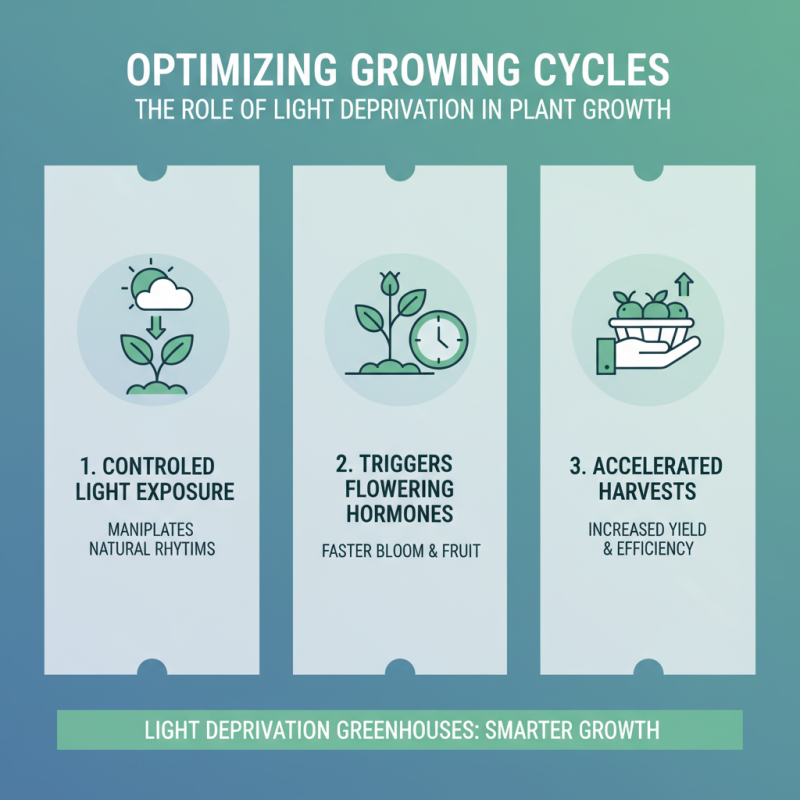
Light deprivation greenhouses present an innovative approach to optimizing plant growth cycles. By controlling light exposure, growers can manipulate the natural rhythms of plants. This helps in achieving desired flowering and fruiting times. When the light is limited, certain plants react by triggering flowering hormones, leading to quicker harvests.
The precision of light deprivation allows for year-round cultivation. Growers can create specific conditions that mimic seasonal changes. However, managing these environments can be challenging. Temperature fluctuations and humidity levels need constant monitoring. Missing a key variable might lead to subpar growth or pest infestations. This requires knowledge and experience to navigate effectively.
Despite these complexities, many growers find light deprivation to be rewarding. It not only enhances yield but also improves the quality of the produce. With careful planning, light deprivation greenhouses can turn gardening into a more predictable and productive endeavor. Nonetheless, it's essential to continually assess methods and outcomes, adapting practices for new insights or challenges.
Cost Efficiency: Financial Benefits of Using Light Deprivation Techniques
Light deprivation greenhouses offer significant financial advantages for growers. By controlling the light exposure, these structures allow for multiple harvests throughout the year. This intensifies crop production and increases overall revenue. Growers can optimize plant growth cycles, leading to better yields. Efficient use of resources can dramatically enhance profitability.
Using light deprivation techniques minimizes energy costs. Traditional growing methods often require substantial artificial lighting. In contrast, these greenhouses rely on natural cycles, reducing electricity bills significantly. Many growers find that their operational costs drop, freeing up funds for other improvements.
However, implementing these systems isn't without challenges. There can be initial setup costs and the need for careful planning. Some growers struggle to adapt their practices to this method. Adapting to new technology takes time and may involve trial and error. Ultimately, the long-term savings and benefits often outweigh these early obstacles.
Financial Benefits of Using Light Deprivation Techniques
Environmental Control: Adjusting Conditions for Ideal Growth Outcomes
Light deprivation greenhouses provide growers with precise environmental control. This system enables modifications of light and temperature, fostering optimal plant growth. By limiting sunlight exposure, growers mimic seasonal changes. Research shows that plants subjected to controlled light conditions can increase yields by up to 30%. This is especially beneficial for high-value crops that thrive in specific environments.
Implementing environmental controls requires careful planning. Humidity, temperature, and CO2 levels matter greatly. In fact, studies indicate that maintaining a CO2 concentration of around 1,200 ppm can enhance growth rates. Remember, inadequate monitoring can lead to imbalances, causing stress in plants. Regular checks on these parameters help sustain a healthy growing environment.
Tips: Explore using automated systems for better monitoring. These systems can track and adjust conditions in real time. Additionally, consider using fans for air circulation; stagnant air can lead to problems. Experiment with different light schedules to find the most effective setup for your crops. Each grower should assess their unique needs systematically.