Best Vegetable Greenhouse Ideas for Beginners?
Creating a successful Vegetable Greenhouse can seem daunting for beginners. However, it's an exciting endeavor full of potential. Renowned horticulturist Dr. Emily Green asserts, "A well-planned greenhouse can revolutionize your gardening experience." Her insights highlight the transformative nature of a Vegetable Greenhouse.
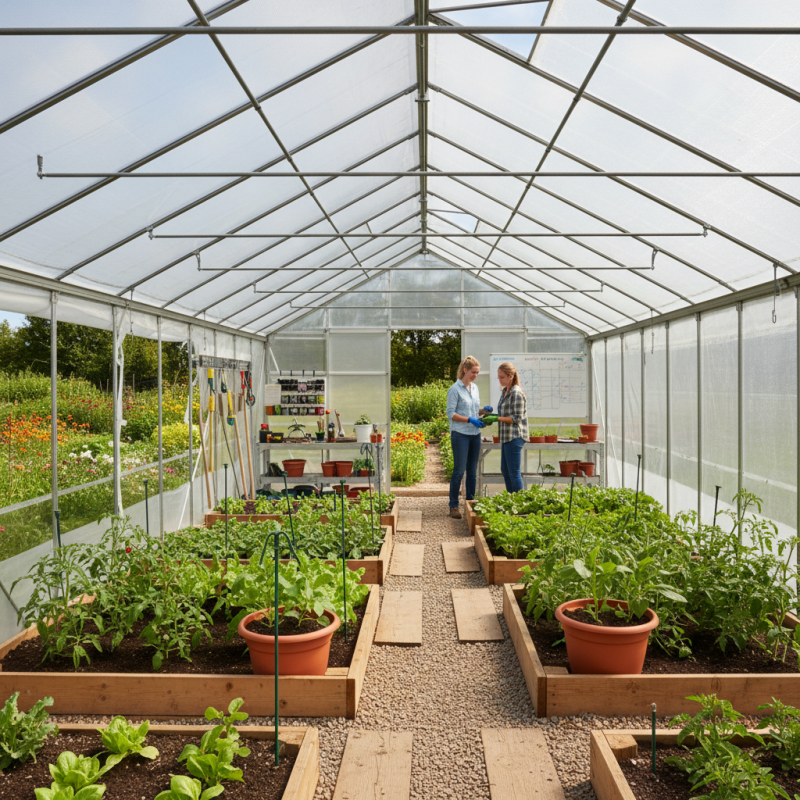
In the world of gardening, a Vegetable Greenhouse serves as a controlled environment. It protects plants from harsh weather and pests. With proper planning, beginners can grow fresh produce year-round. It’s not just about the vegetables; it’s about the learning journey.
Choosing the right design is crucial. Whether it’s a hoop house or a traditional structure, each has its benefits. Yet, mistakes are inevitable. Maybe the budget gets tight, or the location isn’t ideal. These challenges are part of the learning curve. Embrace them. They’ll enhance your skills and improve your Vegetable Greenhouse.
Essential Factors to Consider When Building a Vegetable Greenhouse
When planning a vegetable greenhouse, consider its location carefully. Sunlight is crucial for plant growth. Choose a spot that gets ample sunlight throughout the day. Avoid areas with heavy winds or shadows from trees and buildings. The greenhouse’s orientation matters, too. South-facing sides gain the most sun exposure.
Think about the materials you will use. Options include glass, plastic, or polycarbonate. Each has its pros and cons. Glass can be beautiful, but it can break easily. Plastic is lightweight and affordable but may need regular replacement. Remember to ensure good ventilation. Without it, heat can build up quickly inside. Plants can suffer from excessive temperatures.
Don't overlook the layout inside. Plan the spacing of your crops carefully. Crowded plants can lead to disease. Consider adding shelves for vertical gardening. Small spaces can benefit from such solutions. Sometimes, you may not get things right on the first try. It’s important to learn from each season. Adjust your plans and keep experimenting. A vegetable greenhouse is a journey, not just a project.
Choosing the Right Location for Your Beginner Greenhouse
Choosing the right location for your beginner greenhouse is crucial. Start by assessing sunlight exposure. Most vegetables need at least six hours of sunlight daily. An area that receives morning sun can help retain warmth throughout the day. Trees or buildings nearby could cast shadows, limiting light.
Consider wind protection too. Strong winds can damage your greenhouse structure and affect plants. Look for natural windbreaks, like hedges or fences. These can also help moderate temperature fluctuations. It’s important to be aware of drainage as well. A low-lying area may collect water and create issues. Choose a spot that has good drainage to avoid waterlogging.
Soil quality is another factor. Test the soil to check for nutrients. You might need to amend it for optimal growth. Lastly, think about accessibility. The greenhouse needs to be easy to reach for maintenance. Paths should allow for movement of supplies. These details matter for your gardening journey. It's not just about growing plants; it's about creating the right environment for them to thrive.
Best Vegetable Greenhouse Ideas for Beginners - Choosing the Right Location for Your Beginner Greenhouse
| Location Consideration |
Description |
Advantages |
Disadvantages |
| Sunlight Exposure |
Ensure your greenhouse receives at least 6 hours of sunlight daily. |
Promotes healthy plant growth and higher yields. |
Too much direct sunlight can lead to overheating. |
| Wind Protection |
Choose a location that is sheltered from strong winds. |
Reduces the risk of structural damage and helps maintain temperature. |
May require additional landscaping or barriers. |
| Accessibility |
Place your greenhouse close to your home and water source. |
Easier maintenance and monitoring of plants. |
Might reduce garden aesthetics if poorly placed. |
| Soil Quality |
Consider the quality of the soil for any outdoor expansion. |
Good soil is crucial for planting directly in the ground. |
Poor soil may require amendments or additional work. |
| Local Climate |
Evaluate the typical weather conditions in your area. |
Informs the choice of greenhouse type and plants. |
Extreme climates may require more robust structures. |
Types of Greenhouse Structures Ideal for Growing Vegetables
When starting a vegetable greenhouse,
choosing the right structure is crucial. Several types work well for beginners.
Hoop houses are popular. They are easy to set up and offer good ventilation.
Simply use flexible PVC pipes and cover them with plastic sheeting. This design provides
sufficient warmth and light for growing vegetables.
Another option is a cold frame.
This structure is smaller and great for starting seedlings. You can use old windows to
create the frame. It allows sun in while protecting plants from cold. However, working
with glass can be tricky. Safety is a concern, so handle materials with care.
A more permanent choice is a freestanding greenhouse. This design allows for
more space and advanced growing methods. But setting one up is a bigger commitment.
You'll need to think about electricity and water access. Take time to plan your greenhouse
before purchasing materials. Reflect on your gardening goals to match the structure to
your needs.
Recommended Vegetables for Your First Greenhouse Garden
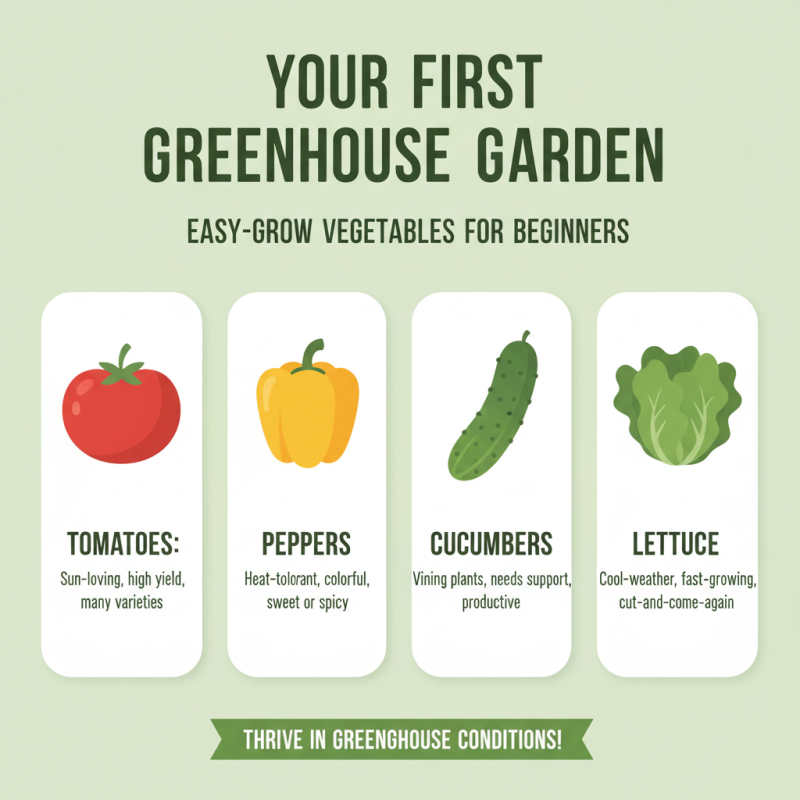
Starting your first greenhouse garden can be exciting. Choosing the right vegetables is crucial. Some great options for beginners include tomatoes, peppers, cucumbers, and lettuce. These vegetables are relatively easy to grow. They thrive in greenhouse conditions and produce good yields.
Tips: Regularly check your plants for pests. Overlooked pests can ruin your crop. Water your plants consistently, but don’t overdo it. Too much moisture can cause root rot.
Bell peppers are particularly forgiving. They adapt well to greenhouse spaces. You can harvest fresh peppers throughout the season. Next, consider cucumbers. These grow quickly and can climb if you provide support. This saves space and looks great in your greenhouse.
Remember, growing vegetables isn’t always perfect. You may face challenges like disease or pests. Learning from mistakes is part of gardening. Each season offers new lessons. Enjoy the process and don’t rush. Cultivating patience is as important as growing your plants.
Tips for Maintaining Optimal Conditions Inside Your Greenhouse
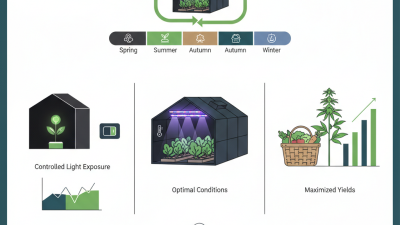
Creating the right environment in your greenhouse is crucial for your vegetable plants. Temperature, humidity, and light levels need careful monitoring. Even small changes can impact plant growth. It might take time to find the best balance.
To maintain optimal conditions, start with temperature control. Aim for 70°F during the day and around 50°F at night. Utilize shade cloths or ventilation when it’s too hot. Consider using a thermometer for precise measurements. If it gets cold, heating mats can help. Yet, be cautious with heat; too much can stress the plants.
Humidity is equally important. Most vegetables thrive at 50-70% humidity. You can achieve this by watering your plants regularly but avoid over-saturation. Misting the air can help, but don’t overdo it. Make sure there is airflow; stagnant air can lead to mold problems. A small fan can help circulate air and keep humidity levels in check. Reflecting on these aspects can lead to better choices in your greenhouse journey.
Optimal Conditions for Vegetable Greenhouse