What is the Best Multi-Span Greenhouse for Global Buyers?
In the world of agriculture, the significance of a Multi-Span Greenhouse cannot be overstated. This structure has revolutionized how global buyers approach crop production. With its ability to maximize space and create a controlled environment, a Multi-Span Greenhouse offers unique benefits. Yet, not all greenhouses are created equal. Buyers often face a myriad of choices, each with its own strengths and weaknesses.
Navigating this landscape requires expertise and an understanding of various greenhouse types. Factors like climate, crop type, and budget play vital roles in making an informed decision. A well-constructed Multi-Span Greenhouse can lead to increased yields and better quality produce. However, the investment involved is substantial and demands careful consideration.
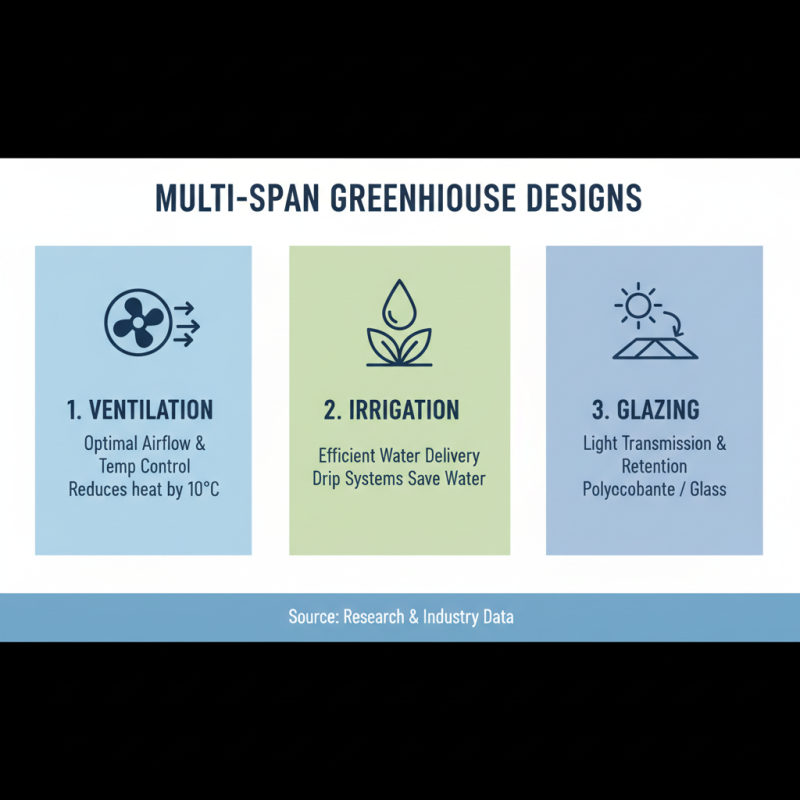
Some might overlook important details, such as ventilation and irrigation systems. These elements are crucial to a greenhouse's efficiency and productivity. It's essential to reflect on past decisions and learn from them. Ensuring the right fit for your needs can be a challenge, but the rewards of a successful Multi-Span Greenhouse can be transformative for global agriculture.
Criteria for Selecting the Best Multi-Span Greenhouse Models
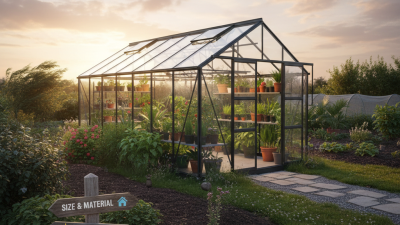
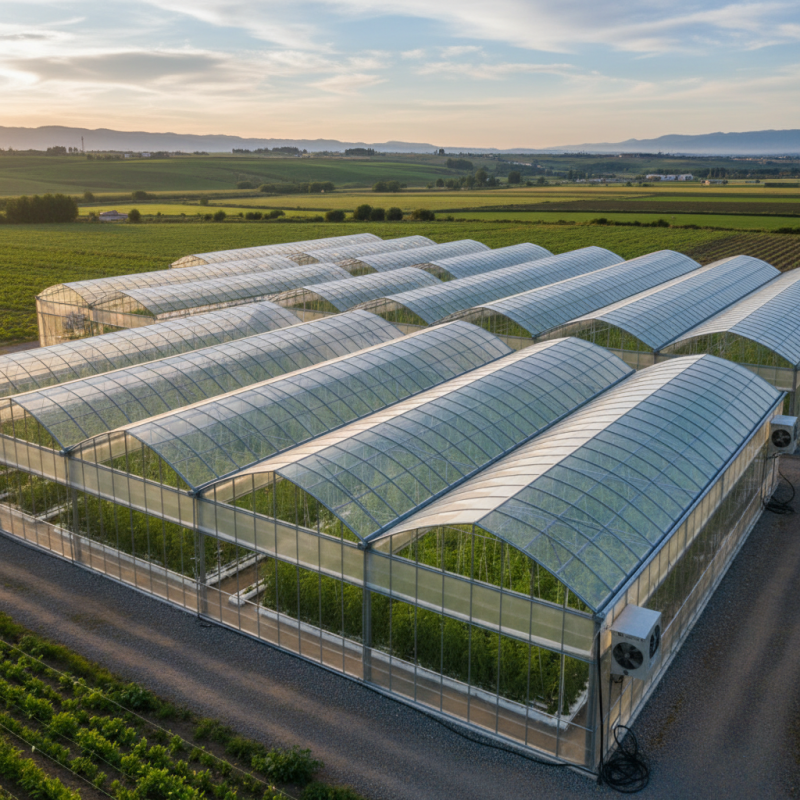
When selecting the best multi-span greenhouse, buyers should consider several critical factors. An essential criterion is the greenhouse's structure and material. High-quality, durable materials like galvanized steel or aluminum offer longevity. According to industry reports, greenhouses made with these materials can last over 15 years under proper conditions. Additionally, the design should allow for optimal ventilation and light penetration, which directly impacts plant growth.
Another vital factor is the greenhouse's size and layout. Multi-span greenhouses provide flexibility in space arrangement. Reports suggest that a well-designed layout can increase crop yield by 20-30%. Buyers should evaluate how the greenhouse system accommodates various plant types and farming methods. Customization options for internal setups, like shelving and irrigation systems, can enhance productivity.
Tips: Always verify product reviews and case studies to gain insights. Consider local climate conditions; they greatly affect greenhouse performance. Seeking advice from horticultural experts can yield actionable insights and prevent costly mistakes in the decision-making process. Failing to assess these aspects could lead to operational inefficiencies. Hence, buyers should thoroughly reflect on their specific needs before making a final choice.
Top Multi-Span Greenhouse Manufacturers for Global Markets
When selecting a multi-span greenhouse, understanding the market leaders is essential. Manufacturers that excel often focus on high-quality materials and innovative designs. These factors contribute to durability and efficiency, important aspects for global buyers. The complexity of climate adaptation also plays a crucial role. Buyers need to consider their specific agricultural needs.
Some manufacturers emphasize energy efficiency and effective ventilation systems. These features help maintain an optimal growing environment. Attention to detail is vital, yet not all companies achieve this standard. Subpar construction may lead to issues like poor air circulation or inadequate insulation. Buyers should evaluate their previous projects and customer reviews carefully to ensure reliability.
Investing in a greenhouse is a significant decision. The right manufacturer can enhance productivity over time. However, it's important to manage expectations and remain critical during the selection process. Buyers may find discrepancies between promises and delivery. Continuous research and feedback focus can make a substantial difference in long-term satisfaction.
Cost Analysis of Multi-Span Greenhouses for Buyers Worldwide
When considering multi-span greenhouses, cost is a crucial factor for buyers worldwide. These structures offer advantages such as
better climate control and increased crop yield. However, the initial investment can
vary significantly based on size and materials. A detailed cost analysis can reveal hidden expenses like site preparation,
heating, and ventilation systems.
Tips: Assess your local climate. This will help you choose the right materials and features for your greenhouse. Understand
that investing in quality may lead to long-term savings. Cheaper options might require frequent repairs.
Transport and installation costs can also escalate. Planning ahead is essential. Establishing a budget early will guide your
decisions. Research local suppliers and compare prices. The very design of the greenhouse can influence costs greatly. Opt for
designs that fit your specific needs, but keep practicality in mind.
Tips: Don’t overlook maintenance. Some structures require more upkeep than others. Factor in ongoing costs when deciding.
Be prepared for some trial and error; not every solution will work from the start. Regularly revisiting
your strategy can enhance your greenhouse's efficiency.
Maintenance and Sustainability Practices for Multi-Span Greenhouses
Multi-span greenhouses offer a versatile solution for global agricultural needs. However, maintaining and ensuring sustainability practices can be complex. Proper ventilation and temperature management are essential.
Studies show that improving air circulation can enhance crop yield by up to 15%. Effective strategies must be employed to achieve optimal growing conditions for various plants.
Water management is another critical aspect. A report from the International Society for Horticultural Science indicates that optimized irrigation techniques can reduce water usage by 30%. Yet, many growers still struggle with overwatering or inefficient systems.
Implementing rainwater harvesting and drip irrigation can provide solutions but requires an upfront investment and careful planning.
Furthermore, pest management strategies must align with sustainability goals. Integrated Pest Management (IPM) techniques promote using natural predators and controlled releases. Research suggests that IPM can decrease pesticide usage by 25%. However, many growers find it challenging to adapt due to a lack of knowledge or resources.
Continuous education and dedicated training are vital to overcoming these barriers in multi-span greenhouse operations.