Why Choose a Blackout Greenhouse for Optimal Plant Growth?
The Blackout Greenhouse is becoming increasingly popular among growers seeking optimal plant growth. Research indicates that controlled environments can enhance yields significantly. For instance, a report by the USDA showed that greenhouses can increase crop productivity by 30-50% compared to traditional farming methods. This improvement is attributed to factors like light control and temperature regulation.
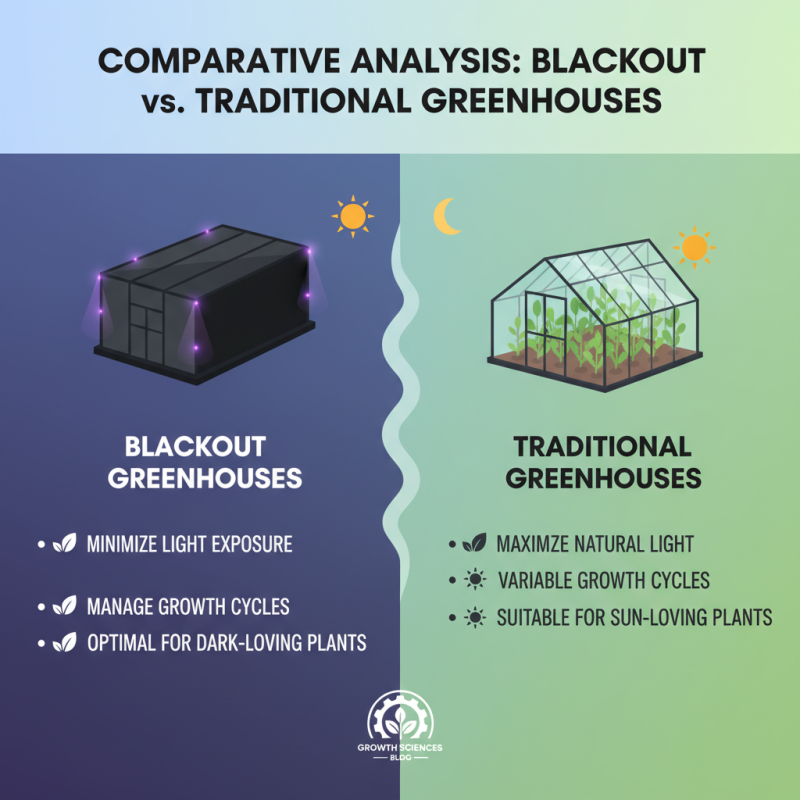
Light is a crucial element for photosynthesis. However, excessive light can stress plants and hinder growth. Blackout Greenhouses minimize light exposure during specific periods, allowing growers to control growth cycles. This innovation is particularly useful for crops that require distinct dark periods, as highlighted by the American Society for Horticultural Science. Implementing such practices can lead to better-quality produce.
Despite the advantages, growers should consider the initial setup costs of a Blackout Greenhouse. It’s important to strike a balance between investment and potential yield increase. Not every greenhouse system will suit all types of plants, making careful planning essential. Each grower must evaluate their unique needs and conditions. This reflects the continuous learning and adaptation within the agricultural community for the best results.
Benefits of Using Blackout Greenhouses for Plant Development
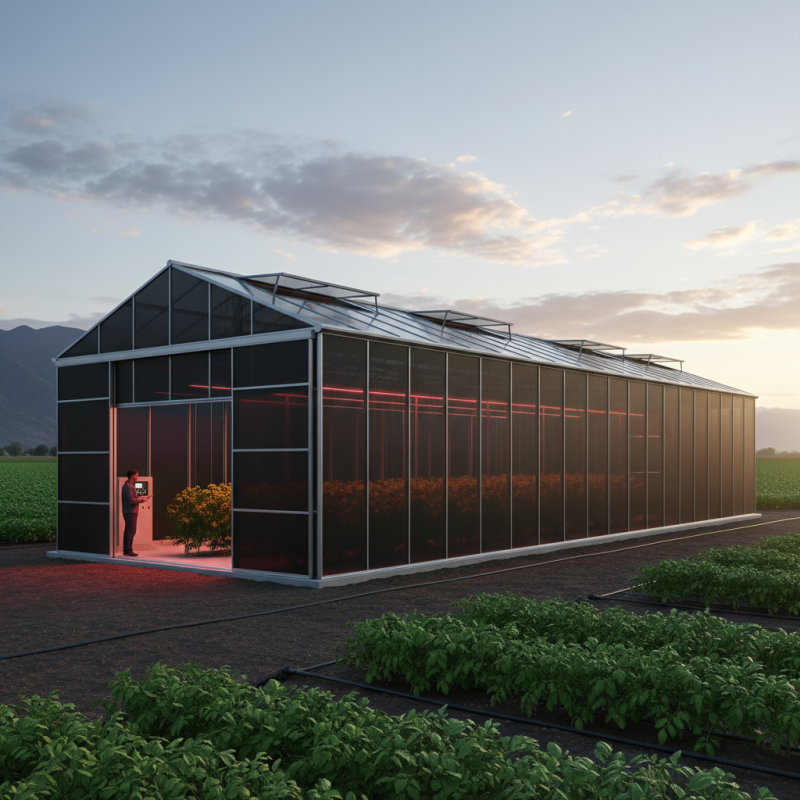
Blackout greenhouses are gaining popularity among growers for their unique benefits. These structures effectively block out sunlight, creating a controlled environment. This allows for better management of light levels, crucial for optimal plant growth. Many plants require specific light cycles to thrive, and blackout greenhouses provide that flexibility.
Using a blackout greenhouse can enhance plant development significantly. Plants can grow stronger, with richer colors and improved yields. This controlled setting also helps in reducing pests and diseases, as it limits some environmental stresses. However, managing humidity and temperature levels can be challenging. Growers need to monitor these factors closely.
The ability to manipulate light exposure can lead to year-round cultivation. This is particularly beneficial for growers in regions with limited sunlight during certain seasons. Experimenting with different shading techniques can yield varying results. While blackout greenhouses offer great advantages, growers should carefully assess their unique needs and growing conditions.
Why Choose a Blackout Greenhouse for Optimal Plant Growth?
This chart illustrates the benefits of using blackout greenhouses for various plant types in different growth stages. The data represents the average growth rate (cm/week) of plants under standard light conditions versus blackout conditions.
Understanding the Design Features of Blackout Greenhouses
Blackout greenhouses offer a unique design that significantly enhances plant growth. These structures utilize blackout fabrics that block sunlight during specific hours. This controlled light exposure stimulates flowering and fruiting in many plants. According to a study by horticultural experts, plants in blackout environments show a 25% increase in yield compared to those in traditional greenhouses.
Temperature regulation is another vital feature. Blackout greenhouses often include reflective materials that help maintain optimal temperatures. The combination of light control and temperature management creates a perfect ecosystem for plants. A report published by the American Society for Horticultural Science highlights that consistency in these factors leads to healthier plant development.
Tips: Consider using blackout curtains adjustable to your needs. This allows flexibility for different plant species. Monitor humidity levels closely, as a sealed environment can lead to excess moisture. Small adjustments can make a significant difference in overall growth. Plant selection matters too. Some species might thrive, while others may struggle. Keep experimenting with various plants to find the best fit for your specific greenhouse setup.
Light Control Mechanisms and Their Impact on Plant Growth
Light control is crucial in maximizing plant growth. Blackout greenhouses provide the ability to manipulate light exposure effectively. Research indicates that light intensity and duration significantly impact photosynthesis, a key process for plant health. For instance, studies show that different light spectra can enhance chlorophyll production, leading to healthier plants.
A study published in the Journal of Horticulture found that plants grown in controlled light environments had a 30% increase in yield compared to those in standard greenhouses. This underscores the importance of light management. Blackout features allow growers to replicate seasonal changes, which can trigger flowering and fruiting cycles in many crops.
However, it's essential to balance light and dark periods. Overexposure or prolonged darkness can hinder plant development. Monitoring light levels ensures optimal conditions. Growers need to adjust their strategies based on specific plant needs. This ongoing evaluation contributes to a more effective growing environment.
Why Choose a Blackout Greenhouse for Optimal Plant Growth?
| Plant Type |
Optimal Light Conditions |
Growth Rate (cm/week) |
Light Control Mechanism |
Additional Benefits |
| Tomatoes |
14-16 hours of light |
5-10 cm |
Automatic blackout during overheating |
Reduced pests |
| Lettuce |
10-12 hours of light |
4-8 cm |
Reduced light during heat peaks |
Improved quality |
| Cucumbers |
12-14 hours of light |
6-12 cm |
Adjustable shading |
Water conservation |
| Bell Peppers |
12-16 hours of light |
4-9 cm |
Optimized for early morning light |
Enhanced disease resistance |
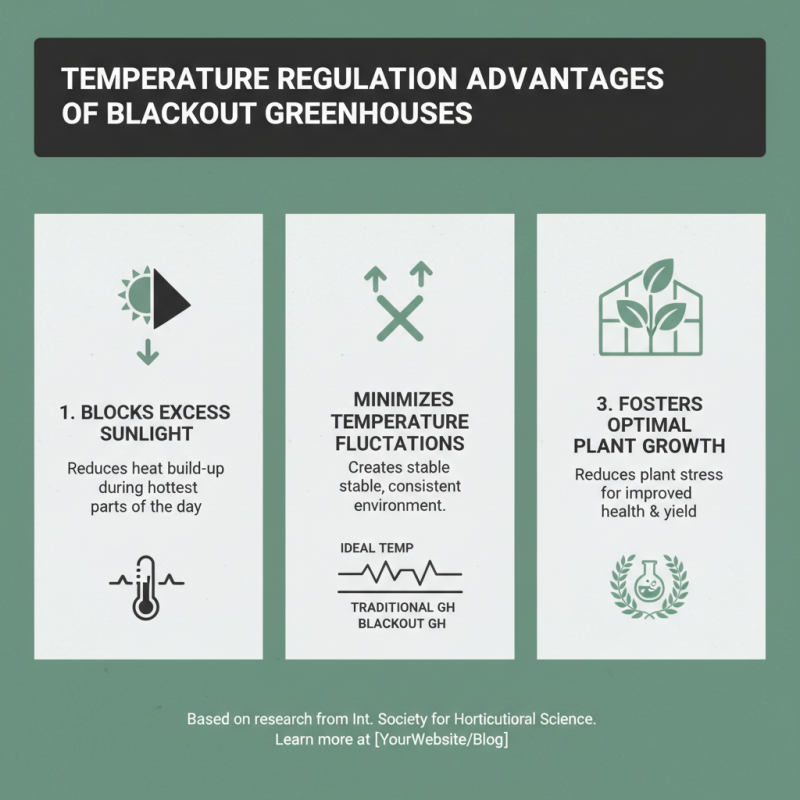
Temperature Regulation Advantages of Blackout Greenhouses
Blackout greenhouses provide unique advantages for regulating temperature, fostering optimal plant growth. By blocking sunlight, these structures help maintain a stable and consistent environment. Research shows that plants exposed to less light during the hottest parts of the day often exhibit improved health. A study published by the International Society for Horticultural Science revealed that temperature fluctuations can lead to stress in plants, negatively impacting growth. Blackout greenhouses can minimize these fluctuations.
Controlling temperature is crucial. Night-time temperatures can drop significantly outside. In a blackout greenhouse, these drops can be mitigated, promoting a stable climate. A study indicated that maintaining temperature variance within a 5°C range can lead to a 30% increase in yield. This advantage allows plants to thrive without the constant stress of changing conditions.
**Tips:** Consider using thermal mass materials to absorb heat during the day and release it at night. Monitor humidity levels, as they can also influence plant health. Regularly assess the temperature; minor adjustments can lead to significant improvements in growth outcomes.