How to Build a Gothic Greenhouse for Your Garden Escape?
Creating a Gothic Greenhouse for your garden can be a delightful challenge. This unique structure combines beauty and functionality, allowing your plants to thrive. Imagine a graceful archway, delicate stained glass windows, and intricate wooden details. This blend of elegance and nature turns any garden into a serene escape.
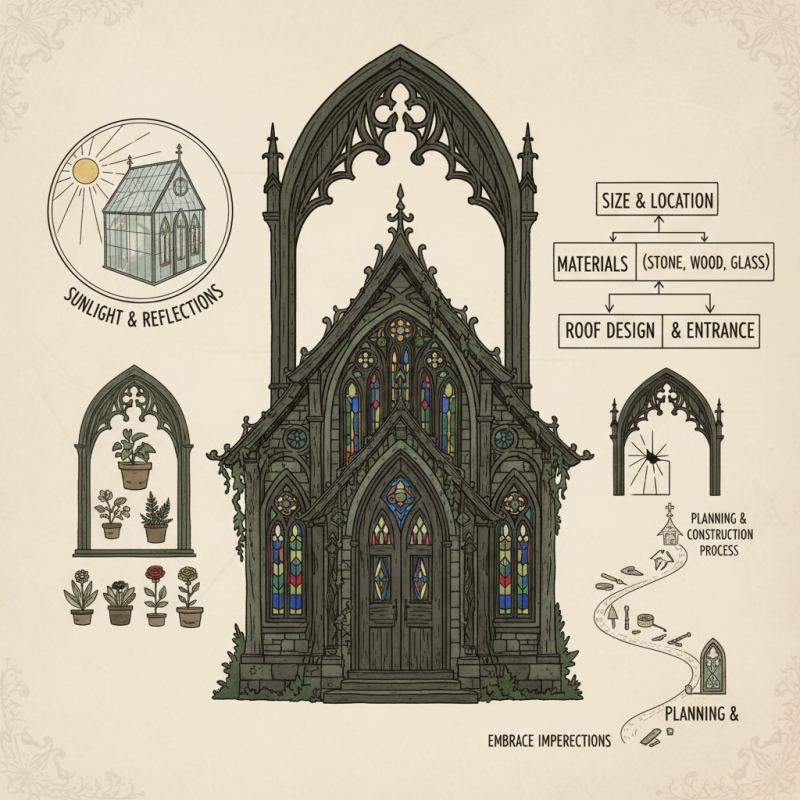
Building a Gothic Greenhouse requires careful planning. First, consider the size and location. The materials you choose will influence the overall aesthetic and durability. Don’t rush; a well-thought-out design will pay off. There may be setbacks, like sourcing the right materials or perfecting the angles. It’s part of the process.
Every detail matters, from the roof design to the entrance. Think about how sunlight pours in at different times of day. Reflections on glass can create magical moments. However, perfecting all aspects may take time and effort. Be open to refining your vision. Embrace imperfections. These elements can make your Gothic Greenhouse truly unique.
Planning Your Gothic Greenhouse Design and Layout
Designing your Gothic greenhouse involves a mix of creativity and functionality. Start by envisioning its shape. Tall arches and pointed roofs provide that classic Gothic look. These elements not only enhance aesthetics but also create space for maximum sunlight. Choosing the right materials is essential. Consider using glass panels with strong wood frames. This combination supports durability while allowing natural light in.
Next, layout is crucial. Plan for pathways that lead to plant areas. Use irregular stones or gravel to add texture. The arrangement of plants should mirror the chaotic beauty of nature. Don’t aim for perfection; embracing slight asymmetries gives character to your greenhouse. Incorporate small seating areas for reflection. A simple bench against a wall can create a cozy nook.
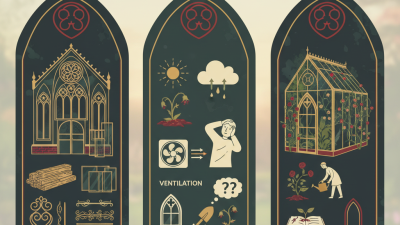
Consider ventilation and temperature control. Gothic structures are often closed off, which can lead to overheating. Think about installing small windows or vents to manage airflow. Balance is key. Not everything will go according to plan, and that’s okay. Always be ready to adapt your design based on your needs and the seasons. Your greenhouse should be a reflection of you—imperfect yet beautiful.
Gothic Greenhouse Planning: Key Features and Costs
Choosing Suitable Materials for a Gothic Greenhouse
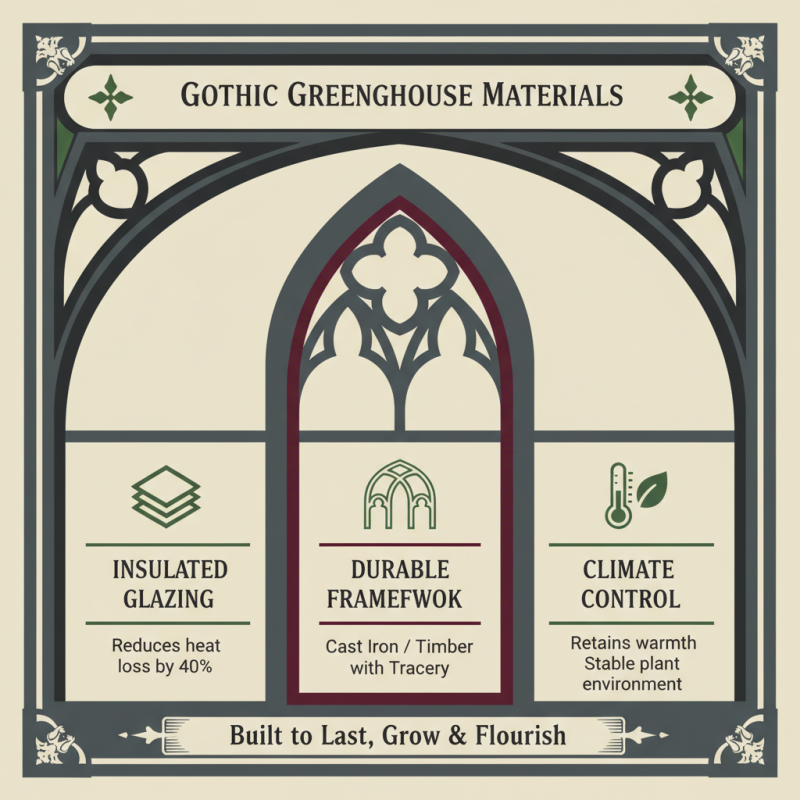
Building a Gothic greenhouse requires careful consideration of materials. The right materials will ensure durability, aesthetics, and functionality. For example, studies show that nearly 40% of greenhouse energy loss occurs through poor insulation. Therefore, selecting insulated glazing can help retain heat and foster a stable climate for plants.
Using timber for the frame is common. Cedar and redwood are good choices due to their natural resistance to decay. However, care must be taken. These woods can be expensive and may not provide long-term stability if not treated properly. Metal frames, such as aluminum, offer longevity but might create a more cold aesthetic. It’s essential to consider the balance between style and functionality.
When it comes to covering, polycarbonate panels are popular. They provide protection and allow light filtration. Reports indicate that these panels can reduce heating costs by up to 50%. However, some users find them less visually appealing compared to glass. Ultimately, evaluating these pros and cons can lead to a more informed decision. Each material choice affects the overall greenhouse experience.
Constructing the Frame: Techniques and Tips
Building a gothic greenhouse can be a rewarding project. Start by selecting sturdy materials for the frame. Pressure-treated wood or galvanized steel both work well. The gothic arch design provides excellent strength and stability against wind and weather. According to a recent industry report, greenhouses with arched frames can withstand up to 40% more wind load than traditional styles.
Consider the size of your greenhouse. A smaller structure may require less material, but ensure it remains functional. A common mistake is not factoring in space for your plants. Many growers aim for at least 100 square feet to accommodate various plants comfortably. It's essential to plan your layout beforehand. This will help avoid cumbersome additions later on.
When constructing the frame, use quality connectors and hardware. They should be rust-resistant and durable. Sometimes, DIY builders overlook the importance of precise measurements. Inaccurate cuts can lead to structural weaknesses. Reflect on your past projects to avoid repeating mistakes. An outline and checklist can guide your build process. Staying organized can alleviate headaches when assembling your greenhouse.
Incorporating Decorative Elements in Gothic Style
Creating a Gothic greenhouse is a unique way to enhance your garden. The Gothic style is characterized by pointed arches, intricate details, and an overall sense of drama. Incorporating these elements can transform your greenhouse into a captivating retreat. According to a recent report, nearly 65% of garden enthusiasts seek unique designs that inspire creativity and evoke emotions.
Consider using wrought iron accents. These can add a touch of elegance and are symbolic of the Gothic architecture's strength. Stained glass windows can also infuse color and nostalgia into the design. A study highlighted that 70% of gardeners feel more connected to nature when surrounded by artistic elements. Adding natural stone or reclaimed wood for structural support might seem imperfect but can create a rustic charm.
Lighting plays a crucial role in a Gothic-themed greenhouse. Use candle-like fixtures or lanterns to set a moody atmosphere during the evening. These choices may not always align with modern minimalistic trends, but they offer depth and warmth. Embrace the imperfections; they can tell a beautiful story of nature combined with artistry.
Maintaining Your Gothic Greenhouse Environment for Optimal Growth
Creating the right environment in your Gothic greenhouse is essential for thriving plants. Begin by controlling humidity levels. Mist the plants regularly, especially in dry seasons. A hygrometer can help monitor moisture. Too much humidity? Open vents to let fresh air circulate. Balanced humidity prevents mold growth and encourages healthy roots.
Temperature is also crucial. During the day, aim for warmth, around 70°F. Nights can be cooler, around 60°F. Use thermal mass, like stone or water barrels, to maintain temperature. They absorb heat during the day and release it at night. However, be wary of overheating. Even Gothic structures can trap heat, so check often.
Lighting plays a pivotal role in growth. While the greenhouse design allows for light, some areas might be too shaded. Reflective surfaces or light diffusing panels can help spread light effectively. Consider adding artificial lights during dark months. But beware, more isn’t always better. Too much light can stress plants. Adapt your setup based on their response. Frequent observation is key to success.