How to Build a Polyethylene Greenhouse for Your Garden?
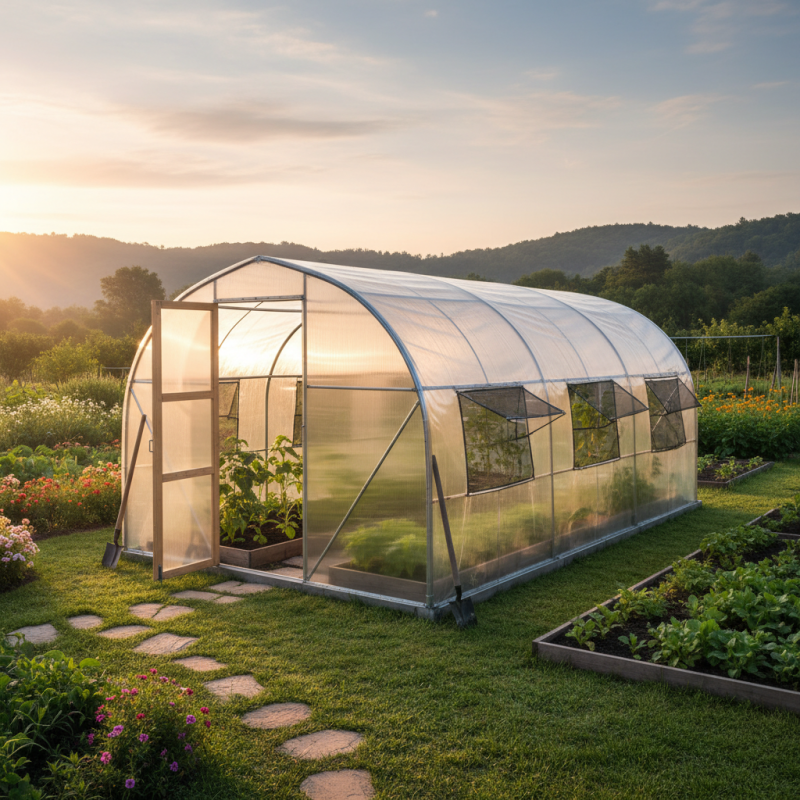
Building a Polyethylene Greenhouse has become a trend among gardeners. Experts say it can extend the growing season. John Smith, a greenhouse specialist, asserts, "A well-built Polyethylene Greenhouse pays off in healthy plants."
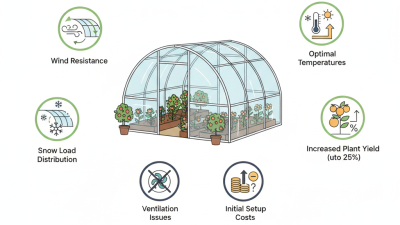
Creating a Polyethylene Greenhouse is not without challenges. Proper framing and ventilation are crucial. It's easy to overlook these details when constructing your greenhouse, leading to future issues. Without proper planning, your greenhouse may not perform well.
Moreover, selecting the right materials is vital. The type of polyethylene used can affect durability. Remember, it needs to withstand weather conditions. While the idea sounds straightforward, execution requires thought and effort. Reflecting on mistakes can lead to better choices. So, delve into the process with care, as each step matters in building a successful Polyethylene Greenhouse.
Choosing the Right Location for Your Polyethylene Greenhouse Setup
Choosing the right location for your polyethylene greenhouse can significantly impact its effectiveness. Sunlight is crucial. The best spot is one that gets full sun exposure. Aim for south-facing areas. This ensures your plants receive adequate warmth and light. However, be cautious of areas with too much shade. Nearby trees or buildings can hinder growth.
Wind can also affect your greenhouse. Consider a location protected from strong winds. If possible, plant windbreaks like shrubs or fences. They can reduce draughts and stabilize temperatures inside the greenhouse. Additionally, drainage is important. A site that collects water can lead to problems. Ensure the area can drain well, preventing pooling around your structure.
Soil type matters too. Test the soil where you plan to build. If it’s too sandy or clay-heavy, think about amendments. Fertile soil boosts plant growth. Also, consider accessibility. Your greenhouse should be easy to reach for watering and maintenance. It’s frustrating if your plants are hard to tend. Reflect on these aspects before finalizing your spot. Success begins with a thoughtful choice.
Understanding Polyethylene Materials: Types and Durability Factors
When building a polyethylene greenhouse, understanding the materials is crucial. Polyethylene, a versatile plastic, comes in various types. The most common are low-density polyethylene (LDPE) and high-density polyethylene (HDPE). Each type has unique properties that affect durability. Reports indicate that LDPE lasts about 5-7 years, while HDPE can last up to 20 years with proper care.
Another significant factor in durability is thickness. Standard polyethylene film is available in gauges ranging from 4 to 10 mils. Thicker films generally resist tearing and UV degradation better than thinner ones. However, thicker materials can be more challenging to install and may require more structural support. Regular maintenance, including cleaning and inspection, can extend the lifespan of your greenhouse.
Environmental conditions also play a role. Locations with extreme weather face harsher conditions. Wind, hail, and UV exposure can quickly damage lighter materials. It's important to choose polyethylene that matches your specific climate. While cheaper options may seem appealing, investing in higher quality can save money in the long run.
Essential Tools and Equipment for Constructing a Greenhouse
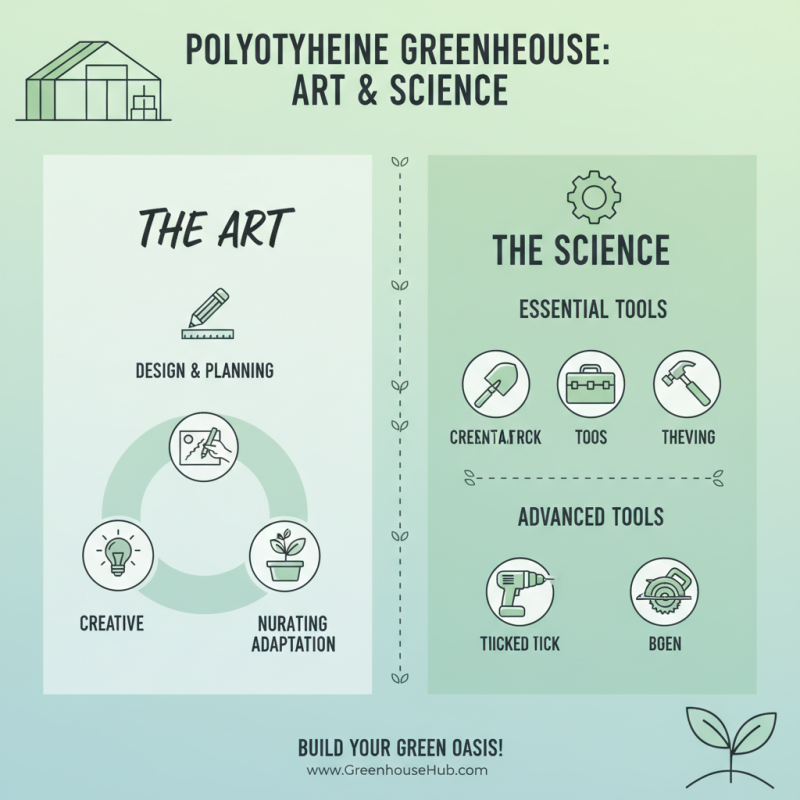
Building a polyethylene greenhouse is both an art and a science. For successful construction, having the right tools and equipment is vital. To get started, you'll need basic tools like a shovel, hammer, and measuring tape. These essentials help with groundwork and framework assembly. Advanced tools, such as power drills and circular saws, can make cutting and assembling more efficient.
Construction typically utilizes polyethylene film, which is lightweight and budget-friendly. According to industry reports, polyethylene can increase plant growth rates by around 25% compared to traditional materials. Many gardeners prefer this option because it allows for maximum light penetration. When constructing the greenhouse, ensure you have long-lasting poles and connectors to support the structure. Using UV-stabilized polyethylene can prolong its lifespan against wear.
**Tip:** Regularly check for any tears or holes in the polyethylene. Even small imperfections can lead to significant temperature fluctuations inside the greenhouse.
Before starting your project, consider the layout of your garden. Take into account sunlight exposure and wind direction. Not every greenhouse suits every garden, and a misplaced structure can affect your plants' growth.
**Tip:** Use stakes to mark the corners of your greenhouse. This will give you a visual guide as you lay out the framework. Adjustments are easier to make during the planning phase than after construction begins.
Step-by-Step Guide to Assembly: From Foundation to Covers
Building a polyethylene greenhouse can be an exciting project for any gardening enthusiast. Start with a solid foundation. A level base is essential for stability. Consider using treated wood or concrete blocks to outline the structure. Measure carefully to avoid an uneven design. It’s easy to overlook details during this stage. Measure twice to ensure accuracy.
Next, assemble the frame. Use metal or PVC pipes for durability. This stage requires patience. Secure all joints tightly; loose connections can lead to collapse under pressure. Once the frame is complete, it's time to add the polyethylene cover. Choose a good quality material to protect your plants. Remember, leave room for ventilation. Too much humidity can be harmful.
As you complete the assembly, reflect on your work. Did you make the frame strong enough? Are the covers taut and secure? Mistakes are part of the process, and they can teach valuable lessons. Every project has imperfections, and this one is no different. A few gaps in the cover might need patching later. Embrace the learning curve, and enjoy the journey of creating your greenhouse.
Polyethylene Greenhouse Construction Elements
Maintenance Practices for Longevity and Efficiency of Greenhouses
Maintaining a polyethylene greenhouse requires consistent effort and attention to detail. Regularly check for tears or punctures in the polyethylene material. Even small holes can lead to significant heat loss. Use tape to cover minor damage, but replace the entire panel if it’s severely compromised. Keep an eye on the seams, as they can weaken over time.
Humidity control is crucial. Without proper airflow, mold and mildew can thrive. Consider installing vents or fans to enhance circulation. Mistakes happen; sometimes condensation builds up faster than expected. Don't ignore it. Adjusting your watering schedule can help maintain proper humidity levels.
Cleaning is another essential practice. Dust and algae can accumulate on the panels, blocking sunlight. A simple mixture of water and mild soap can work wonders. It’s easy to forget this step, but neglecting it can impact plant growth. Reflect on your current routine and find ways to enhance these practices for a thriving greenhouse.
How to Build a Polyethylene Greenhouse for Your Garden? - Maintenance Practices for Longevity and Efficiency of Greenhouses
| Aspect |
Details |
| Material Used |
Polyethylene film (UV-resistant) |
| Structure Type |
Hoop-style or Gothic design |
| Foundation |
Wooden frame or concrete blocks |
| Ventilation |
Roof vents and side openings |
| Heating Method |
Electric heater or passive solar gain |
| Watering System |
Drip irrigation system |
| Cleaning Frequency |
At least twice a year |
| Pest Control |
Integrated Pest Management (IPM) |
| Seasonal Preparation |
Inspect structure, replace damaged film |