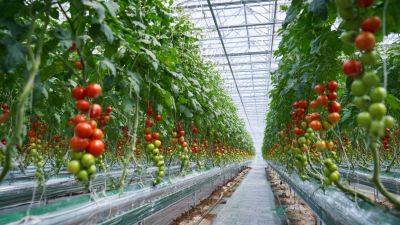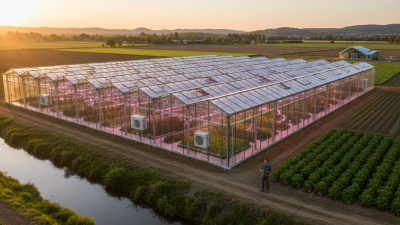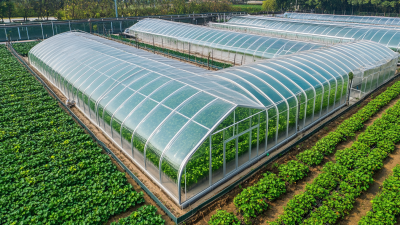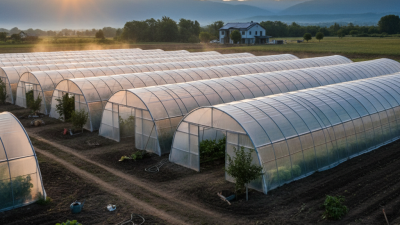
In today's rapidly changing agricultural landscape, businesses are seeking innovative solutions to enhance productivity. Agricultural greenhouses have emerged as a game-changer for many. These structures provide a controlled environment, allowing farmers to grow crops more efficiently.
Investing in agricultural greenhouse solutions can significantly increase yields. Growers can extend their growing seasons, protect plants from harsh weather, and reduce pest problems. The reliability of these systems is evident in their widespread adoption, as more businesses recognize their benefits.
However, implementing these solutions is not without challenges. Initial costs can be high, and proper maintenance is essential. Farmers must also consider local climate conditions and crop choices. An informed decision can yield fruitful results, making agricultural greenhouses a worthy consideration for future farming endeavors.
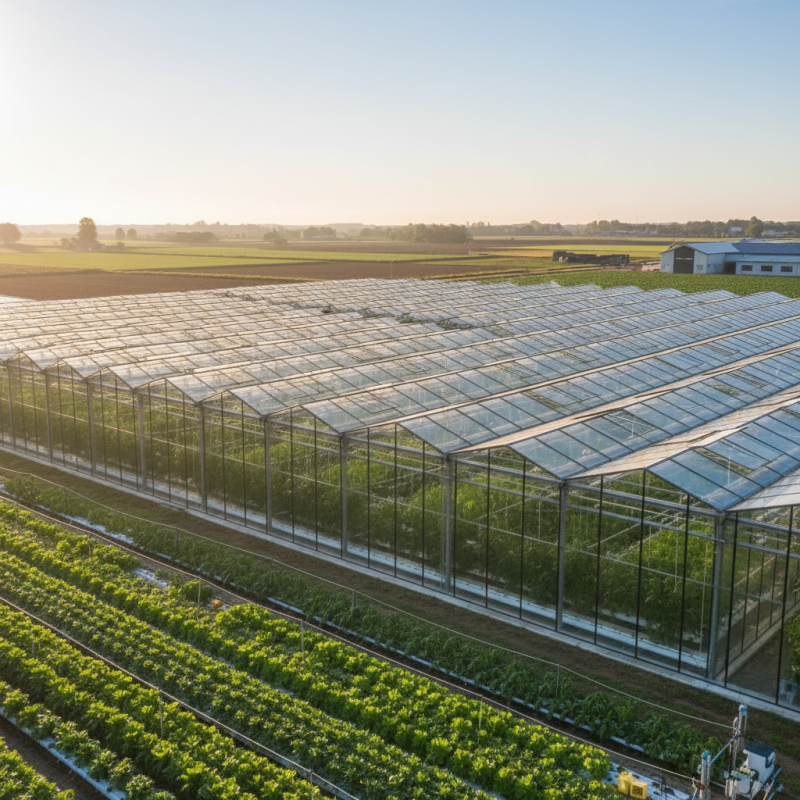
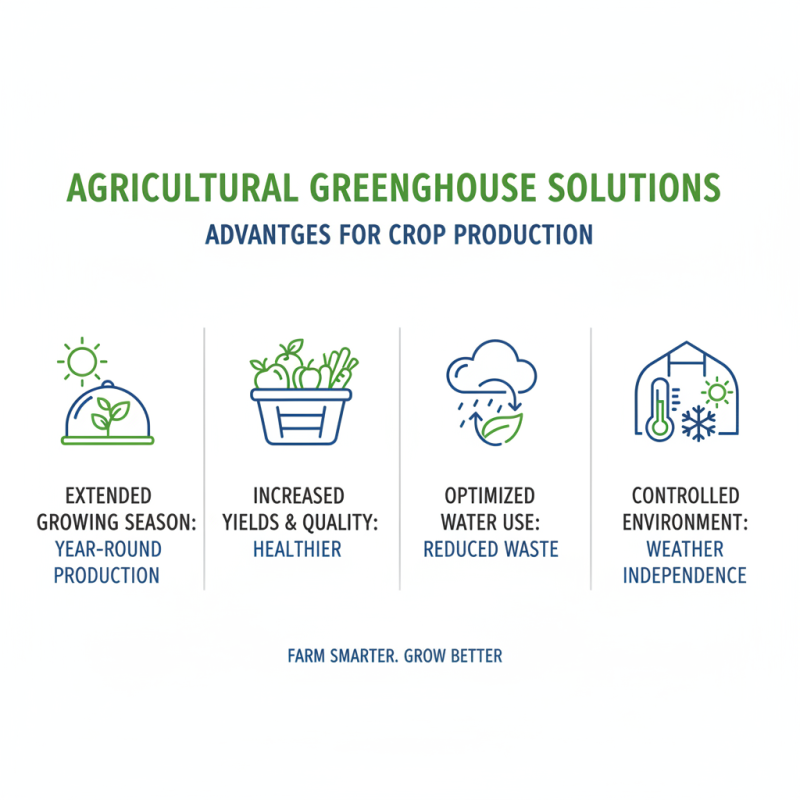
Agricultural greenhouse solutions offer numerous advantages for crop production. These controlled environments allow farmers to extend the growing season. Plants can thrive year-round, regardless of external weather conditions. This results in higher yields and better-quality crops. Optimized irrigation systems within these structures reduce water waste and promote healthy plant growth.
The use of greenhouses also improves pest management. Beneficial insects can be introduced to naturally control pests. This approach minimizes the need for harmful pesticides. However, managing the environment can be challenging. Overheating and humidity levels require careful monitoring. Growers must regularly assess their systems to make necessary adjustments.
Additionally, choosing greenhouse solutions involves upfront costs. Equipment and installation fees can be significant. Yet, the long-term benefits often outweigh the initial investment. There may be a learning curve for new growers. Experimentation is key to maximizing yields. With dedication and attention, agricultural greenhouse solutions can revolutionize crop production.
When choosing agricultural greenhouse solutions, several factors can influence successful design and implementation. Understanding local climate conditions is essential. It impacts temperature control, humidity, and light regulation. These elements directly affect plant growth and yield. Conducting a thorough site assessment helps identify the most suitable greenhouse structure.
Design flexibility is another crucial consideration. A greenhouse should adapt to various agricultural practices. Modular designs allow for adjustments based on changing needs. Incorporating advanced technology, such as automated climate control systems, enhances efficiency. However, this technology requires training and maintenance. A knowledgeable team can bridge this gap.
Budget constraints can pose challenges. Cheap materials may lead to higher long-term costs. Investing in quality resources often pays off. Additionally, ongoing support and maintenance should not be overlooked. Regular upkeep prevents issues that could disrupt plant health. The right strategy combines thorough planning with adaptability. Exploring all options fosters a balanced approach to greenhouse management.
Agricultural greenhouses offer significant environmental benefits that contribute to sustainability. They create controlled environments for crops, allowing for higher yields with fewer resources. This efficiency minimizes water usage, as greenhouses can reduce evaporation and runoff. As a result, farmers can grow more food while conserving vital water supplies.
The carbon footprint of traditional farming is often substantial. However, greenhouses can mitigate this impact. They enable year-round production, which reduces the need for long-distance transportation. Cultivating crops closer to consumers cuts down fuel consumption and related emissions. This localized approach fosters a more sustainable food system.
Many may overlook the potential challenges of greenhouse farming. Initial setup costs can be high, and not all plants thrive in these conditions. Some farmers struggle to maintain optimal climate control and pest management. These challenges must be addressed if we want to maximize the environmental benefits of agricultural greenhouses. Thoughtful planning and ongoing education can ensure these solutions are both effective and sustainable.
| Benefit | Description | Impact on Sustainability |
|---|---|---|
| Water Conservation | Greenhouses reduce water usage through controlled irrigation systems and reduce evaporation losses. | Promotes efficient use of water resources, essential in regions facing drought. |
| Reduced Pesticide Use | Greenhouses provide a controlled environment that can minimize pests and diseases. | Contributes to healthier ecosystems and reduces chemical runoff. |
| Extended Growing Seasons | Allows for year-round production by regulating temperature and humidity. | Supports local economies by providing consistent supply of produce. |
| Soil Health Improvement | Minimizes soil erosion and degradation through controlled planting conditions. | Enhances soil fertility and long-term agricultural productivity. |
| Carbon Footprint Reduction | Greenhouses can be designed to utilize renewable energy sources, reducing reliance on fossil fuels. | Aids in climate change mitigation strategies. |
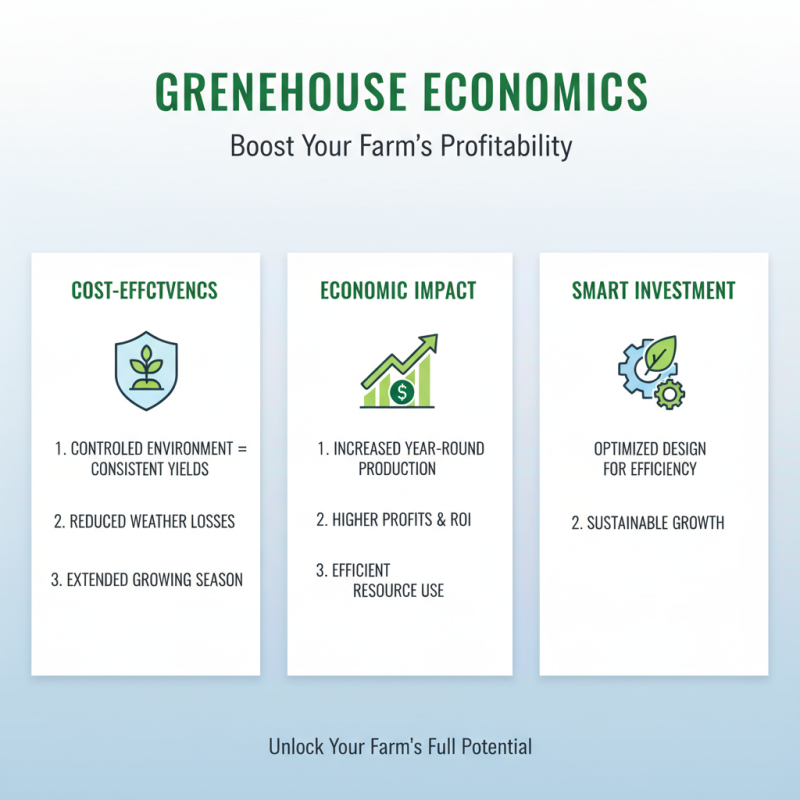
Investing in agricultural greenhouse solutions can be a game-changer for businesses in the farming sector. Greenhouses control the environment, allowing for year-round production. This ensures consistent yields and minimizes losses from unpredictable weather. The ability to extend the growing season can significantly boost profits. Smart design choices can maximize efficiency and productivity without excessive cost.
The economic impact of greenhouse operations is substantial. Initial investments might seem high, but the long-term savings and profits often outweigh these costs. With reduced pesticide use and optimized water consumption, greenhouses promote sustainable practices. However, energy costs for heating and cooling can pose challenges. Businesses must carefully strategize to balance these expenses while maximizing output.
Some might find the transition daunting. Adopting new technology and practices requires time and adjustment. Training staff and ensuring quality control are vital yet often overlooked aspects. Reflecting on these challenges can lead to more resilient and adaptive practices in the long run. Embracing greenhouse solutions means continuously learning and improving while navigating the complexities of modern agriculture.
Agricultural greenhouses are evolving rapidly. Technological innovations have unlocked new levels of efficiency. Controlled environments allow for maximizing crop yields, even in challenging climates. Advanced climate control systems, such as automated ventilation and heating, significantly enhance plant growth conditions. LED lighting technology supports photosynthesis while minimizing energy consumption.
Investing in smart sensors can optimize water usage. These sensors monitor soil moisture in real-time. They provide data to prevent over- or under-watering. Efficient irrigation saves resources and ensures the health of your plants.
Another important innovation is precision farming. Drones and imaging technologies help monitor crop health. They detect early signs of disease or nutrient deficiencies. This proactive approach reduces waste and increases productivity.
Tip: Regularly review your technology to ensure it meets your business needs. Consider scalable solutions that can adapt as your greenhouse grows.