Why Choose a Nursery Greenhouse for Your Plants Growth?
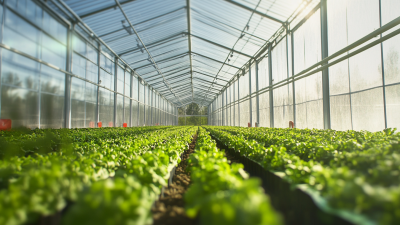
In recent years, the demand for healthy, thriving plants has increased. Home gardeners and commercial growers alike are looking for effective solutions. A Nursery Greenhouse offers a controlled environment to nurture plants from seedlings to maturity.
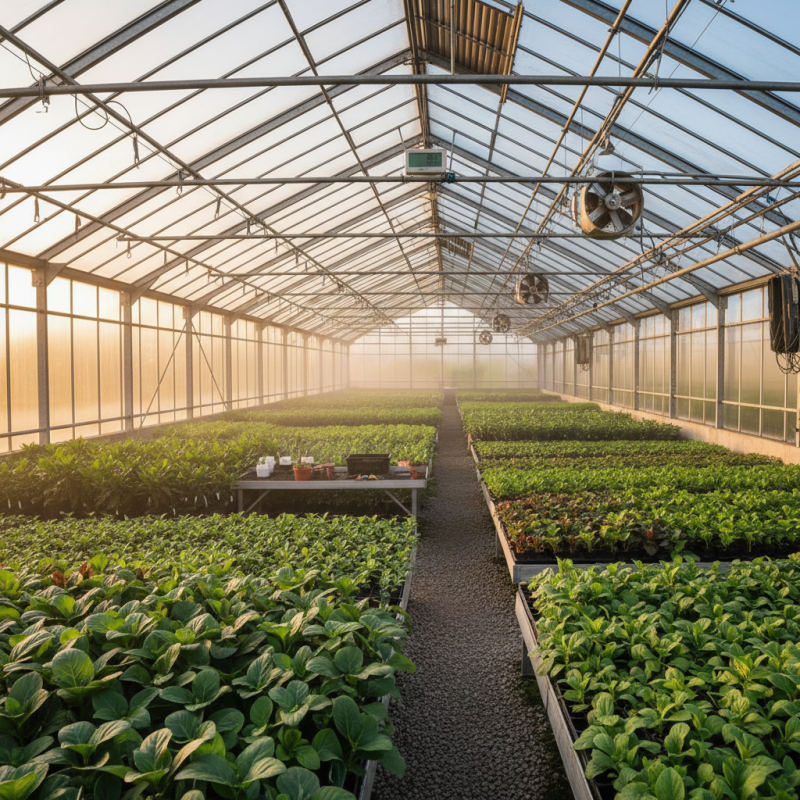
With consistent temperature and humidity levels, plants grow more vigorously. The controlled space protects them from harsh weather and pests. Inside a Nursery Greenhouse, light is optimized for growth, making photosynthesis more efficient. This leads to healthier plants with richer colors and stronger structures.
Yet, not all greenhouses are created equal. Some may lack proper ventilation or space. It’s crucial to assess your needs. A Nursery Greenhouse can be a worthwhile investment, enhancing your gardening experience. However, understanding its requirements and potential limitations is essential. Balancing your enthusiasm with realistic plans can lead to success.
Benefits of a Nursery Greenhouse for Optimal Plant Growth
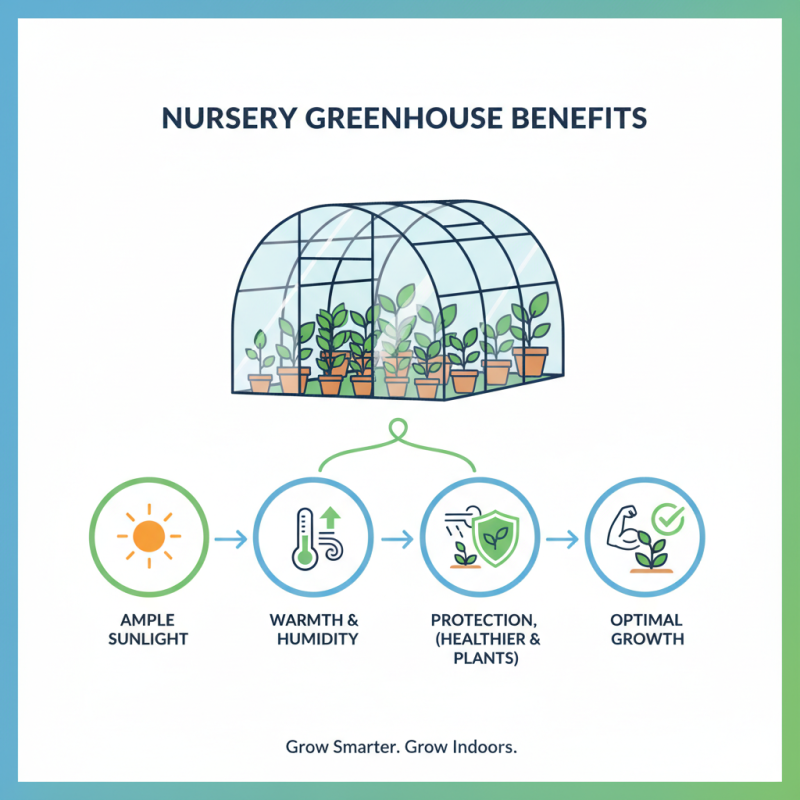
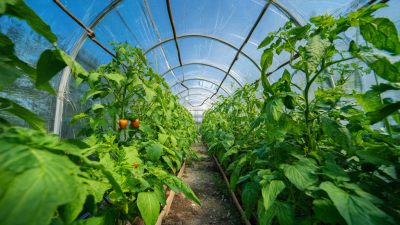
A nursery greenhouse provides an ideal environment for nurturing plants. This controlled space offers ample sunlight, warmth, and humidity. Plants thrive better here than in unpredictable outdoor conditions. The enclosed setting protects them from harsh weather and pests. These factors contribute to stronger, healthier plants.
Growing in a nursery greenhouse also allows for more precise care. You can regulate temperature and moisture levels easily. This means less risk of overwatering or drying out plants. It offers opportunities for experimenting too. However, managing these variables can be challenging. One must pay close attention to changes.
Another benefit is the extended growing season. You can start plants earlier in spring and continue later in fall. Still, it requires additional planning and sometimes adjustments. This space encourages creativity and innovation in gardening. A nursery greenhouse can transform how you grow your plants, leading to more fruitful outcomes.
Key Features of Nursery Greenhouses that Enhance Plant Care
Nursery greenhouses serve as vital environments for plant growth, providing temperature control and protective barriers. These structures can boost growth rates by up to 30%, according to research from the American Society for Horticultural Science. Maintaining optimal humidity levels and reducing pests are just two of the essential features. A nursery greenhouse can create a microclimate where plants can thrive. Many growers report that plants grown in greenhouses exhibit stronger root systems and healthier foliage.
The ventilation systems in nursery greenhouses are designed to manage airflow effectively. Proper ventilation can enhance natural pollination and control humidity levels. However, it can be a delicate balance. Over-ventilation can lead to temperature drops that may shock plants. A study from the Journal of Horticultural Research indicated that temperature fluctuations can stress plants, reducing yields.
Lighting is another crucial aspect. With supplemental lighting, plants receive the energy they need for photosynthesis, especially in winter months. A report from the National Agricultural Statistics Service noted that plants under controlled lighting conditions could grow 20% faster than in traditional gardens. However, choosing the right light spectrum is not straightforward, and growers can struggle to find the optimum settings. Awareness of these complexities can profoundly impact plant health and overall growth success.
Why Choose a Nursery Greenhouse for Your Plants Growth? - Key Features of Nursery Greenhouses that Enhance Plant Care
| Feature |
Description |
Benefits |
| Temperature Control |
Allows regulation of internal temperature through heating and ventilation systems. |
Promotes optimal growth conditions for various plants year-round. |
| Humidity Regulation |
Maintains appropriate moisture levels inside the greenhouse. |
Reduces plant stress and prevents diseases caused by humidity fluctuations. |
| Light Management |
Uses translucent materials to optimize natural light penetration while filtering harmful rays. |
Ensures plants receive adequate light for photosynthesis without overheating. |
| Pest and Disease Control |
Isolates plants from external pests and diseases. |
Enhances plant health and reduces the need for chemical pesticides. |
| Soil and Water Management |
Provides systems for efficient irrigation and soil management. |
Promotes healthy root development and minimizes water wastage. |
Temperature and Humidity Control in Nursery Greenhouses
A nursery greenhouse provides the ideal environment for plant growth. One of its key benefits is temperature control. Plants require specific temperatures to thrive. Extreme highs or lows can stunt their growth. In a greenhouse, you can maintain a steady climate. This stability leads to healthier plants.
Humidity control is equally important. Plants release moisture through transpiration. High humidity can encourage disease, while low humidity can cause dehydration. A nursery greenhouse allows for adjustments to humidity levels. Using tools like hygrometers and humidifiers can help achieve balance.
Tips for maintaining humidity: Ensure proper ventilation to avoid moisture buildup. Regularly check humidity levels. If the air is too dry, mist your plants or add a humidity tray. Remember, every plant species has different humidity needs. It's essential to research what works best for your plants.
Temperature and Humidity Control in Nursery Greenhouses
This bar chart illustrates the optimal conditions for temperature, humidity, CO2 levels, and growth rate in nursery greenhouses, highlighting the importance of maintaining these parameters for plant growth.
Pest Management Solutions in a Nursery Greenhouse Environment
Managing pests in a nursery greenhouse can be challenging. Greenhouses provide a controlled environment, ideal for plant growth. However, this also creates a perfect setting for pests. Aphids, whiteflies, and spider mites can thrive here.
Biological pest control is one effective method. Introducing beneficial insects like ladybugs can reduce pest populations. Handpicking larger pests can be tedious, but it helps maintain control. Regular monitoring is essential. You may miss a small infestation if you're not careful.
Chemical solutions are another option, but they come with risks. They might harm beneficial insects or pollinators. Natural repellents can be a safer choice. Neem oil and garlic sprays deter pests without harsh chemicals. Finding the right balance is crucial. Too much reliance on one method can lead to pest resistance. Each greenhouse has unique challenges, and adapting your approach is vital.
Cost-Effectiveness of Using Nursery Greenhouses for Plant Production
Using nursery greenhouses for plant production presents significant cost-effectiveness. According to the American Society for Horticultural Science, greenhouses can increase plant growth rates by 30% to 50%. This accelerated growth can lead to earlier harvests and increased revenue. Additionally, greenhouse environments optimize resource use, like water and nutrients. By reducing waste and increasing yield, nurseries can maintain lower operational costs.
Moreover, data from the National Gardening Association indicates that nurseries equipped with greenhouses often report up to 60% higher profits compared to those relying solely on outdoor cultivation. This profitability stems from controlled conditions, which protect plants from pests and extreme weather. However, the initial investment in greenhouse structures can be substantial. Some growers may underestimate ongoing maintenance costs, leading to financial strain.
The market's growth potential for greenhouse production is also noteworthy. A report by Grand View Research reveals that by 2025, the global greenhouse market is expected to reach $43 billion. Understanding the balance between investment and return is crucial. While nursery greenhouses offer promising benefits, growers must carefully assess their financial strategies to avoid pitfalls. Overlooking operational challenges could diminish the anticipated benefits of greenhouse cultivation.