How to Choose the Best Industrial Greenhouse for Your Needs?
Choosing the best Industrial Greenhouse can be a daunting task. With various options available, making the right decision is crucial for success. John Smith, an industry expert, states, "Selecting an Industrial Greenhouse requires careful consideration of your unique needs." His insight emphasizes the importance of aligning greenhouse features with your specific goals.
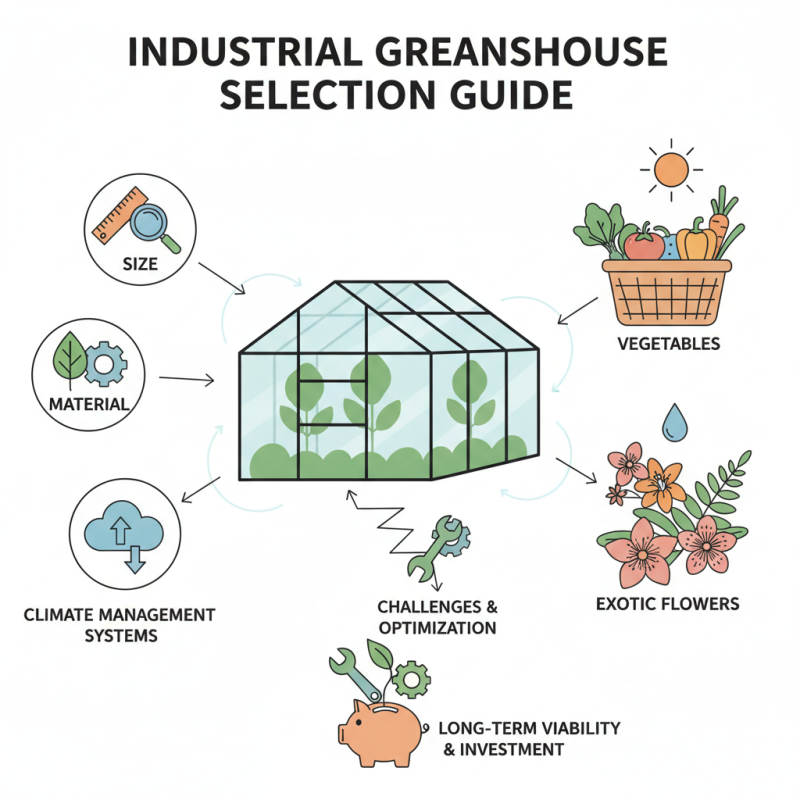
When exploring your choices, you should evaluate factors like size, material, and climate management systems. Different plants have varying requirements. An ideal greenhouse must cater to these differences. For instance, a greenhouse that works for vegetables might not suit exotic flowers. Understanding these nuances can save time and resources in the long run.
It's important to remember that not every solution is perfect. You might encounter challenges when optimizing your greenhouse. Assessing the long-term viability of your investment can also require adjustments. Reflecting on these aspects ensures you make an informed choice, ultimately enhancing your success in the Industrial Greenhouse industry.
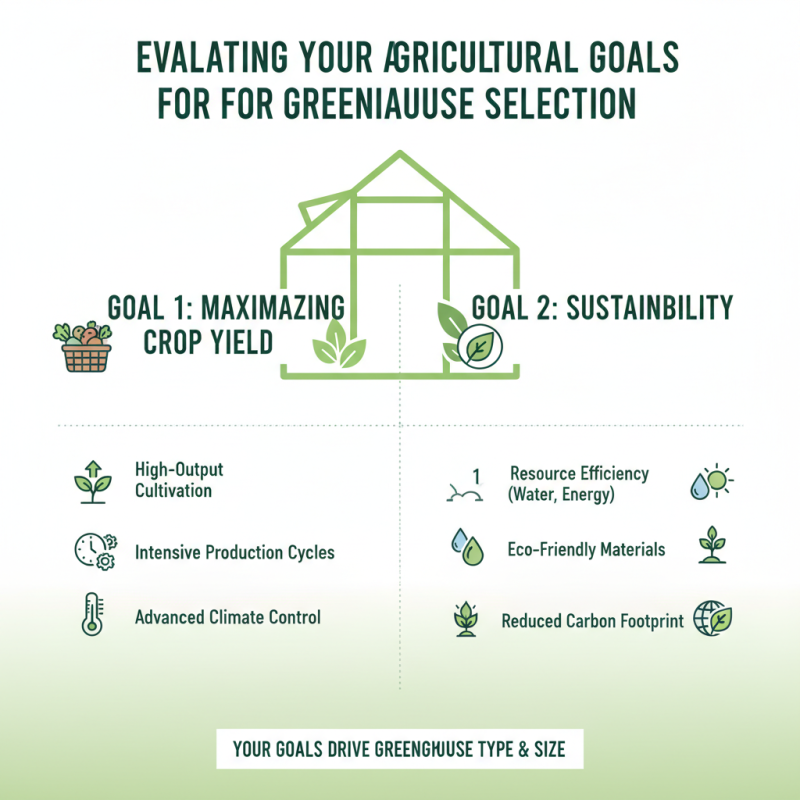
Evaluating Your Specific Agricultural Goals for Greenhouse Selection
When choosing an industrial greenhouse, your specific agricultural goals are crucial. Understanding what you aim to achieve can significantly influence your selection process. Are you focusing on maximizing crop yield, or is sustainability your primary concern? These goals will guide you in determining the right type and size of greenhouse.
Consider the environment where your greenhouse will be located. The climate plays a vital role in what crops can be grown successfully. You may need to select a structure that offers adequate ventilation, humidity control, and temperature regulation. Don’t ignore local weather patterns, as they can impact the efficiency of your greenhouse more than you think.
Sometimes, a certain design may look appealing but fail to meet your needs. Reflect on past experiences or consult with experts in the field. Evaluate what worked and what didn’t. Make a list of essential features, like irrigation systems and automated controls. This self-assessment can clarify your priorities and lead to a more informed final decision.
Understanding Different Types of Industrial Greenhouses Available
When selecting an industrial greenhouse, understanding the available types is crucial. Each type serves unique purposes and has specific requirements.
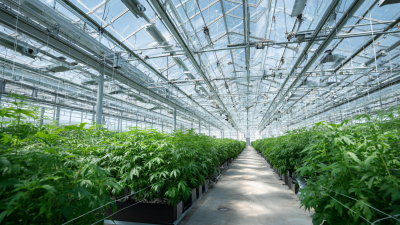
Traditional glass greenhouses offer excellent sunlight exposure. They are ideal for high-value crops. However, they can be costly and require extensive maintenance.
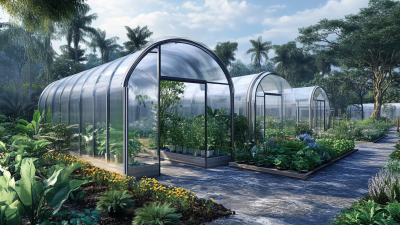
On the other hand, hoop houses present a more affordable option. They are easy to set up and maintain. These structures use plastic covering, which allows for good light transmission. Yet, their lifespan may be shorter compared to glass greenhouses. Consider factors like climate and crop types when choosing. A hoop house may not thrive in extreme conditions.
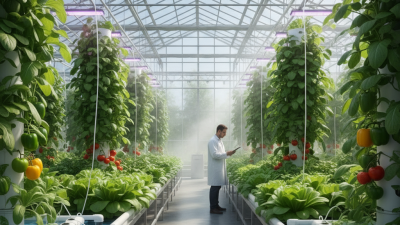
Lastly, consider climate-controlled greenhouses. These greenhouses enable year-round growing. They rely on technology to regulate temperature and humidity. While they provide consistent conditions, initial costs can be high. Reflect on the operational costs versus potential yields. Selecting the right type requires careful consideration of your specific needs and limitations.
Assessing Climate Control and Environmental Management Features
Choosing the right industrial greenhouse requires careful consideration. One crucial aspect is climate control. Effective management of temperature, humidity, and light levels ensures optimal growth conditions for your plants. Greenhouses should have ventilation systems to prevent overheating. Automated controls can simplify this process.
Another key feature is environmental management. It's essential to assess water management and irrigation systems. Efficient water usage is vital for sustainability. Some greenhouses come equipped with rainwater harvesting systems. This feature can significantly reduce operational costs. Monitoring systems can help you track water usage and plant health.
However, it's crucial to remember that not all features may suit your specific needs. A greenhouse designed for tropical plants may not work well in a cooler climate. Consider your local conditions before making a decision. Evaluate the balance between technology and manual control. Finding the right fit requires thoughtful reflection on your unique requirements.
Analyzing Material Options for Durability and Efficiency
When selecting an industrial greenhouse, material options can significantly impact durability and efficiency. Common materials include polyethylene film, polycarbonate, and glass. Each has its advantages and disadvantages. For instance, polyethylene is lightweight and cost-effective but may need replacement every few years. Polycarbonate is durable but can be more expensive upfront. Glass offers excellent light transmission and lifespan but will require stronger structural support.
Considering your climate is essential. In areas with heavy snowfall, sturdy materials that can bear weight are crucial. Conversely, regions with extreme heat might benefit from materials that reflect sunlight to reduce heat buildup. Additionally, consider the environmental impact of the materials. Some options are recyclable, which may align with sustainability goals.
It’s also essential to think about initial installation costs and long-term maintenance. Some materials might be appealing for their initial price but could lead to more expenses over time due to upkeep or replacement needs. Research case studies to see how others managed these challenges. You can benefit from their experiences, learning what worked and what didn’t. This approach fosters a better decision-making process for your industrial greenhouse project.
How to Choose the Best Industrial Greenhouse for Your Needs? - Analyzing Material Options for Durability and Efficiency
| Material |
Durability (years) |
Efficiency (Thermal Performance) |
Cost ($ per sq ft) |
Maintenance Level |
| Polycarbonate |
10-25 |
High |
7-10 |
Low |
| Glass |
20-30 |
Very High |
15-25 |
Medium |
| Polyethylene |
5-10 |
Medium |
5-8 |
Low |
| Fiberglass |
15-20 |
High |
10-15 |
Medium |
| Steel Frame with Cover |
20-40 |
High |
12-18 |
Medium |
Budget Considerations and Long-Term Investment Strategies
When selecting an industrial greenhouse, budget considerations are crucial. Determine your initial investment capacity. This will shape your options significantly. A high-quality greenhouse may require a larger upfront cost, but can lead to savings over time. Cheaper alternatives might appear appealing but can result in frequent repairs or replacements, impacting long-term profitability.
Consider long-term investment strategies. A well-built greenhouse enhances productivity and reduces operational costs. Evaluate energy-efficient features like insulation and climate control systems. These factors often lead to significant savings on utilities. Investing in durable materials might seem costly initially, yet they can minimize future expenses.
Reflect on potential hidden costs, like maintenance and utilities. Will your greenhouse meet future production demands? Choose a design that allows for easy expansion. Staying flexible in your approach is essential. Prioritize your needs and align them with your financial capacity to make a wise decision. Balancing budget constraints with potential returns will guide you in the right direction.