How to Choose the Best Multi Span Greenhouse for Your Needs?
When selecting the best Multi-Span Greenhouse, expert Richard Thompson emphasizes, "Understanding your specific needs is crucial." Multi-Span Greenhouses can enhance your cultivation efforts significantly. They offer ample space, improved climate control, and increased production potential. However, choosing one is not a straightforward task. Factors such as size, materials, and environmental conditions must be considered.
Consider your growing goals. Are you aiming for commercial production or personal gardening? Your requirements will greatly influence the type of Multi-Span Greenhouse you should select. Additionally, the climate in your region plays a key role in your decision. Thompson warns, "Ignoring local weather trends can lead to poor growing conditions."
Furthermore, reflect on your budget and maintenance capabilities. Some structures might require more upkeep than others. A well-chosen greenhouse can be a powerful tool; a poorly chosen one can lead to frustration. Take the time to research and envision how a Multi-Span Greenhouse will fit into your gardening plans. The right choice can transform your growing experience.
Understanding Multi Span Greenhouses and Their Benefits
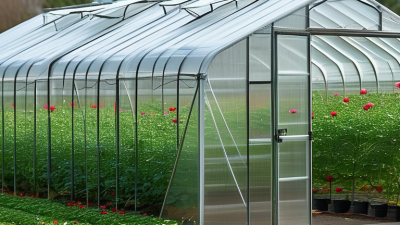
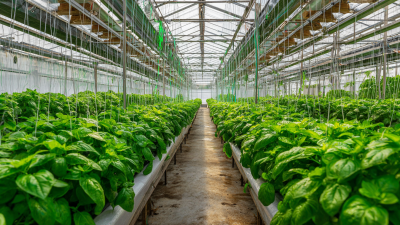
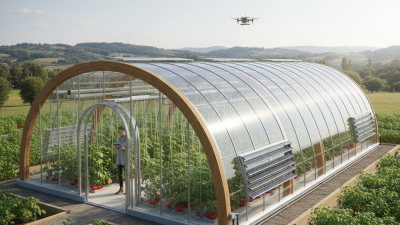
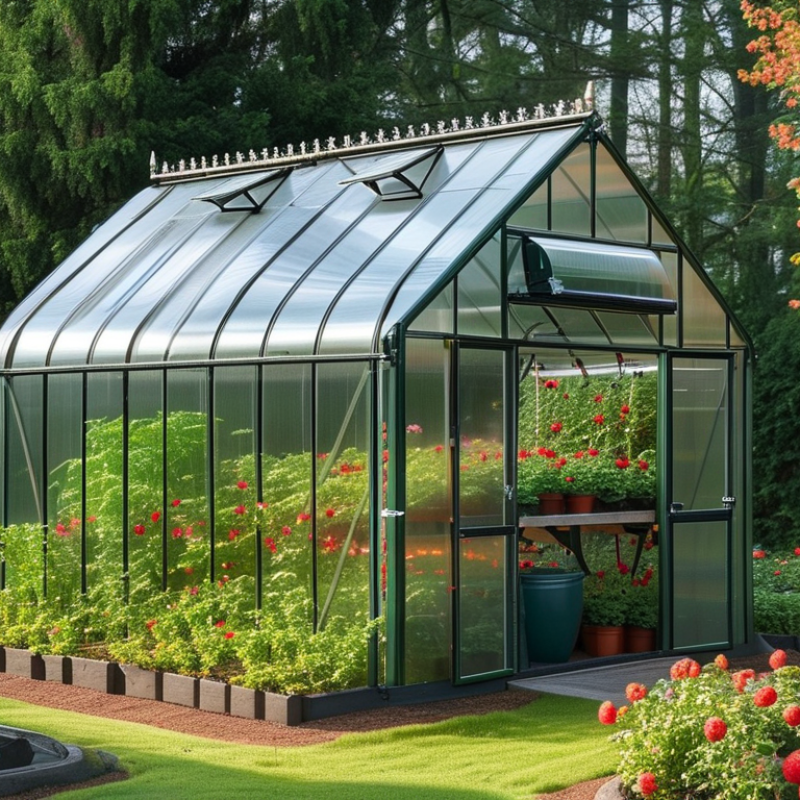
Multi span greenhouses provide extensive advantages for both amateur and professional growers. These structures maximize growing space with multiple contiguous sections. This design allows for better air circulation and reduces pest intrusion. The reinforced frames can withstand harsh weather conditions. Choosing the right materials is crucial; polycarbonate and polyethylene are popular for their insulating properties.
Understanding the benefits of multi span greenhouses helps in making informed decisions. They offer greater energy efficiency, minimizing heating costs in colder months. Moreover, the larger space allows for improved crop diversity. Gardens can transition from seasonal vegetables to tropical plants, expanding the growing season. However, initial costs may be higher than simpler structures. It's essential to evaluate long-term benefits against immediate expenses.
Experience shows that the layout and size matter significantly. A greenhouse must fit your garden's unique conditions. Poor placement can lead to inadequate sunlight exposure. Remember that maintenance is key; regular inspections can enhance durability. While multi span greenhouses are tools for success, they require thoughtful planning and upkeep.
Key Factors to Consider When Choosing a Multi Span Greenhouse
When choosing a multi span greenhouse, several key factors come into play. One important consideration is the greenhouse's size. Think about the space available and your growing needs. A larger greenhouse allows for greater crop diversity. However, it also demands more resources and maintenance. Sometimes, less can be more when starting small.
Another aspect to consider is the material used in construction. Polycarbonate panels are lightweight and provide excellent insulation. Glass is elegant but can be heavier and more fragile. Your choice will directly impact the durability and temperature control within the greenhouse. Evaluate local weather conditions, too. Heavy snowfall or intense sun may require additional reinforcement or shading.
Ventilation is often overlooked but crucial for plant health. Proper airflow prevents diseases and ensures optimal growth. Consider incorporating automatic vents that open and close based on temperature. Also, assess the accessibility for both yourself and equipment. Is there enough room to move comfortably? A well-thought-out design can save time and effort later. Reflect on these factors and adapt your plans as needed.
Evaluating Material Options for Multi Span Greenhouse Construction
When constructing a multi-span greenhouse, choosing the right materials is crucial. The structure's longevity, efficiency, and overall effectiveness depend on this decision. Common materials include aluminum, steel, and various polycarbonate or glass options. Aluminum is lightweight and resistant to corrosion, while steel offers strength and durability. Each has its strengths and weaknesses that must be considered.
It’s essential to evaluate the climate where the greenhouse will be located. For example, glass may provide stunning visibility but can result in high energy costs for heating. Polycarbonate offers insulation and is less prone to breakage. However, its longevity may not match that of glass.
Consider the construction budget and long-term goals. A more expensive initial investment can lead to savings over time through energy efficiency and fewer repairs. Be mindful of the environmental impact of your materials. Opting for sustainable options can enhance your credibility as a responsible grower.
Temperature control is key for plant health. Some materials retain heat better than others. Should you choose a material with lower insulation properties, be aware that it may require additional climate control systems. Analyze the trade-offs carefully. The decision will significantly affect both your plants and your wallet.
Assessing Climate and Environmental Conditions for Greenhouse Use
When choosing a greenhouse, climate plays a significant role. Understanding your local environment is crucial. Different plants require specific temperature and humidity levels. If you live in a colder area, you may need a greenhouse designed to retain warmth. A well-insulated structure can make a difference. It can significantly enhance plant growth during winter months.
Consider the amount of sunlight in your area. Some regions experience long hours of sunlight, while others may have shaded days. This affects plant growth proportions. Selecting a greenhouse that allows for adjustable shading can help. It can provide necessary protection from harsh rays. Be mindful that excessive heat can stress plants.
Soil richness and local pests are other factors to evaluate. Soil quality impacts plant health. Testing your soil can be insightful. Consider building beds within the greenhouse to manage soil better. Local pests can also affect plant choice and management strategies. Employing biological pest control can be a sustainable approach. Reflecting on these elements can lead to a better greenhouse selection. Your specific climate considerations will enhance your growing success.
Budgeting and Cost Analysis for Your Multi Span Greenhouse Project
When budgeting for a multi span greenhouse, several factors must be carefully considered. The initial investment can vary greatly. You should assess the size and materials needed. Consider using affordable yet durable materials to help control costs. A well-planned layout can also reduce expenses related to installation and maintenance.
Ongoing costs should not be overlooked. Utilities, such as water and electricity, are essential. Researching your local climate will provide insight into heating and cooling needs. These can significantly impact your monthly bills. You want a greenhouse that is efficient yet flexible enough to meet your future requirements.
Consider the hidden costs. Installation might require permits or additional labor. Ensure to factor in transportation fees for materials. Often, this will catch first-time buyers off guard. It's critical to set aside a contingency fund for unanticipated expenses. Each decision shapes your investment, from purchasing decisions to long-term operational costs. Reflecting on these will improve your overall budgeting strategy.