How to Choose the Best Single Span Greenhouse for Your Needs?
Choosing the right Single Span Greenhouse for your gardening needs can feel overwhelming. With so many options available, understanding your unique requirements is crucial. A Single Span Greenhouse offers distinct advantages, such as efficient space utilization and ease of maintenance. However, not all models are the same.
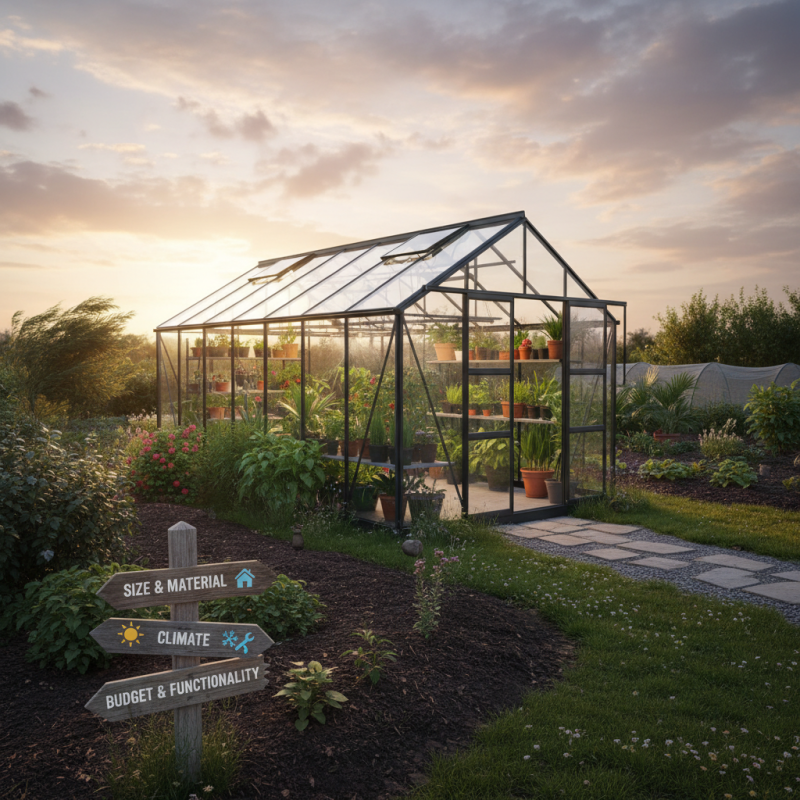
Consider factors like size, material, and climate. Each of these elements plays a significant role in the performance of your greenhouse. For instance, a durable frame can withstand harsh weather conditions. This is especially important in regions with extreme temperatures.
Budget is another aspect to reflect on. It’s easy to get swayed by fancy designs or extra features. However, the best choice often balances cost and functionality. Remember, this investment should enhance your gardening experience. Ask yourself what specific needs you have and how a Single Span Greenhouse can meet them. Reflecting on these points can guide you toward the perfect greenhouse for your gardening journey.
Understanding Single Span Greenhouses and Their Benefits
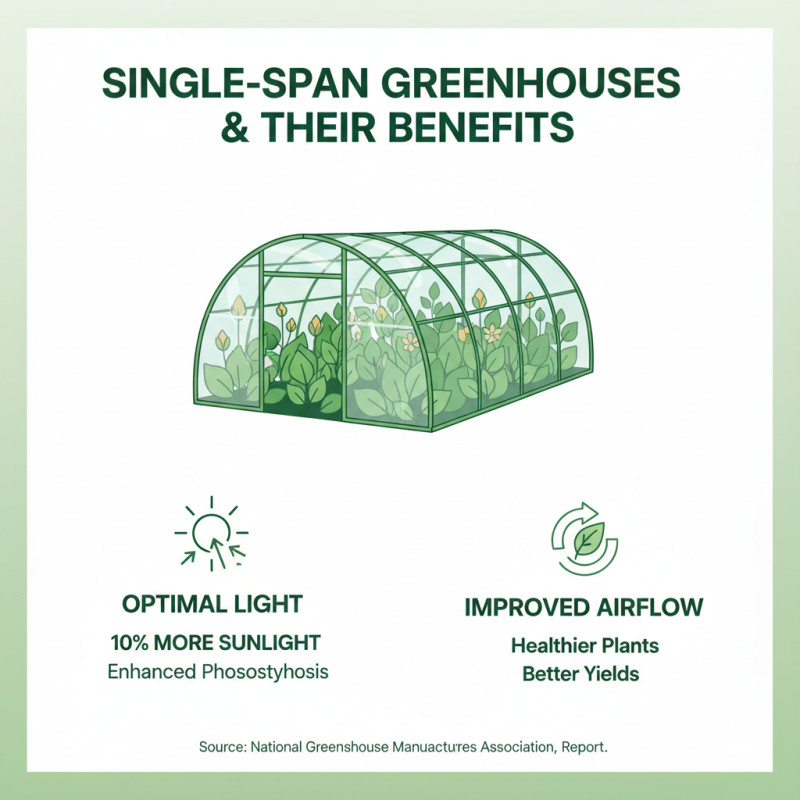
Single span greenhouses offer a range of benefits for plant enthusiasts and commercial growers alike. These structures are characterized by a single, continuous arch, allowing for optimal light penetration and airflow. According to a report from the National Greenhouse Manufacturers Association, single span greenhouses typically enable up to 10% more sunlight into the growing area compared to traditional multi-span models. This enhanced light can significantly boost photosynthesis, leading to healthier plants and better yields.
Furthermore, maintenance is simpler with a single span design. Their structure minimizes complex connections and joints, which can be potential points of failure. The 2022 Greenhouse Technology Report noted a 15% reduction in maintenance costs when using single span greenhouses versus more complex systems. Yet, it's worth considering the trade-offs. These greenhouses may not provide the same level of insulation as multi-span designs, which could be a concern in harsher climates.
When evaluating your needs, you should weigh both the advantages and limitations. Climate adaptability remains critical. While single span greenhouses allow easy ventilation, they might also struggle with temperature control during extreme weather. Understanding these factors can lead you to make a more informed decision about your growing environment.
Identifying Your Specific Gardening Needs and Goals
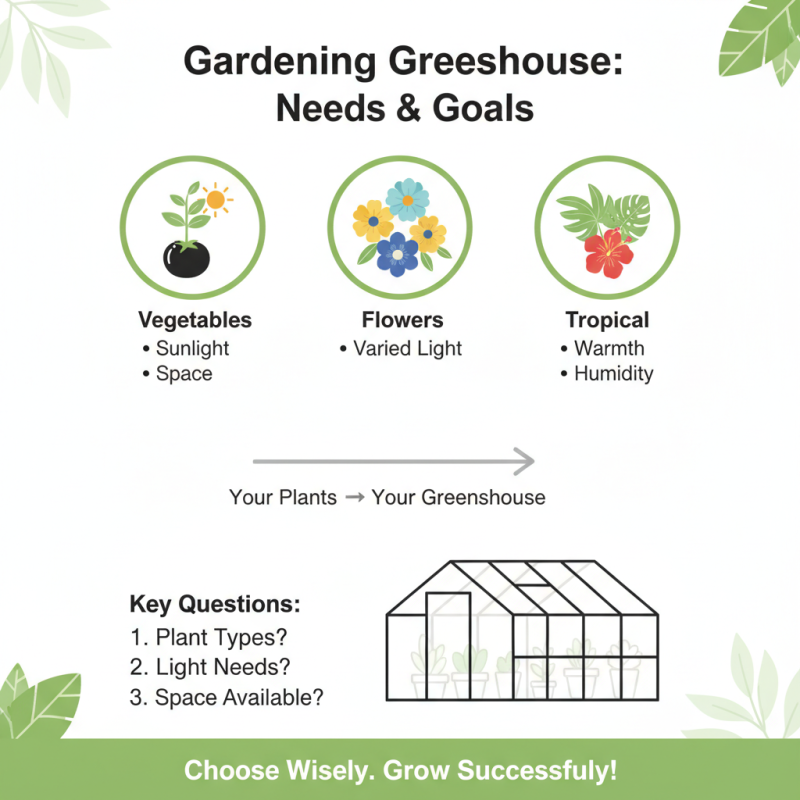
Identifying your specific gardening needs and goals is crucial when choosing a single-span greenhouse. Think about the types of plants you want to grow. Are you interested in vegetables, flowers, or perhaps tropical plants? Each category has different light and space requirements. For example, tomatoes need ample sunlight, while leafy greens may thrive in partial shade. Knowing what you want helps narrow down choices.
Consider your gardening experience. Are you a beginner or an experienced gardener? Beginners may prefer smaller, simpler structures. This reduces the learning curve and minimizes frustration. On the other hand, seasoned gardeners may want a larger space for diverse plants. Reflect on your local climate as well. A greenhouse that suits a hot, dry environment may not work well in a cooler area.
Your budget is also a key factor. Greenhouses can vary greatly in price. You might need to balance features with your financial constraints. It’s okay to admit that you’re not sure which features are essential. Researching common needs can help guide your decision. Think about potential expansions too. Will you want to add shelving or automatic ventilation later? Being realistic about your current and future needs will lead to a more satisfying purchase.
Evaluating Different Materials and Designs for Greenhouses
When selecting a single span greenhouse, material and design are crucial factors. Different materials offer varying levels of durability, insulation, and light transmission. For instance, polycarbonate is lightweight and provides excellent insulation. Glass, on the other hand, allows for maximum light but can be heavier and more fragile. Acrylic can be a middle ground, offering decent insulation and light without the shattering risks of glass.
Design also plays a significant role. A simple arch design can facilitate natural airflow and snow shedding. However, it might not suit all plant types. A gable style, while appealing, could create humidity pockets if not ventilated correctly. Pay attention to the foundation as well. A well-constructed base will enhance stability but requires careful planning and resources.
Consider your local climate and plant needs before making a choice. Do you have enough sunlight in winter? Is your area prone to heavy snow or rain? Reflecting on these questions can lead to a better decision. While it’s tempting to focus solely on aesthetics, long-term functionality should not be overlooked. Each material and design carries its own set of trade-offs, making an informed choice essential.
Considering Climate and Location Factors for Greenhouse Selection
Choosing the right greenhouse can significantly impact your gardening success. When considering climate and location, multiple factors come into play. The temperature, humidity, and sunlight availability all affect plant growth. Understanding your local climate is essential for selecting the correct structure.
Humidity levels in your area are vital. High humidity can promote mold, while low levels might lead to desiccation. A greenhouse with proper ventilation and humidity control is crucial. Research your local weather patterns. This knowledge aids in selecting features that accommodate those conditions.
Tips: Monitor local temperatures. Insulation can keep plants warm in winter. Consider materials that reflect UV light for hot climates. Also, use shades or screens to help manage sunlight intensity.
The greenhouse's orientation also matters. South-facing structures capture more sunlight throughout the day. This positioning can enhance growth rates for many plants. You might need to adjust your greenhouse layout, depending on seasonal light changes. Adaptability to these elements is key for long-term success. Take the time to analyze how your greenhouse will interact with its environment.
Budgeting and Maintenance Planning for Your Greenhouse Choice
When selecting a single span greenhouse, budgeting is essential. Determine how much you can spend initially. Consider both the purchase price and the installation costs. Many people underestimate additional expenses. Things like permits, site preparation, and climate control systems can add up quickly. Creating a detailed budget will help you avoid surprises.
Maintenance planning also plays a crucial role. Regular upkeep is needed to keep your greenhouse functional. Think about the materials used in your greenhouse. Some materials require more frequent care than others. For instance, glass structures often need more cleaning and repairs due to their fragility.
Have a plan for seasonal changes. Your greenhouse may face challenges during winter or summer months. Consider how energy costs will affect your overall budget. Will you need heaters or fans? Each decision impacts your finances. Reflect on your choices, both short-term and long-term, to ensure your greenhouse serves you well.
How to Choose the Best Single Span Greenhouse for Your Needs?
| Feature |
Option 1 |
Option 2 |
Option 3 |
| Size (sq ft) |
100 |
200 |
300 |
| Material |
Polycarbonate |
Glass |
Polyethylene |
| Price ($) |
500 |
1000 |
1500 |
| Heat Retention |
Good |
Excellent |
Fair |
| Expected Lifespan (years) |
10 |
25 |
8 |
| Maintenance Level |
Low |
Medium |
High |