10 Essential Tips for Building a Polyethylene Greenhouse?
Building a polyethylene greenhouse can be a rewarding venture. As the demand for sustainable agriculture rises, the market for these structures has significantly increased. According to the latest industry report by Greenhouse Grower, the polyethylene greenhouse segment has seen a growth rate of approximately 12% annually. This trend highlights the importance of understanding how to construct these greenhouses effectively.
Expert in greenhouse technology, Dr. James H. Anderson, emphasizes, "Proper construction is crucial for maximizing the benefits of a polyethylene greenhouse." His insight reflects the importance of thoughtful planning and execution. Challenges such as weather-related factors and material durability cannot be overlooked. Choosing the right polyethylene covers is vital.
While these greenhouses offer advantages like improved crop yield and pest control, issues such as condensation must be addressed. Gathering insights from industry leaders and reviewing best practices will enhance your understanding of building a polyethylene greenhouse that truly serves its purpose.
Key Considerations for Choosing Location and Orientation of Your Greenhouse
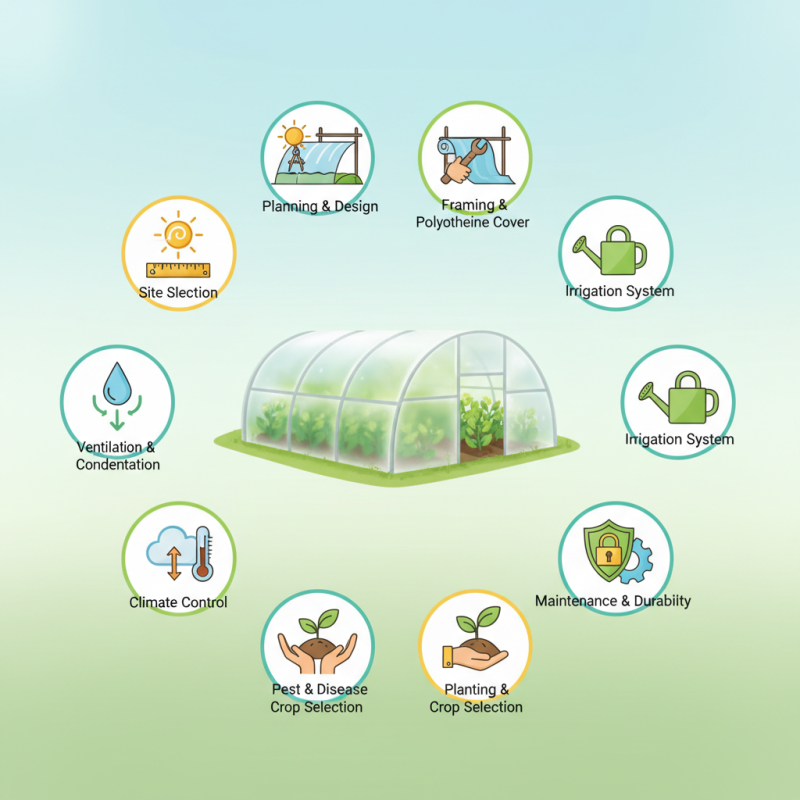
Choosing the right location for your polyethylene greenhouse is essential. The orientation of your greenhouse impacts solar gain, temperature, and plant growth. Research shows that greenhouses oriented east to west can capture more sunlight throughout the day. This maximizes light exposure, which is vital for plant health.
Consider the surrounding environment when selecting a site. For instance, nearby trees or buildings can create shading, reducing the effectiveness of your greenhouse. Moreover, the wind direction can influence temperature stability. In areas with frequent winds, placing your greenhouse in a sheltered spot helps maintain heat. According to industry reports, poorly sited greenhouses may experience a 30% decrease in productivity due to inadequate light and temperature control.
Drainage is another factor to consider. A site with good drainage prevents water pooling, which can lead to plant root rot. Some greenhouses sit on raised beds to improve drainage, but this requires careful planning. Take into account the soil quality as well. Soil health directly affects the growth of plants within your greenhouse. Testing the soil beforehand can save a lot of headaches later. Balancing these factors is tricky but crucial for a successful greenhouse project.
10 Essential Tips for Building a Polyethylene Greenhouse
Materials Needed for Constructing a Polyethylene Greenhouse Frame
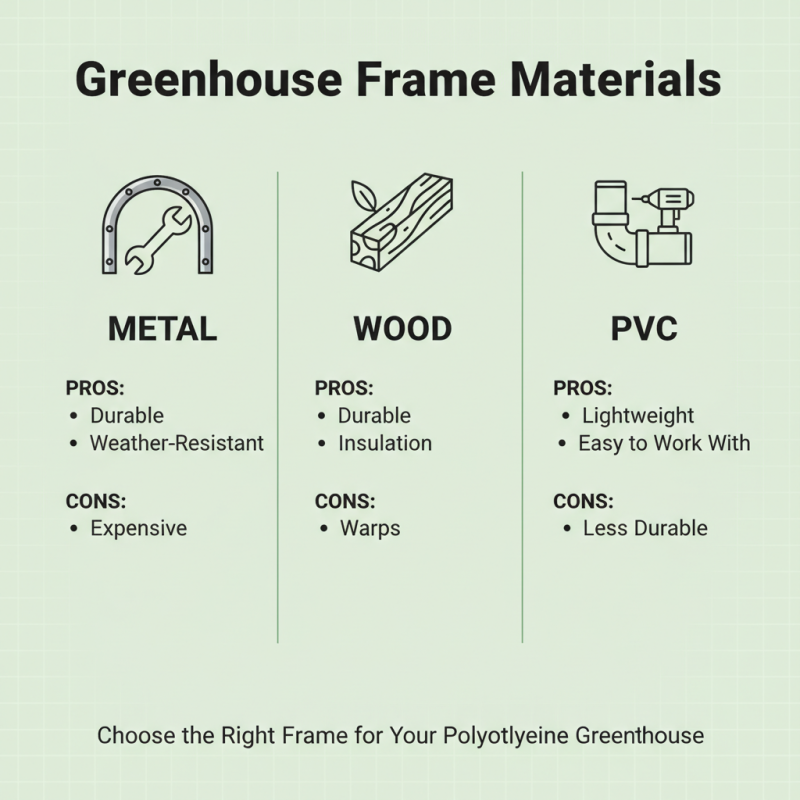
Building a polyethylene greenhouse involves careful planning and appropriate materials. A sturdy frame is the foundation of any greenhouse. Metal, wood, or PVC pipe frames can all work effectively. Each material has its own pros and cons. Metal frames are durable and weather-resistant, but they can be more expensive. Wood offers excellent insulation but may warp over time. PVC is lightweight and easy to work with, though less durable.
When selecting the covering, polyethylene film is a popular choice. It’s affordable and good at transmitting light. Choose double-layered film for better insulation. Don’t forget to plan for ventilation, as it is crucial for plant health. Fans or vents are standard solutions. Make sure to secure the film properly to prevent it from tearing in strong winds. Fastening materials, like clips or clamps, will help maintain tension.
Watering systems are another consideration. Drip irrigation is efficient and can save water. However, setting it up requires time and attention to detail. Finally, think about the foundation. A solid base avoids shifting and ensures longevity. While building a greenhouse can be rewarding, think about the maintenance and adjustments that might be needed down the line.
Essential Steps for Installing Polyethylene Covering for Maximum Insulation
When installing a polyethylene covering for your greenhouse, proper preparation is key. Start by ensuring the frame is sturdy and free from sharp edges. This will help prevent the polyethylene from tearing and provide better insulation. Measure the dimensions of your greenhouse accurately. This will ensure a snug fit, reducing cold spots and improving thermal efficiency.
Make sure to use a double layer of polyethylene, if possible. This creates an air pocket that enhances insulation. During installation, stretch the material tightly across the frame. Avoid wrinkles, as they can trap moisture and lead to mold growth. Pay attention to the edges; secure them well to prevent wind from lifting the cover.
Consider weather conditions before installation. Windy days can complicate the process and lead to mistakes. Be patient and take your time. Mistakes during the installation can leave your greenhouse vulnerable. Even minor gaps may result in significant heat loss. Regularly inspect the covering for wear and tear. Addressing these issues early can prolong the lifespan of your greenhouse.
10 Essential Tips for Building a Polyethylene Greenhouse
| Tip Number |
Tip Description |
Importance |
| 1 |
Choose the right location with maximum sunlight. |
High |
| 2 |
Use high-quality polyethylene for durability. |
High |
| 3 |
Ensure proper ventilation for temperature control. |
Medium |
| 4 |
Install the right framing to support the covering. |
High |
| 5 |
Secure the polyethylene properly to avoid flapping. |
High |
| 6 |
Use insulation techniques to maintain temperature. |
Medium |
| 7 |
Consider adding shading for hot climates. |
Medium |
| 8 |
Regularly check for wear and tear on the covering. |
High |
| 9 |
Plan for easy access to your plants. |
Medium |
| 10 |
Utilize rainwater collection systems for irrigation. |
Medium |
Effective Ventilation Techniques to Enhance Airflow in Your Greenhouse
Ventilation is crucial for any polyethylene greenhouse. Effective airflow can prevent heat buildup and maintain optimal plant growth. Industry research shows that proper ventilation can improve yield by up to 20%. To maximize airflow, consider installing adjustable side vents. These can help control humidity and temperature levels efficiently.
Another important technique is using exhaust fans. These fans help remove hot air and bring in cooler air. According to studies, greenhouses with fans have seen a reduction in temperature by nearly 10°F. Placing fans strategically at the highest points in the greenhouse can enhance their effectiveness.
It's also essential to regularly monitor weather conditions. Heat spikes can occur unexpectedly, stressing plants. Installing a temperature sensor can alert you when conditions become too extreme. Maintain consistent airflow by avoiding blockages on vents. Each detail adds up in promoting a healthier greenhouse environment.
Best Practices for Maintaining and Repairing a Polyethylene Greenhouse Cover
Maintaining a polyethylene greenhouse cover requires attention and care. First, inspect the cover regularly for tears or wear. Small rips can be repaired quickly with tape designed for greenhouse materials. Larger holes may need patches, but consider how that affects light penetration. Over time, UV rays can cause degradation, so replacing the cover might be necessary sooner than expected.
Cleaning is another essential aspect. Dust and dirt accumulate, reducing light levels. Use a soft brush or mild soap with water to gently clean surfaces. Avoid harsh chemicals, as they can damage the polyethylene. When cleaning, check for areas needing repair or attention.
Monitoring temperature and humidity levels is crucial. High humidity can lead to condensation, affecting the cover and plants. Install ventilation solutions to help regulate this. Remember, even minor adjustments can make a considerable difference. Regular check-ups will save you from bigger issues down the line. Focus on these tasks consistently for lasting results.