What is Industrial Greenhouse Benefits and Cost for Buyers?
Industrial greenhouses represent a significant advancement in modern agriculture. These structures optimize plant growth by maintaining ideal conditions, such as temperature and humidity. A well-designed industrial greenhouse can lead to more abundant yields and healthier crops. This innovation benefits not only farmers but also consumers, providing fresh produce year-round.
However, the decision to invest in an industrial greenhouse is complex. Potential buyers must weigh the benefits against the costs. Initial investments can be substantial, considering infrastructure and technology needs. Long-term operational costs, including energy and maintenance, also play a crucial role in this decision.
While the potential for increased production is enticing, buyers should conduct thorough research. Understanding local market demands and climate conditions is essential. There remains a learning curve in managing these advanced facilities. Assessing both the rewards and challenges is vital to making informed choices in this growing field.
Understanding Industrial Greenhouses: Definition and Functionality
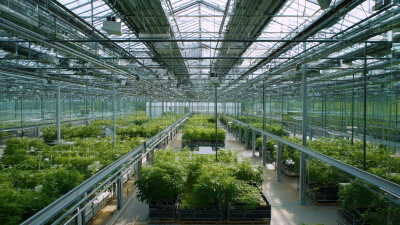
Industrial greenhouses are specialized structures designed to cultivate plants under controlled conditions. They provide a safe environment, shielded from harsh weather. These facilities can be used to grow a wide range of crops, from vegetables to flowers. The controlled environment allows growers to optimize factors like temperature, light, and humidity. As a result, plants can thrive year-round, regardless of external conditions.
The functionality of industrial greenhouses also includes advanced technology. Many employ hydroponics or aeroponics, which use minimal water and no soil. This can enhance growth rates significantly. However, the initial investment in these systems can be substantial. Buyers often weigh the benefits against the costs. Understanding the necessary technologies can be complex. Yet, the potential for higher crop yields can lead to greater profitability.
There are challenges too. Maintaining consistent conditions requires constant monitoring. Not all crops respond well to these environments. Some buyers might overlook local climate impacts. It's crucial to assess the market demand for specific crops when planning. Misjudgment in crop selection can lead to financial losses. Balancing technology with practical experience is essential for success in industrial greenhouse ventures.
Benefits and Costs of Industrial Greenhouses
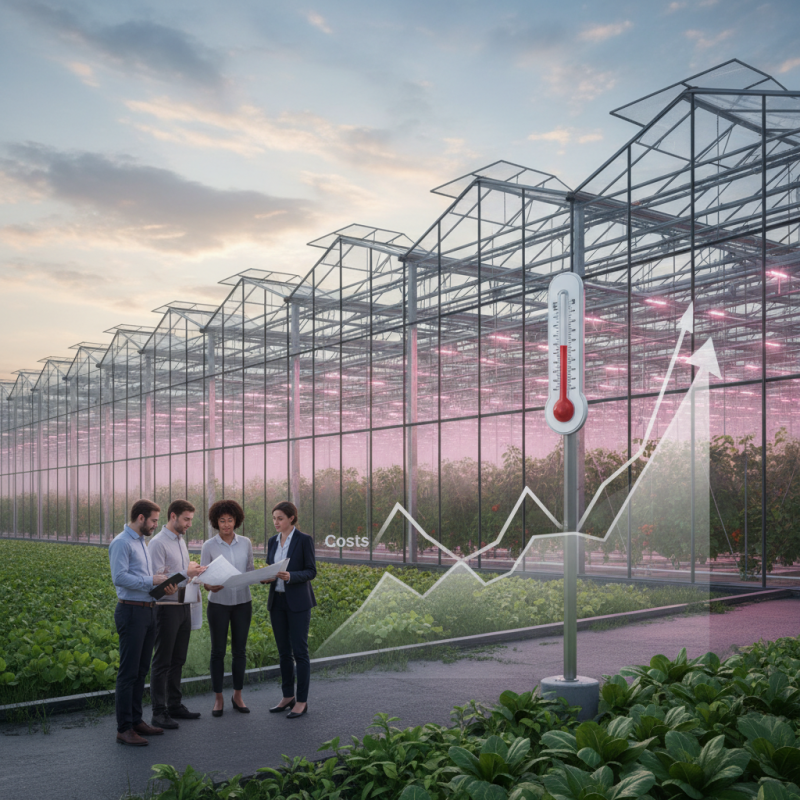
This chart illustrates the key financial metrics surrounding industrial greenhouses, comparing initial setup and operating costs to benefits such as yield increases and resource savings. The initial setup cost is typically significant, but the potential for increased efficiency and productivity can yield substantial long-term savings and benefits.
Key Benefits of Industrial Greenhouses for Sustainable Agriculture
Industrial greenhouses are becoming crucial for sustainable agriculture. They provide a controlled environment that boosts crop production while minimizing resource use. According to a recent report by the Food and Agriculture Organization (FAO), greenhouses can increase yield by up to 30% compared to traditional farming methods. This increase is due to better control of temperature, humidity, and light conditions.
Energy use is also a critical aspect. Reports indicate that industrial greenhouses can use renewable energy sources. For instance, solar energy can power heating systems, making them more sustainable. However, initial investments can be high. Buyers often face the challenge of balancing these costs with long-term benefits. While the upfront cost may be daunting, operational savings have proven beneficial.
A key consideration is water usage. Greenhouses typically use drip irrigation systems, which can reduce water consumption by about 50%. This efficiency is vital in regions facing water scarcity. Yet, managing water quality and supply remains a challenge. While the benefits of industrial greenhouses are significant, they require careful planning and continual assessment.
Cost Analysis: Initial Investment vs. Long-term Savings in Industrial Greenhouses
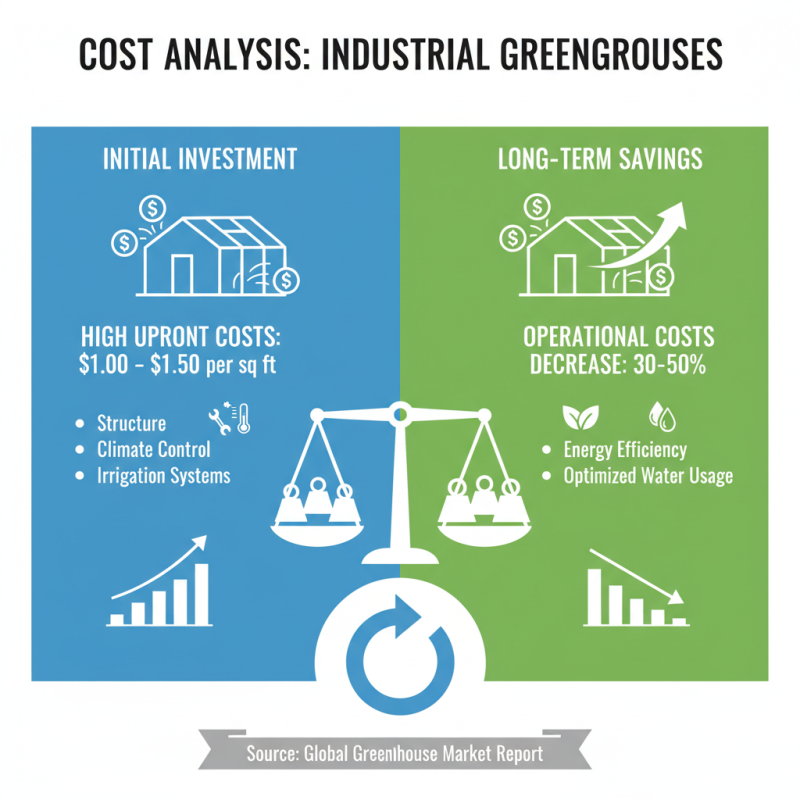
Investing in industrial greenhouses presents significant financial implications. Initial costs can be high, averaging around $1.00 to $1.50 per square foot for construction. This includes various elements such as structure, climate control systems, and irrigation networks. However, the upfront investment should be weighed against long-term savings. According to the Global Greenhouse Market Report, operational costs can decrease by 30-50% over time, thanks to energy efficiency measures and optimized water usage.
Despite these savings, not all buyers see immediate benefits. Some may struggle with the transition to automated systems or advanced technologies. A report from the American Society of Agricultural and Biological Engineers highlights that improper management can lead to initial losses, countering potential savings. Buyers need thorough training and support, ensuring they maximize efficiency from the start.
Moreover, the economic landscape is shifting. The increasing demand for sustainable produce drives up crop prices. A well-managed industrial greenhouse can yield returns exceeding 200% within five years, according to industry analytics. Buyers must remain aware of local regulations and market trends, as these factors can influence profitability. Balancing initial expenses with potential long-term gains requires careful analysis and commitment to sustainability practices.
Market Trends: Growing Demand for Sustainable Produce in Urban Areas
Urban areas are experiencing a significant shift in food production. The demand for sustainable produce is on the rise. People want fresher, healthier options. They are looking for ways to support local economies. This creates an opportunity for industrial greenhouses. These facilities can efficiently produce vegetables and fruits within city limits. The benefits are clear: reduced transportation costs, lower carbon footprints, and greater accessibility to fresh food.
Tips for urban buyers include prioritizing locally sourced produce. Always check for certifications that support sustainability practices. Engage with local farmers or community-supported agriculture (CSA) programs to stay informed about available products. This not only ensures you get the best quality but also supports the local economy.
However, challenges remain. Not every urban area has the infrastructure to support greenhouses. High initial costs can deter potential buyers. It’s crucial to weigh the long-term benefits against the upfront investment. Effective planning and community involvement can address these issues. Exploring partnerships or grants may also help mitigate initial costs for interested buyers.
What is Industrial Greenhouse Benefits and Cost for Buyers? - Market Trends: Growing Demand for Sustainable Produce in Urban Areas
| Dimension |
Data |
| Initial Investment Cost (USD) |
50,000 - 150,000 |
| Annual Operating Costs (USD) |
10,000 - 30,000 |
| Average Yield per Square Foot (lbs) |
20 - 30 |
| ROI (Return on Investment) (%) |
15% - 25% |
| Average Payback Period (Years) |
3 - 5 |
| Urban Population Growth Rate (%) |
2% - 4% |
| Percentage of Consumers Preferring Local Produce (%) |
60% - 80% |
| Sustainable Produce Market Growth Rate (%) |
10% - 15% |
Case Studies: Successful Implementation of Industrial Greenhouses Worldwide
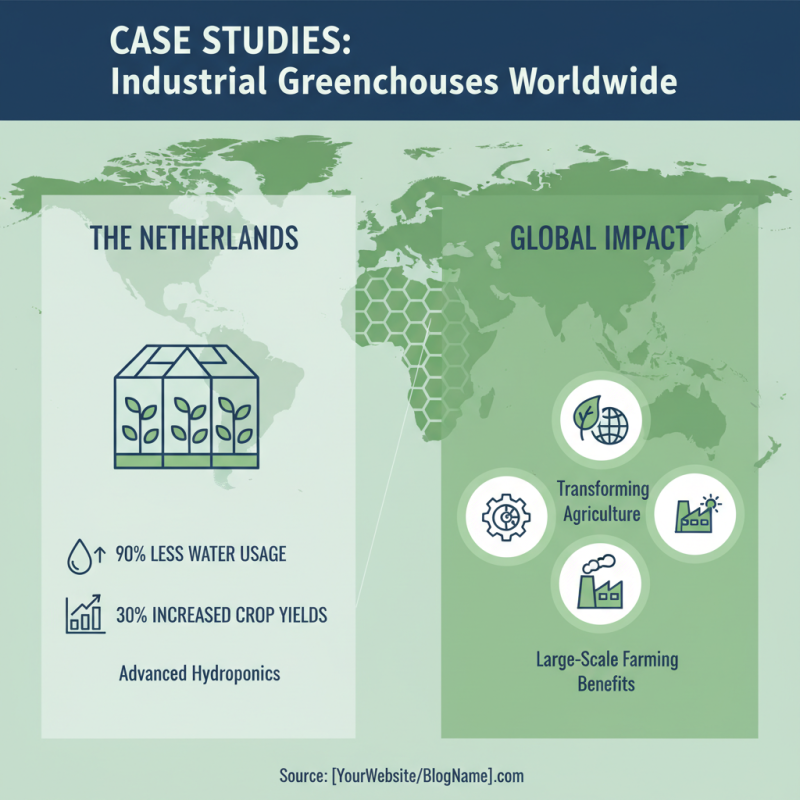
Industrial greenhouses are transforming agriculture worldwide. Case studies highlight their effectiveness in various climates. For example, a facility in the Netherlands, utilizing advanced hydroponic systems, increased crop yields by over 30%. This method also reduced water usage by 90%. Such implementations showcase significant benefits for large-scale farming operations.
In Spain, vertical farming within greenhouses has led to the successful growth of crops year-round, even in arid conditions. Reports indicate a 20% increase in revenue for farmers adopting this technology. However, there are challenges. High initial investments and operational costs can deter some buyers. Balancing technology with financial viability is essential.
Data from industry analyses estimate that the global market for industrial greenhouses will reach $6.02 billion by 2026. While this growth looks promising, the environmental impact is a critical consideration. Future implementations must focus on sustainability. Adapting practices, such as renewable energy sources and organic approaches, may be vital for long-term success.