Why Intelligent Greenhouses Are the Future of Sustainable Agriculture
As the world grapples with the increasing challenges of climate change, food security, and resource management, the agricultural sector stands at a crossroads. Traditional farming methods often fall short in addressing these pressing issues, leading to a growing interest in innovative solutions that promote sustainability. Among these solutions, the concept of the Intelligent Greenhouse emerges as a game-changer for modern agriculture. These advanced structures leverage cutting-edge technology to optimize growing conditions, conserve resources, and enhance crop yields, making them pivotal in the quest for sustainable food production.
Intelligent Greenhouses utilize a combination of automation, data analytics, and environmental sensors to create the ideal microclimate for plants. By regulating temperature, humidity, and light, these sophisticated systems not only improve plant health and productivity but also significantly reduce water and energy consumption. This adaptability not only allows for year-round cultivation but also minimizes the ecological footprint of agricultural practices. As we delve into the intricacies of Intelligent Greenhouses, it becomes clear that their implementation represents a critical step towards achieving a more sustainable and resilient agricultural future.
The Concept of Intelligent Greenhouses in Agriculture
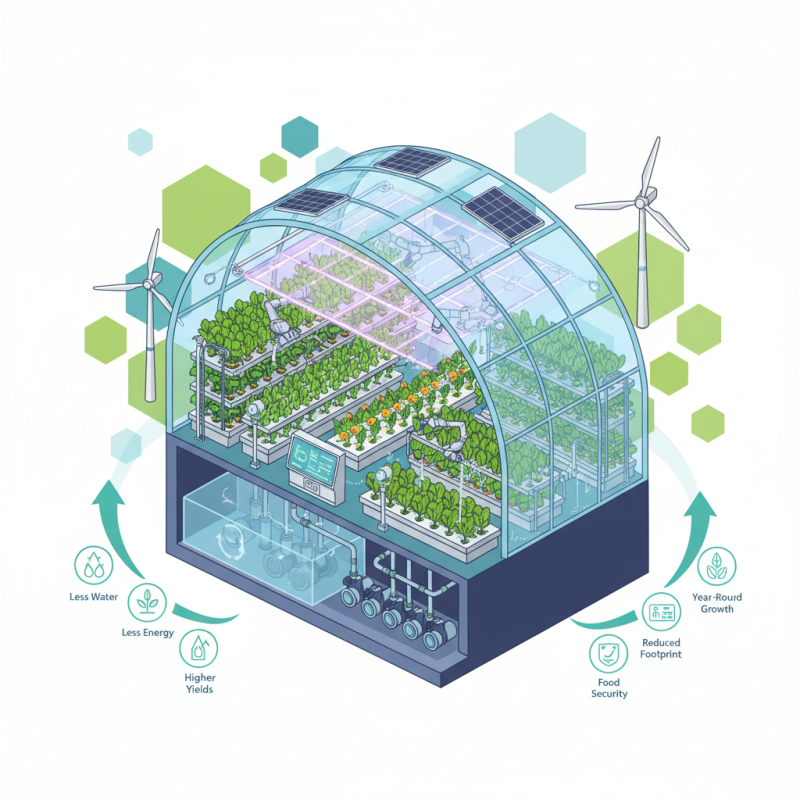
Intelligent greenhouses are revolutionizing the agricultural sector by integrating advanced technologies to optimize plant growth while minimizing resource consumption. The concept revolves around the use of sensors, IoT devices, and data analytics to create a controlled environment that responds dynamically to plant needs. According to a report by ResearchAndMarkets, the global smart greenhouse market is projected to grow from $1.4 billion in 2020 to $2.8 billion by 2025, showcasing the rising demand for sustainable farming solutions. These greenhouses can significantly enhance productivity by utilizing technologies such as automated climate control and precision irrigation.
The benefits of intelligent greenhouses extend beyond mere production efficiency. A study published in the journal "Agricultural Systems" highlights that these greenhouses can use up to 90% less water compared to traditional farming methods while increasing crop yields by 30-50%. This is crucial in addressing water scarcity and food security issues worldwide. Moreover, the integration of renewable energy sources, like solar panels, allows for a more sustainable approach to energy consumption, further reducing the carbon footprint associated with agricultural practices. As urbanization continues to rise, intelligent greenhouses represent a vital step towards creating urban farms that can supply fresh produce locally while utilizing fewer resources, thereby aligning with global sustainability goals.
Key Technologies Enhancing Sustainable Practices in Greenhouses
Intelligent greenhouses are revolutionizing sustainable agriculture through advanced technologies that optimize plant growth while minimizing environmental impact. One key technology is climate control systems, which leverage sensors and automation to regulate temperature, humidity, and light levels. By maintaining optimal conditions, these systems not only enhance crop yields but also reduce energy consumption, making the production process more efficient and eco-friendly.
Another significant innovation is the use of hydroponics and aeroponics, which allow crops to be grown without soil. These methods utilize nutrient-rich water and fine mist to nourish plants, drastically reducing water usage and eliminating the need for pesticides. As water scarcity becomes a pressing global issue, such techniques are crucial for ensuring sustainable food production.
Tips: To maximize the benefits of intelligent greenhouses, consider implementing crop rotation and companion planting strategies. These practices can improve soil health and pest management, complementing the high-tech systems in place. Additionally, using renewable energy sources like solar panels can further enhance sustainability while lowering operational costs. Embracing these technologies and practices will not only boost productivity but also contribute to a more resilient agricultural future.
Environmental Benefits of Implementing Intelligent Greenhouses
Intelligent greenhouses represent a significant advancement in sustainable agriculture, offering numerous environmental benefits that contribute to a healthier planet. These high-tech structures utilize controlled climate systems to optimize growing conditions, thereby reducing water usage, chemical inputs, and energy consumption. By harnessing data analytics and automation, intelligent greenhouses can precisely monitor and regulate factors such as temperature, humidity, and light levels, leading to more efficient resource use. This not only enhances plant health and yields but also minimizes waste and lowers the carbon footprint associated with traditional farming practices.
Moreover, the implementation of intelligent greenhouses can significantly reduce the need for pesticides and fertilizers. Through integrated pest management systems and soil monitoring, these greenhouses can create a more balanced ecosystem where natural predators manage pest populations effectively. This eco-friendly approach fosters biodiversity and protects local water sources from runoff contamination. Additionally, by growing crops closer to urban centers, intelligent greenhouses reduce transportation emissions and contribute to a more localized food system, showcasing how technology in agriculture can align with environmental sustainability goals.
Why Intelligent Greenhouses Are the Future of Sustainable Agriculture - Environmental Benefits of Implementing Intelligent Greenhouses
| Dimension |
Data |
| Energy Efficiency Improvement (%) |
30 |
| Water Usage Reduction (%) |
50 |
| Crop Yield Increase (%) |
25 |
| Carbon Footprint Reduction (kg CO2e per kg of crop produced) |
2.5 |
| Pesticide Usage Reduction (%) |
40 |
| Biodiversity Improvement (number of species supported) |
15 |
Challenges and Solutions in Adopting Intelligent Greenhouse Systems
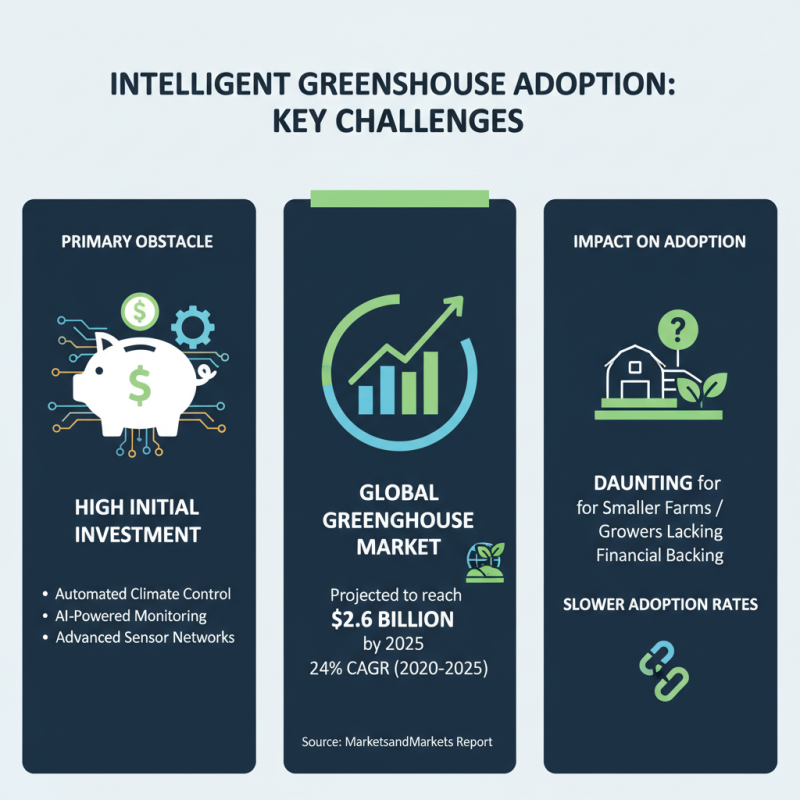
The adoption of intelligent greenhouse systems presents a formidable challenge for many in the agricultural sector. One of the primary obstacles is the high initial investment required for advanced technologies such as automated climate control systems, AI-powered monitoring, and sensor networks. According to a report by MarketsandMarkets, the global smart greenhouse market is projected to reach $2.6 billion by 2025, growing at a CAGR of 24% from 2020. This substantial growth underscores the increasing recognition of the need for sustainable solutions; however, such investments can be daunting for smaller farms or growers lacking financial backing, leading to slower adoption rates.
Additionally, the integration of these sophisticated systems requires a skilled workforce capable of operating and maintaining advanced technologies. Industry estimates suggest that over 70% of greenhouse operators feel ill-equipped to implement intelligent systems due to a lack of training and expertise. To counter this, educational programs and partnerships between agricultural institutions and technology providers are essential to upskill existing workers and cultivate a new generation of knowledgeable technicians. Furthermore, as smart technologies continue to evolve, ensuring that systems remain user-friendly and accessible will be crucial for overcoming the technological barrier that inhibits widespread adoption. By addressing these challenges through collaboration and training, the potential of intelligent greenhouses can be fully realized, paving the way for a more sustainable agricultural future.
Future Trends and Innovations in Sustainable Greenhouse Agriculture
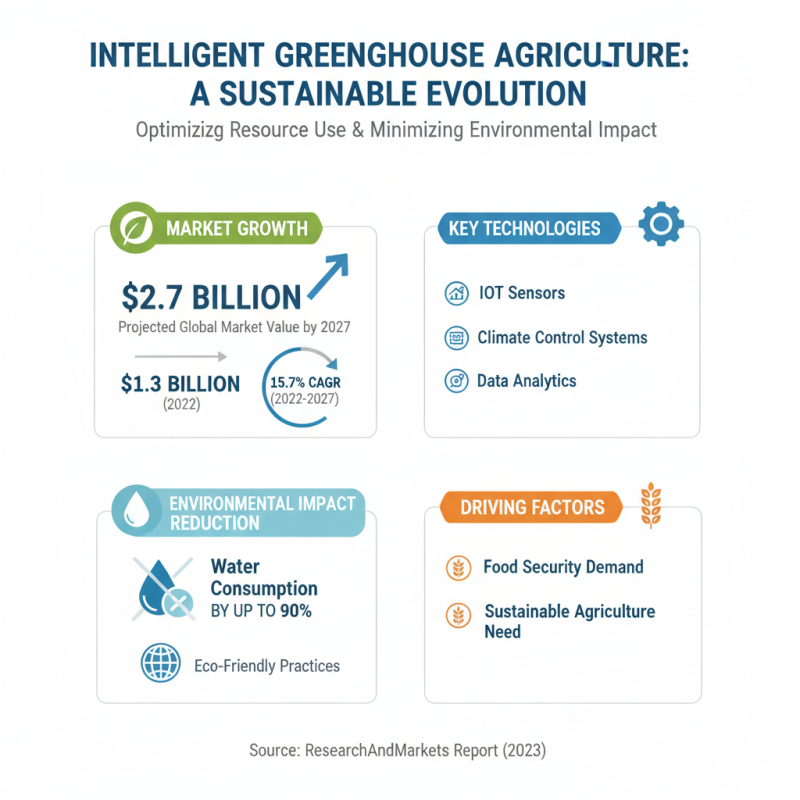
The evolution of greenhouse agriculture has marked a significant shift towards sustainability, driven by intelligent technologies that optimize resource use and minimize environmental impact. According to a report by ResearchAndMarkets, the global smart greenhouse market is projected to grow from $1.3 billion in 2022 to $2.7 billion by 2027, reflecting a compound annual growth rate (CAGR) of 15.7%. This growth is spurred by the increasing demand for food security and the need to adopt environmentally friendly agricultural practices. Intelligent greenhouses utilize advanced technologies such as IoT sensors, climate control systems, and data analytics to maximize crop yield while reducing water consumption by up to 90% compared to traditional farming methods.
In addition to resource efficiency, innovations in sustainable greenhouse agriculture are transforming crop cultivation methodologies. For instance, vertical farming and hydroponics are gaining traction, allowing for year-round production with a lower carbon footprint. A study published in the journal Frontiers in Sustainable Food Systems highlights that vertical farms can produce 10 to 20 times more food per square meter than conventional farming. Moreover, the integration of renewable energy sources such as solar and wind power into greenhouse operations further enhances sustainability, reducing reliance on fossil fuels and operational costs. By adopting these futuristic trends, sustainable agriculture can meet the increasing food demands while prioritizing ecological health and resilience.