What is a Polyethylene Greenhouse Benefits for Global Buyers?
In recent years, the popularity of the Polyethylene Greenhouse has surged among global buyers. This trend stems from its exceptional benefits that enhance agricultural practices. Farmers and hobbyists alike are drawn to its affordability and versatility. Polyethylene offers superior light diffusion, promoting better plant growth.
These greenhouses are lightweight, making them easy to transport and set up. They are also durable, resistant to various weather conditions, which ensures a longer lifespan. However, it's important to consider the environmental impact of production materials. Not all polyethylene is created equal, and buyers should research sustainable options.
The benefits are clear, but challenges remain. Buyers must weigh cost against longevity and environmental factors. Understanding the composition of the materials is crucial. A well-informed choice leads to successful plant cultivation while supporting sustainable practices.
Understanding Polyethylene Greenhouses and Their Materials
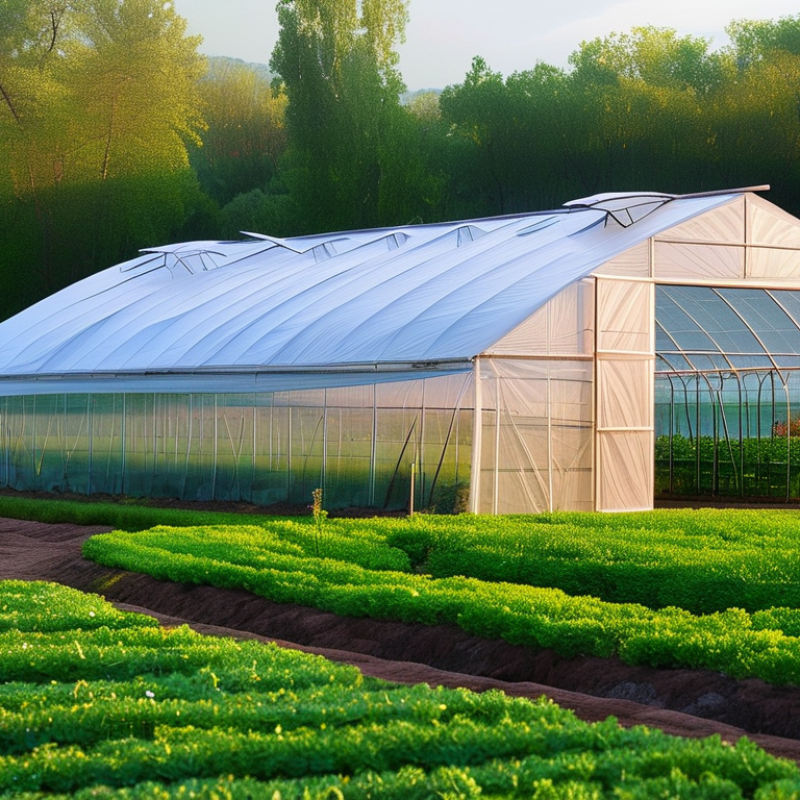
Polyethylene greenhouses are a popular choice among growers worldwide. They offer effective protection for plants while optimizing their growth conditions. These structures are primarily made from polyethylene film, known for its durability and excellent light transmission. The material is lightweight, making installation easier and cost-effective.
Using polyethylene in greenhouse construction has various advantages. It is resistant to UV rays, ensuring longevity. The greenhouse climate can be controlled more efficiently, promoting faster growth. Furthermore, polyethylene is often recyclable, appealing to environmentally conscious buyers. However, it may require regular maintenance, such as checking for tears or wear.
The choice of polyethylene also comes with challenges. While it is affordable, its lifespan may be shorter than other materials. This can lead to a need for early replacements. Buyers should consider local climate conditions, as extreme weather can impact durability. Selecting the right gauge of polyethylene is crucial for balancing cost and usability. These factors should be carefully weighed to ensure a wise investment.
Key Benefits of Polyethylene Greenhouses for Global Buyers
Polyethylene greenhouses play a crucial role in modern agriculture, delivering several benefits to buyers worldwide. The lightweight and flexible nature of polyethylene materials allows for efficient installation. Unlike traditional glass greenhouses, these structures are easier to handle and transport. According to a report by Grand View Research, the global greenhouse market is projected to reach $24.4 billion by 2025, highlighting the growing interest in efficient farming solutions.
Another significant advantage is energy conservation. Polyethylene greenhouses can provide superior insulation properties, minimizing heating and cooling costs. Research indicates that they can reduce energy use by up to 30%. This translates to lower operational costs for growers. Some reports suggest that the use of polyethylene can lead to a 15% increase in crop yield, particularly in fruits and vegetables. The versatility of these greenhouses contributes to their appeal, as they can be tailored to fit a variety of crops and climates.
However, the durability of polyethylene is sometimes questioned. While it is cost-effective, factors like UV degradation can impact longevity. Users must weigh initial savings against potential replacement costs over time. Regular maintenance is crucial to maximize lifespan and efficiency. Acknowledging these challenges is vital for buyers looking to invest in sustainable agricultural practices.
Comparative Analysis: Polyethylene vs. Traditional Greenhouse Materials
When considering greenhouse materials, polyethylene stands out. It offers unique benefits compared to traditional materials like glass or fiberglass. Polyethylene is lighter and more flexible, making it easier to install. This adaptability can save time and labor costs for global buyers.
Traditional greenhouse materials often struggle with insulation. They can be heavy and prone to breakage. In contrast, polyethylene provides excellent thermal regulation. It retains heat during colder months and allows for adequate ventilation. This can encourage faster plant growth, making it a popular choice among growers.
Tip: Ensure proper ventilation in a polyethylene greenhouse. High humidity can lead to mold issues. Regularly check for condensation build-up.
Another consideration is UV protection. Polyethylene materials are available with UV stabilizers. This helps prevent degradation from sunlight exposure. While traditional materials can become brittle, polyethylene maintains its integrity longer.
Tip: Regularly inspect your greenhouse for wear and tear. Look for areas that may need reinforcement.
Choosing the right greenhouse material involves weighing the pros and cons. Polyethylene may require maintenance, but it also offers flexibility and efficiency. Traditional materials could be more durable in some aspects but may not provide the same level of growth enhancement.
What is a Polyethylene Greenhouse Benefits for Global Buyers? - Comparative Analysis: Polyethylene vs. Traditional Greenhouse Materials
| Material Type |
Initial Cost (per sq ft) |
Lifespan (years) |
UV Resistance |
Energy Efficiency |
Ease of Installation |
Sustainability |
| Polyethylene |
$0.50 |
5-10 |
High |
Good |
Easy |
Recyclable |
| Glass |
$2.00 |
20-30 |
Very High |
Excellent |
Moderate |
Non-Recyclable |
| Polycarbonate |
$1.50 |
10-20 |
High |
Very Good |
Moderate |
Partially Recyclable |
| Film |
$0.30 |
3-5 |
Moderate |
Fair |
Very Easy |
Recyclable |
Environmental Impact of Polyethylene Greenhouses in Agriculture
Polyethylene greenhouses are becoming increasingly popular in agriculture due to their significant environmental benefits. These structures enhance crop yield while minimizing the use of resources. According to a report from the Food and Agriculture Organization (FAO), well-managed polyethylene greenhouses can yield up to 30% more crops compared to open-field conditions. This efficiency is crucial as global food demand continues to rise.
One major environmental impact of polyethylene greenhouses is their ability to reduce water usage. A study by the International Water Management Institute states that these greenhouses can save up to 50% of water resources compared to traditional farming. Additionally, they create a controlled microclimate, which can lead to reduced pesticide use. This not only lowers the chemical footprint but also promotes better health for nearby ecosystems.
Tips: Consider the location of your greenhouse. An optimal site can enhance natural light and stabilize temperatures. Regular monitoring of humidity levels is essential to prevent crop diseases. A simple sensor can make a significant difference. Adopting practices that improve soil health is also beneficial. Integrating organic materials boosts soil fertility, thereby enhancing the sustainability of the greenhouse.
Cost-Effectiveness and Longevity of Polyethylene Greenhouses
Polyethylene greenhouses have emerged as a cost-effective solution for global buyers. According to a report from the International Society for Horticultural Science, these structures can reduce construction costs by up to 30% compared to glass greenhouses. Their lightweight nature makes them easier to transport and install, leading to savings in labor costs. Additionally, polyethylene films offer excellent insulation, providing a controlled environment that enhances plant growth. Data shows that crops can yield 20% more in polyethylene greenhouses compared to traditional structures.
Longevity is another significant factor. With proper maintenance, polyethylene greenhouses can last 5 to 10 years. However, some reports suggest that UV degradation could shorten this lifespan. While the average replacement cost is lower than glass, product quality can vary widely. It’s essential for buyers to assess the thickness and UV resistance of the films they choose. Understanding these nuances helps buyers make informed decisions, balancing initial investments with long-term returns. This insight underlines the importance of careful selection in maximizing both cost-effectiveness and durability.
Benefits of Polyethylene Greenhouses
This chart illustrates the various beneficial aspects of polyethylene greenhouses, highlighting their cost-effectiveness, longevity, UV resistance, temperature control, and maintenance costs. Each component is evaluated on a scale from 0 to 100, showcasing how polyethylene greenhouses stand out in these critical areas.