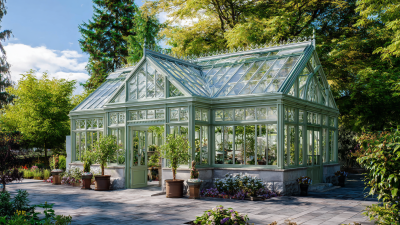
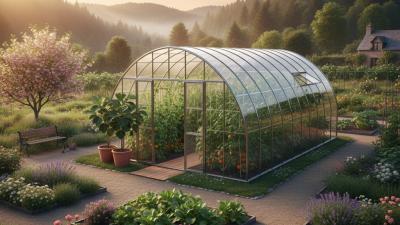
What is a Single Span Greenhouse and Its Benefits?
A Single Span Greenhouse offers a unique approach to gardening. Its design features a single, continuous arch. This simple structure provides several advantages for growers.
With fewer supports, a Single Span Greenhouse maximizes sunlight exposure. This results in better plant growth and healthier crops. The open space allows for efficient air circulation, reducing humidity levels. However, some may find the lack of internal divisions limiting.
Cost-effective construction is another benefit. Fewer materials mean lower expenses. Yet, there might be limitations in adapting to diverse crops. Understanding these details is crucial. The Single Span Greenhouse is a practical option for many. Nonetheless, it requires careful planning and consideration.
What is a Single Span Greenhouse?
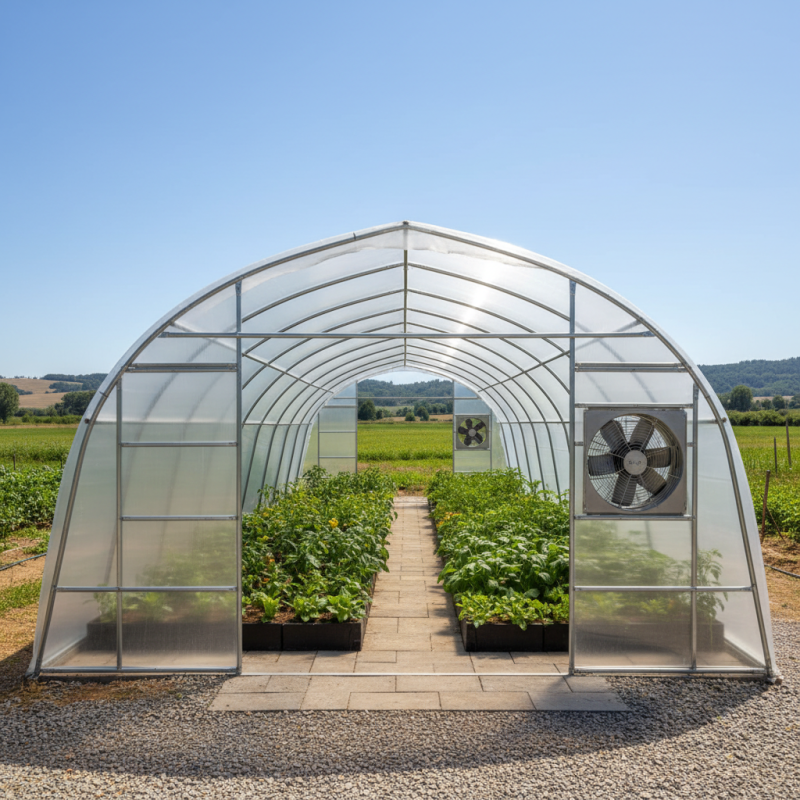
A single span greenhouse is a simple structure designed to grow plants efficiently. It consists of a single arch or roof that spans from one side to the other. These greenhouses can be built from various materials such as plastic or glass, allowing sunlight to penetrate while protecting plants from harsh weather. The design usually provides excellent ventilation and allows for natural light.
Their simplicity makes them easy to construct and maintain. You can create them in different sizes to suit your gardening needs. This greenhouse type is particularly popular among hobbyists and professional growers. However, a single span greenhouse might lack some advanced features found in larger structures. The limited space can be a challenge for growing a wide variety of plants. Reflecting on this, gardeners must be strategic about plant placement.
The cost is another factor to consider. While generally more affordable than larger greenhouses, they can still represent a significant investment for novice gardeners. Many find that the single span greenhouse is a good compromise for small-scale growing. However, it's essential to evaluate if this setup meets your gardening goals and needs. Balancing cost, space, and crop variety is crucial before diving into this project.
What is a Single Span Greenhouse and Its Benefits?
| Feature |
Description |
Benefits |
| Structure |
A single span greenhouse consists of one continuous arch or frame structure. |
Simplified design allows for easier construction and stability. |
| Light Penetration |
Maximizes natural light exposure due to its design. |
Promotes better plant growth and productivity. |
| Cooling and Ventilation |
Easy to ventilate with roof vents and side openings. |
Helps maintain optimal temperature and humidity levels. |
| Cost-Effectiveness |
Less material is needed compared to multi-span greenhouses. |
Lower initial investment and maintenance costs. |
| Versatility |
Suitable for various crops and growing methods. |
Can be used for commercial or hobby farming. |
Key Features of Single Span Greenhouses
Single span greenhouses are a popular choice for both hobbyists and commercial growers. They consist of a single continuous frame, offering simplicity in design. These structures usually have a width ranging from 10 to 30 feet. Their uniform shape allows for easier temperature management and sunlight exposure. This design also reduces construction costs compared to larger greenhouses.
Key features include the lightweight frame, often made of aluminum or galvanized steel. This makes assembly quick and convenient. The covering can be plastic or glass, depending on the desired durability and light transmission. Ventilation options are essential; many single span greenhouses have side or roof vents to enhance airflow. However, some designs may struggle with adequate ventilation, leading to humidity issues if not managed properly.
Another benefit is that single span greenhouses are easy to expand. While they don't offer as much space as larger structures, adding more segments is feasible. This allows growers to diversify crops without significant infrastructural changes. However, the limited size can condense growing space, leading to potential overcrowding. Thoughtful planning is crucial to maximize the benefits of single span greenhouses while avoiding these pitfalls.
Advantages of Using a Single Span Greenhouse
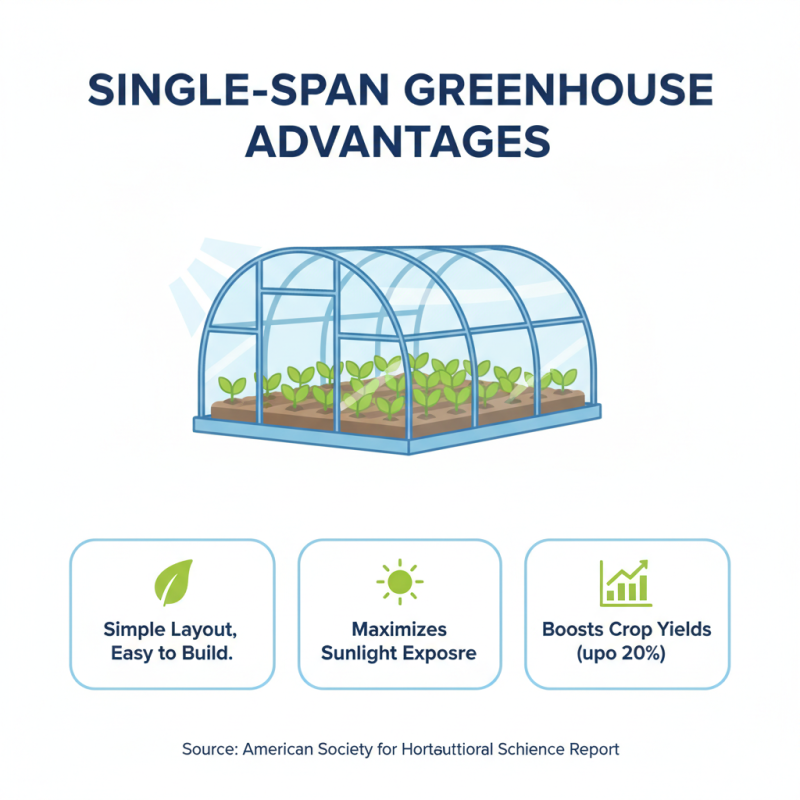
A single span greenhouse is a popular structure among growers. It features a simple layout. With a single continuous roof, this design maximizes sunlight exposure. According to a report by the American Society for Horticultural Science, effective light management can boost crop yields by up to 20%. This is critical for producing healthy plants.
The benefits of using a single span greenhouse extend beyond just light. These structures are easier to construct and maintain. Maintenance costs are often lower than those for complex designs. Research has shown that operational costs can be reduced by 30%. However, temperature control can be a challenge. With limited airflow in hot weather, growers need to invest in additional ventilation systems.
Moreover, a single span greenhouse provides flexibility for different crops. It can accommodate various growing systems, from soil-based to hydroponics. Yet, this adaptability can lead to overextension in crop choices. Growers may end up taking on too many varieties, risking poor harvests. Balancing crop diversity while managing conditions is vital. Overall, single span greenhouses offer many advantages, yet careful management is essential for success.
Ideal Crops for Single Span Greenhouses
Single span greenhouses are increasingly popular. They are ideal for small to medium-sized crops. These structures provide excellent climate control, which is crucial for crop success. According to the International Society for Horticultural Science, single span greenhouses can enhance yields by 20% to 30% compared to open-field farming.
Vegetables such as tomatoes, cucumbers, and peppers thrive in single span greenhouses. A recent study by the American Society for Horticultural Science highlights that these crops benefit from the stable environment. The greenhouses protect plants from harsh weather. They allow for year-round cultivation, making them versatile.
Herbs like basil, mint, and thyme also do well. These plants require consistent temperature and light. A controlled environment minimizes pest issues. Yet, some growers report challenges in maintaining humidity levels. Balancing humidity is crucial. The wrong levels can lead to mold growth, affecting crop health.
Maintenance Tips for Single Span Greenhouses
Single span greenhouses are popular among many growers for their efficient design. They typically have a single sloping roof, which allows for excellent ventilation and sunlight exposure. However, maintenance is crucial for optimal performance and plant health.
One key maintenance tip is to regularly check for structural integrity. Harsh weather can impact stability. Inspect the framework and joints at least once a season. According to the American Society of Agricultural and Biological Engineers, yearly maintenance can increase greenhouse lifespan by up to 30%.
Another important aspect is to manage humidity and temperature levels. Installing proper fans and ventilation systems is essential. Keeping humidity around 50-70% maximizes plant growth. Use hygrometers to monitor levels regularly. Remember to clean vents and fans frequently. Neglecting this could lead to poor air circulation and plant stress.
Lastly, applying preventative measures, like pest control, can save time and resources. Integrated Pest Management (IPM) strategies are recommended by The Environmental Protection Agency. They help reduce chemical use while maintaining plant health. Regular monitoring of plants for any signs of pests or disease is vital. Maintaining a proactive approach will yield better results in your greenhouse.