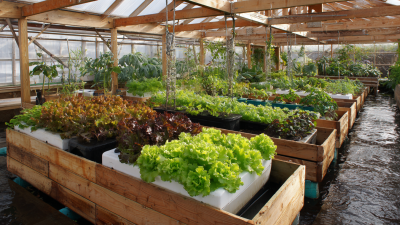
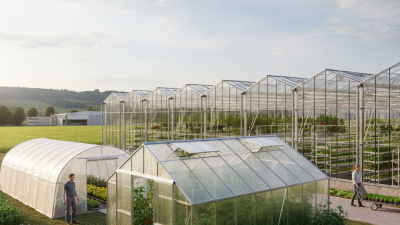
Best Smart Greenhouse Solutions for Sustainable Agriculture?
In recent years, the smart greenhouse industry has gained significant traction, driven by the global push for sustainable agriculture. According to a report by MarketsandMarkets, the smart greenhouse market is projected to reach $2.4 billion by 2025, reflecting a compound annual growth rate (CAGR) of over 20%. This growth highlights the increasing importance of controlled environments for crop production, particularly as the world faces challenges such as climate change and dwindling arable land.
Experts in the field, like Dr. Emily Martinez, emphasize the potential of smart greenhouses. She stated, "Smart greenhouses can transform how we approach food security." These advanced systems incorporate sensors, automated controls, and data analytics to optimize plant growth conditions. While they promise increased yields and reduced resource consumption, the technology is not without its challenges. Affordability and accessibility remain significant barriers for many farmers, especially in developing regions.
Amid the optimism, there needs to be a critical evaluation of what smart greenhouses can achieve. The technology requires substantial initial investment and ongoing management. As the industry evolves, addressing these issues will be crucial for realizing the full benefits of smart greenhouses in sustainable agriculture. Recognizing both the potential and the limitations is essential for stakeholders aiming to leverage this innovative approach to farming.
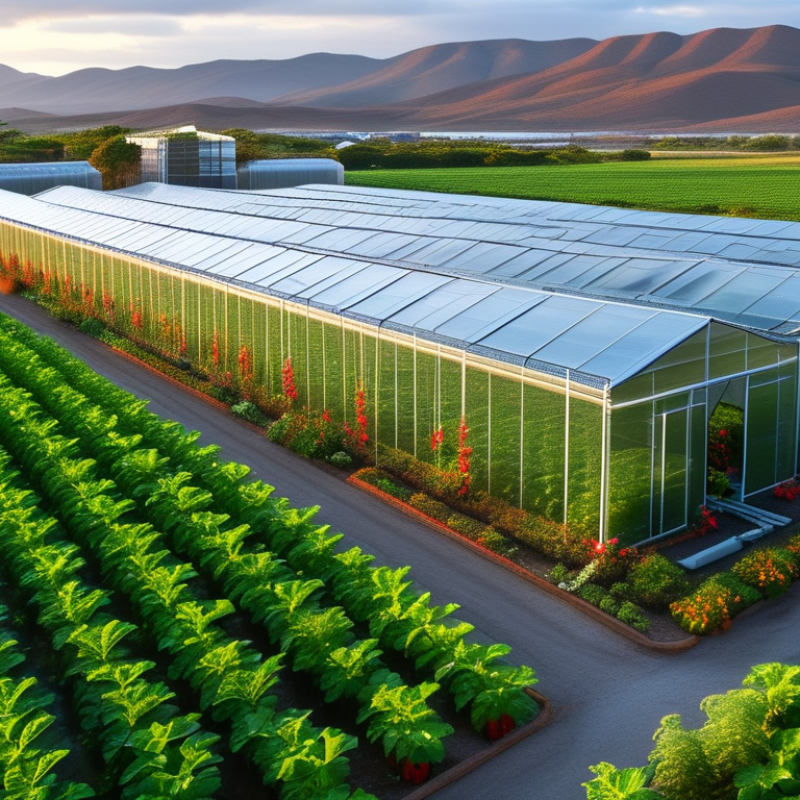
Overview of Smart Greenhouse Technology in Sustainable Agriculture
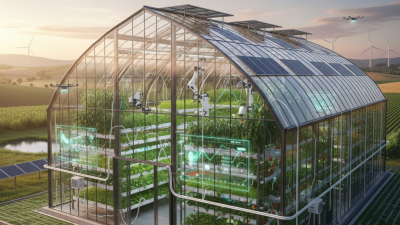
Smart greenhouse technology represents a breakthrough in sustainable agriculture. This approach merges traditional farming with cutting-edge technology, addressing the pressing challenges of food security and climate change. According to a report by MarketsandMarkets, the global smart greenhouse market is expected to grow to $2.5 billion by 2025, highlighting its importance in modern agriculture.
The integration of sensors, climate control systems, and data analytics empowers farmers to optimize their resources. For instance, studies indicate that implementing precision irrigation in smart greenhouses can reduce water usage by up to 30%. This is crucial in regions facing water scarcity. Additionally, smart greenhouses can enhance crop yields by 20-30% compared to conventional methods. However, the initial investment for advanced systems may deter some farmers, raising questions about accessibility and equity in agriculture.
Moreover, while the technology offers numerous benefits, there are drawbacks. The reliance on high-tech solutions may create a gap between tech-savvy farmers and those less familiar with digital tools. Training and education are vital for maximizing the potential of smart greenhouse systems. As the sector evolves, it is essential to address these disparities to ensure sustainable practices benefit all.
Key Features of Effective Smart Greenhouses for Crop Production
The rise of smart greenhouses marks a revolutionary shift in sustainable agriculture. Advanced technologies such as IoT sensors and climate control systems are reshaping crop production. A 2021 report from the International Society for Horticultural Science highlights that smart greenhouses can boost yields by up to 30%. By enhancing resource management, they reduce water usage by nearly 50%.
Key features of effective smart greenhouses include automated irrigation systems and real-time climate monitoring. These tools help maintain optimal conditions for plant growth. For instance, adjusting humidity levels can significantly increase photosynthesis rates. Sensors continuously collect data, empowering farmers to make informed decisions. However, implementing these technologies comes with challenges. Initial setup costs can be substantial, and ongoing maintenance requires specialized knowledge.
Energy efficiency is another critical aspect. Smart greenhouses often utilize renewable energy sources, reducing their carbon footprint. Data from the Global Sustainable Energy Report indicates that integrating renewable energy can lower operational costs by about 20%. While the benefits are clear, the question remains: can small-scale farmers equally access these innovations? Addressing this gap will be essential for equitable advancements in agricultural practices.
Leading Smart Greenhouse Solutions in the Market Today
Smart greenhouses are revolutionizing sustainable agriculture today. These solutions leverage technology to enhance plant growth and resource efficiency. With climate change and resource scarcity, innovation is crucial. Some systems use sensors to monitor humidity and temperature. Data analytics helps optimize conditions for maximum yield.
Here are a couple of tips for aspiring greenhouse owners: Invest in quality climate control systems. They can significantly improve the growing environment. Also, consider integrating hydroponics. This method saves water and space while increasing productivity.
While smart greenhouses offer many benefits, they are not without challenges. Initial costs can be high, and maintenance might require specialized knowledge. Users should prepare for a learning curve. Experimentation is key; not every system will work perfectly in every location. Making adjustments based on real-time data is vital for success.
Benefits of Implementing Smart Greenhouses for Sustainable Practices
Smart greenhouses offer a transformative approach to sustainable agriculture. By utilizing advanced technologies, these systems optimize growing conditions. They monitor temperature, humidity, and light levels in real-time. This data helps in making informed decisions. Farmers can reduce water usage and chemical fertilizers significantly.
Implementing smart greenhouses has other benefits as well. They allow for year-round crop production, regardless of external weather changes. This consistent yield can enhance food security. However, initial costs may be a barrier for some growers. It’s essential to consider long-term savings versus upfront investments.
Adopting these technologies requires a learning curve. Not every farmer may possess the required technical skills. Training programs can help bridge this gap. Experimentation is crucial; some solutions may not work as expected. Keeping an open mind and assessing outcomes is vital for success.
Challenges and Future Trends in Smart Greenhouse Agriculture Solutions
The evolution of smart greenhouse solutions presents both opportunities and hurdles. According to the International Society for Horticultural Science, innovative technologies can enhance productivity by up to 30%. These systems utilize IoT, AI, and sensors to optimize growth conditions. However, implementing such technologies requires significant investment and technical expertise, which can be barriers for many farmers.
Many small-scale growers struggle to adopt these advanced practices. The U.S. Department of Agriculture reported that only 25% of farmers currently use smart agriculture technologies. This gap highlights the need for agricultural education and accessible training programs. Furthermore, data privacy issues raise concerns among growers when using cloud-based systems.
Sustainability remains a key focus. Research indicates that smart greenhouses can reduce water usage by 50% compared to traditional methods. Yet, the environmental impact of technological waste and energy consumption is a growing concern. This duality calls for a balanced approach—leveraging tech while ensuring minimal ecological footprint. As the industry evolves, continuous reflection on these challenges is essential for future development.