How to Start Hydroponics at Home for Beginners Guide?
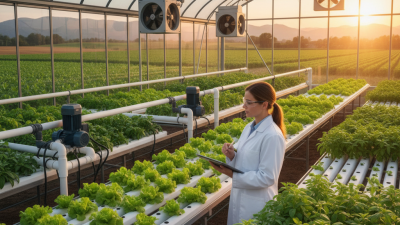
Hydroponics is a revolutionary method of growing plants without soil. For beginners, it may seem daunting at first. However, this innovative technique is more accessible than many think. Renowned hydroponics expert Dr. Verna Green states, “Hydroponics can transform any space into a thriving garden.” Her words resonate with anyone curious about this sustainable practice.
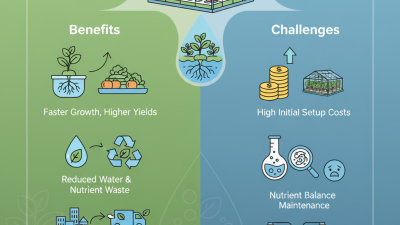
Understanding the basics of hydroponics is crucial. This method relies on nutrient-rich water solutions, allowing plants to grow faster and healthier. There are various systems to explore, such as deep water culture and nutrient film technique. Each has its unique benefits and challenges.
Starting your hydroponics journey involves commitment and patience. Mistakes are common, and learning from them is part of the process. While it might take time to perfect your setup, the rewards can be extraordinary. Embracing the learning curve will not only enhance your gardening skills but can also provide fresh produce year-round.
Choosing the Right Hydroponic System for Beginners
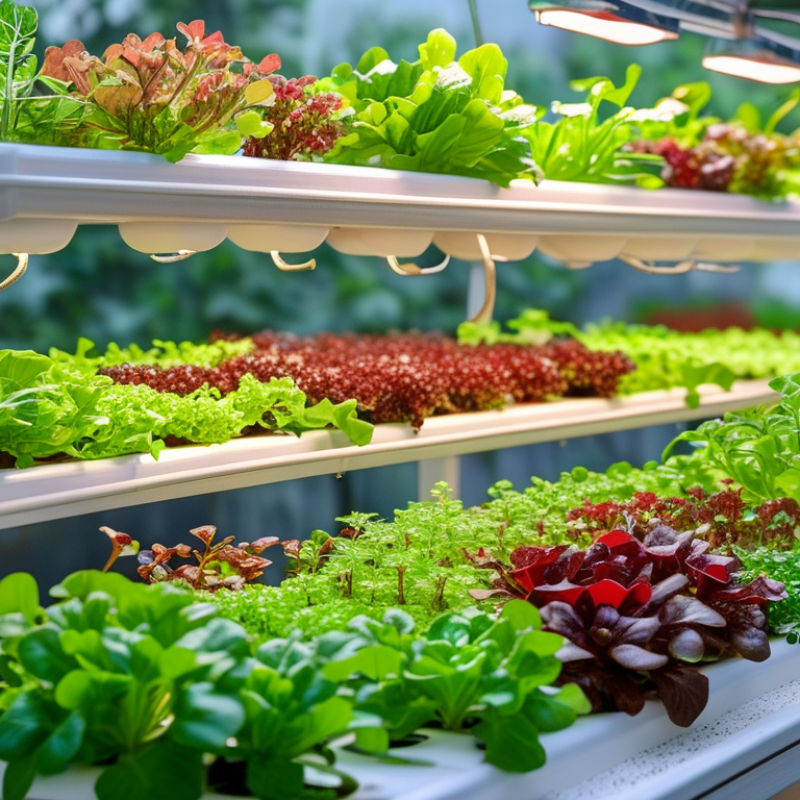
Choosing the right hydroponic system is crucial for beginners. Each system has unique benefits and challenges. The most common types are nutrient film technique (NFT), deep water culture (DWC), and aeroponics. According to the USDA, over 10% of produce in urban areas is now grown hydroponically. This trend shows the increasing interest in efficient growing methods.
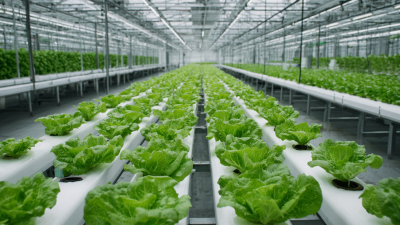
NFT systems use a thin film of nutrient solution, ideal for leafy greens. They require careful monitoring to prevent root rot. DWC systems suspend roots in oxygen-rich water, promoting faster growth. However, they need regular aeration. Aeroponics offers high yields but can be complex. It’s essential to evaluate your space and resources before choosing.
Beginners often make mistakes like overwatering or using poor nutrient solutions. Research shows that approximately 30% of new growers abandon the practice due to these challenges. Understanding the specific needs of each system can prevent these common pitfalls. Engaging with local hydroponics groups and forums can provide valuable insights. Learning from experienced growers enhances reliability and confidence in your hydroponic journey.
Hydroponics System Comparison for Beginners
Essential Equipment and Supplies for Home Hydroponics
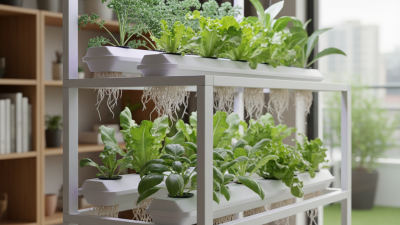
Starting hydroponics at home is an exciting journey. To ensure success, you need the right equipment and supplies. Essential items include a hydroponic system, grow lights, and nutrient solutions. A basic system can be a simple container with a water reservoir. Growing trays and net pots are also key components. They support your plants while allowing roots to access water and nutrients.
When setting up, consider the location. Choose a spot with good sunlight exposure or invest in quality grow lights. The right light is critical for plant growth and development. Adjust the height of the lights to prevent burning young plants.
Tips for beginners include monitoring water pH regularly. Ideally, it should be between 5.5 and 6.5. Nutrient levels also need consistent checking to avoid deficiencies. Small mistakes can lead to bigger issues, so stay attentive. Don’t hesitate to experiment with different plants to find what suits your system best. Learn from every cycle as each attempt brings new insights.
How to Start Hydroponics at Home for Beginners Guide? - Essential Equipment and Supplies for Home Hydroponics
| Item |
Description |
Purpose |
Estimated Cost ($) |
| Growing Medium |
Materials such as rock wool, clay pellets, or perlite. |
Supports plant roots and retains moisture. |
10 - 30 |
| Hydroponic System |
A setup like Deep Water Culture (DWC) or Nutrient Film Technique (NFT). |
Circulates nutrient solutions to plants. |
50 - 300 |
| Nutrient Solution |
Pre-mixed liquid nutrients tailored for hydroponics. |
Provides essential vitamins and minerals to plants. |
15 - 40 |
| Lighting |
LED grow lights or fluorescent lights that provide adequate spectrum. |
Supports photosynthesis in plants. |
20 - 100 |
| pH Meter |
Device for measuring the pH level of the nutrient solution. |
Ensures the nutrient solution is in optimal range. |
15 - 50 |
| Seeds or Seedlings |
Vegetable or herb seeds/seedlings suitable for hydroponic systems. |
The plants you want to grow. |
5 - 20 |
Selecting Suitable Plants for Hydroponic Gardening
When selecting suitable plants for hydroponic gardening, consider what grows well in a water-based environment.
Leafy greens are often the best choice for beginners.
Lettuce, spinach, and kale thrive in nutrient-rich water.
These plants are fast-growing and require less space. They also adapt easily to hydroponic systems.
Herbs are another great option.
Basil, mint, and cilantro often flourish in hydroponic setups.
They add flavor to dishes and can be harvested multiple times. However, monitor their light and nutrient requirements closely.
With herbs, the water temperature should be maintained around 70°F for optimal growth.
Keep in mind, not all plants will succeed in hydroponic systems. Root vegetables like carrots and potatoes do not adapt well.
They require soil for stability. It’s vital to research each plant's preferences. Some may need adjustments in pH levels or water conditions.
Experimentation is part of the learning curve, and not every attempt will be a success. Take notes on what works and what doesn’t.
Step-by-Step Setup Guide for Hydroponic Systems
Starting a hydroponic system at home might seem daunting. But with a structured approach, it can become an enjoyable project. Begin by selecting a suitable space. A well-lit area, preferably with natural sunlight, will benefit your plants. If natural light is insufficient, consider using grow lights. The size of your space will determine the scale of your setup.
Next, choose a hydroponic system that fits your needs. Common options include deep water culture and nutrient film technique. Each has its complexities and advantages. For water culture, use a container filled with nutrient-rich water. Plants are suspended in net pots. Ensure the water is oxygenated. Regularly check the pH levels, aiming for a neutral range. It requires discipline but is rewarding.
Lastly, consider the plants you want to grow. Some varieties are easier for beginners. Leafy greens and herbs are great starting points. Remember, perfecting your technique will demand patience and adjustments. You may face challenges such as nutrient imbalances or pest issues. Keep a journal to track your progress and learn from mistakes. Each step brings you closer to thriving hydroponics at home.
Basic Maintenance Tips for Successful Hydroponics at Home
Basic maintenance is key for successful hydroponics at home. Plants thrive in well-maintained systems. Regularly check water levels and pH. Ideal pH levels for most hydroponic systems range from 5.5 to 6.5. This ensures optimal nutrient absorption. Studies indicate that proper pH control can enhance plant growth by up to 30%.
Nutrient management is another vital aspect. Hydroponic systems require specific nutrients not found in soil. Consider a balanced nutrient solution tailored for your plants. Monitor nutrient concentration, aiming for levels recommended for your chosen crops. An excess or deficiency can hinder growth significantly. Research has shown that nutrient imbalances can decrease yields by up to 50%.
Keep an eye on system cleanliness. Debris can block systems and harbor pests. Cleaning every few weeks helps prevent diseases and keeps plants healthy. Observe your plants closely for signs of distress, like yellow leaves or stunted growth. Reflection on these signs will help you adjust your maintenance routine. Consistent attention to these details can make a significant difference in your hydroponic success.