Top 10 Aquaponics Greenhouse Solutions for Global Buyers?
Aquaponics Greenhouses represent an innovative approach to sustainable agriculture. They combine aquaculture and hydroponics, creating a symbiotic environment. This method allows for efficient food production with minimal environmental impact. As global buyers seek sustainable solutions, understanding the top options available is crucial.
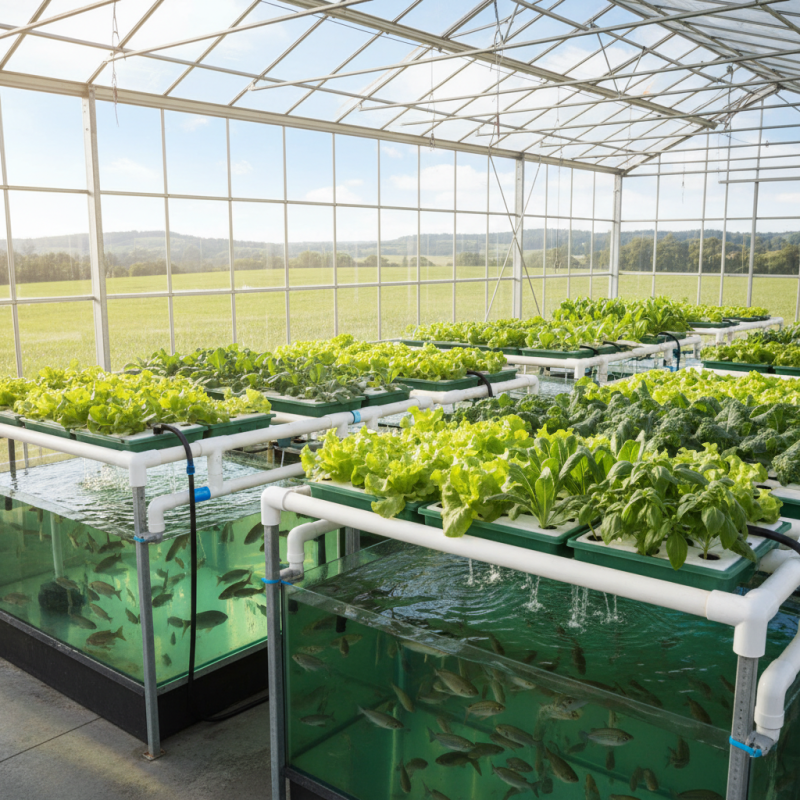
These systems leverage the natural relationship between fish and plants. Waste from fish provides nutrients for plants. In return, plants help filter and clean the water, creating a closed-loop ecosystem. However, not all systems are created equal. Some may fail to deliver expected results. It’s essential to evaluate efficiency and overall design.
Investing in an Aquaponics Greenhouse involves serious consideration. Quality comes from experience and expertise. Buyers should look for reliable suppliers with proven track records. Practical details, such as space and climate, influence system effectiveness. A well-researched decision can lead to fruitful outcomes. Creating a balanced ecosystem requires effort and adaptation. Challenges may arise, but the benefits are substantial.
Top 10 Aquaponics Greenhouse Solutions for Global Buyers
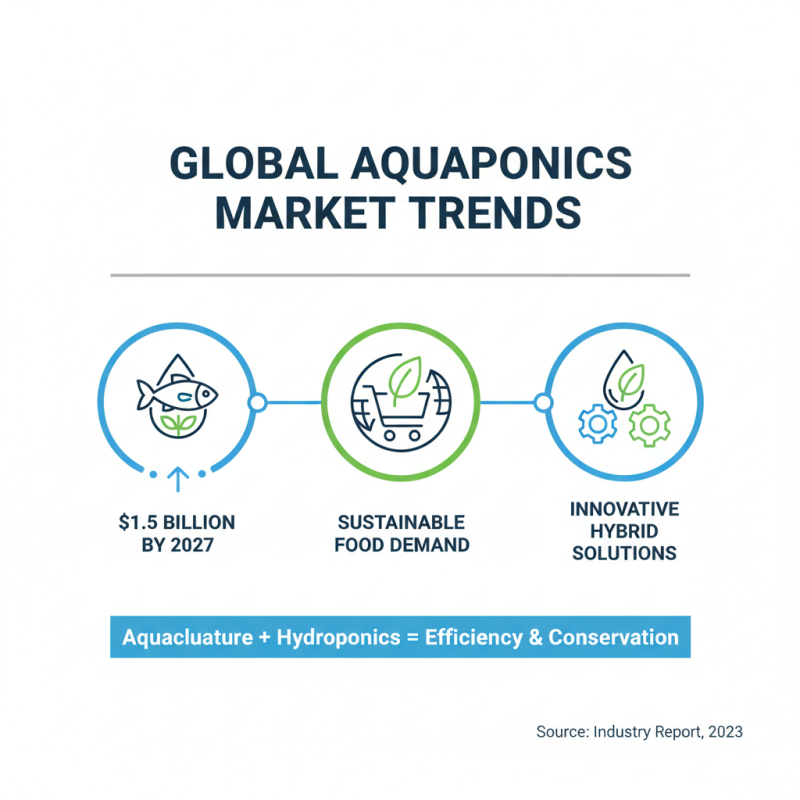
Aquaponics combines aquaculture and hydroponics, creating a sustainable farming method. This hybrid system offers a solution for food production in urban areas. According to a recent report by the Food and Agriculture Organization (FAO), aquaponics can increase crop yield by up to 50% compared to conventional farming.
The benefits of aquaponics are numerous. It requires 90% less water than traditional farming. Moreover, it reduces the need for chemical fertilizers, promoting an eco-friendly approach. However, setting up an effective aquaponics greenhouse can be challenging. Many users report issues related to system maintenance and balancing fish and plant needs. Proper training is essential for success in this innovative field.
Research shows that global demand for aquaponics systems is rising. The market is projected to grow by 10.2% annually until 2026. As more buyers explore solutions, the focus should remain on reliable systems that ensure long-term sustainability. Experimentation and adaptations to local conditions are vital for optimal results.
Key Components of Successful Aquaponics Greenhouses
Building a successful aquaponics greenhouse requires understanding its key components. First, the synergy between aquaculture and hydroponics is essential. Fish waste provides nutrients for plants, while plants filter water for fish. This closed-loop system can be incredibly efficient. However, achieving balance takes time and attention.
Water quality is crucial. Regular monitoring of pH, nitrate levels, and temperature ensures a healthy environment. Many beginners struggle with this aspect. Maintaining optimal conditions is challenging, but it directly affects plant and fish health. Using reliable testing kits can help.
Grow beds play a significant role too. The right medium supports plant roots while allowing for good drainage. Choosing between media like clay pellets or gravel impacts the growth rate. Many growers wish they had done more research before selecting their materials. Learning from mistakes can improve future setups. Proper planning and adjustments along the way lead to better results in aquaponics.
Top 10 Aquaponics Greenhouse Solutions for Global Buyers
This bar chart illustrates the top 10 aquaponics greenhouse solutions based on efficiency and sustainability metrics. The solutions are ranked by their overall effectiveness in maximizing resource usage.
Top Aquaponics Technologies: Innovations Transforming Greenhouse Farming
The world of aquaponics is evolving rapidly. New technologies are emerging to enhance greenhouse farming. These innovations hold the potential to maximize efficiency and yield.
Hydroponics combined with aquaculture is a notable trend. This method reduces water usage significantly. It recirculates water between fish tanks and plant beds, creating a sustainable cycle. Maintaining the right balance of fish and plants takes careful monitoring. It can be challenging, especially for beginners.
Tip: Start small and expand your system as you gain experience. Observe how fish and plants interact. This insight will help you optimize your setup.
Another innovation is the use of renewable energy systems. Solar panels and wind turbines can power greenhouse operations. This reduces dependency on traditional energy sources. However, the initial investment can be high. Reflect on your budget considerations before diving in.
Tip: Conduct a cost-benefit analysis. Consider both long-term savings and upfront costs. This will guide your decision.
Implementing smart technology also brings benefits. Sensor systems can monitor water quality and plant health. Automation can optimize feeding schedules for fish and nutrient levels for plants. Yet, technology failures can disrupt your system. Regular maintenance is essential to avoid issues.
Tip: Invest time in understanding your technology. Familiarize yourself with troubleshooting techniques. This knowledge will aid in maintaining a healthy aquaponics environment.
Cost-Benefit Analysis of Aquaponics Greenhouses for Buyers
Aquaponics greenhouses offer a unique integration of aquaculture and hydroponics. This system can provide a sustainable and efficient way to grow food. However, potential buyers need to consider the cost-benefit aspects before investing. Initial costs can be high. Setup expenses might include equipment, tanks, and greenhouse materials. Yet, these can lead to savings in water and fertilizer over time.
The yields from aquaponics can be impressive. Growing vegetables and fish together ensures a continuous supply of organic produce. Nonetheless, buyers must analyze operational costs. Energy use for heating and lighting can add up. Additionally, maintenance and system management require time and expertise. Some people find these demands challenging, questioning their initial enthusiasm.
Buyers should evaluate their local market. Understanding the demand for organic produce can drive profitability. Conducting a local feasibility study might uncover critical insights. While aquaponics has many benefits, not every initiative guarantees success. Reflecting on these factors will help ensure that investments are well-placed and sustainable.
Top 10 Aquaponics Greenhouse Solutions for Global Buyers - Cost-Benefit Analysis
| Solution Type |
Initial Cost (USD) |
Operating Cost (Annual, USD) |
Yield per Year (kg) |
Net Profit (Annual, USD) |
ROI (%) |
| Small Backyard System |
1500 |
200 |
200 |
800 |
53.33 |
| Commercial Greenhouse |
30000 |
3000 |
5000 |
20000 |
66.67 |
| Urban Farm System |
10000 |
1500 |
3000 |
12000 |
80.00 |
| Large Scale Farm |
50000 |
5000 |
10000 |
40000 |
80.00 |
| Rooftop System |
8000 |
1000 |
1800 |
7000 |
87.50 |
| Hybrid Aquaponics System |
25000 |
2500 |
6000 |
28000 |
68.00 |
| Modular Aquaponics Kit |
3000 |
500 |
800 |
2500 |
83.33 |
| Educational Kit |
900 |
100 |
150 |
400 |
44.44 |
| DWC System (Deep Water Culture) |
4000 |
600 |
1200 |
3800 |
95.00 |
| NFT System (Nutrient Film Technique) |
3500 |
500 |
1000 |
3000 |
85.71 |
Conclusion
The article "Top 10 Aquaponics Greenhouse Solutions for Global Buyers" provides an insightful overview of the burgeoning field of aquaponics, highlighting its relevance in the modern agricultural landscape. It begins by exploring global market trends and the increasing demand for sustainable food production systems. Key components essential for the success of aquaponics greenhouses are detailed, emphasizing the importance of integrated systems that blend aquaculture and hydroponics effectively.
Furthermore, the article delves into cutting-edge technologies that are revolutionizing greenhouse farming, showcasing innovative methods that enhance efficiency and productivity. A cost-benefit analysis presents potential buyers with a clear understanding of the financial implications of investing in aquaponics greenhouses. Finally, the discussion on sustainable practices underscores the environmental and economic advantages that aquaponics offers, making it an appealing choice for buyers worldwide seeking eco-friendly agricultural solutions.