2026 Top Benefits of Multi Span Greenhouses Explained
In recent years, the agricultural sector has witnessed a growing interest in Multi-Span Greenhouses. These structures offer several benefits that enhance productivity and sustainability. According to a report by the International Society for Horticultural Science, Multi-Span Greenhouses can increase crop yields by up to 30% compared to traditional methods.
Expert horticulturist Dr. Emily Carter emphasizes the importance of this technology, stating, "Multi-Span Greenhouses are revolutionizing our approach to agriculture." This innovative design allows for better climate control and resource management. They enable farmers to grow crops year-round, improving food security.
However, challenges exist. Initial investment costs can be daunting, and not all farmers may have access to necessary technology. Balancing expense and benefit is vital. As we delve into the numerous advantages of Multi-Span Greenhouses, it is crucial to consider both the opportunities and obstacles they present.
Understanding Multi Span Greenhouses: An Overview
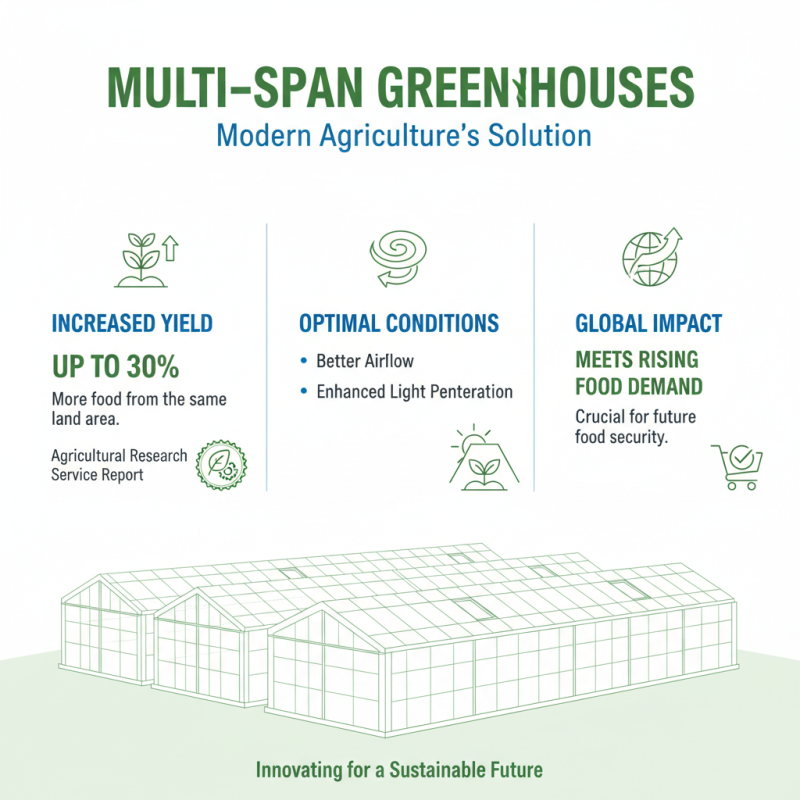
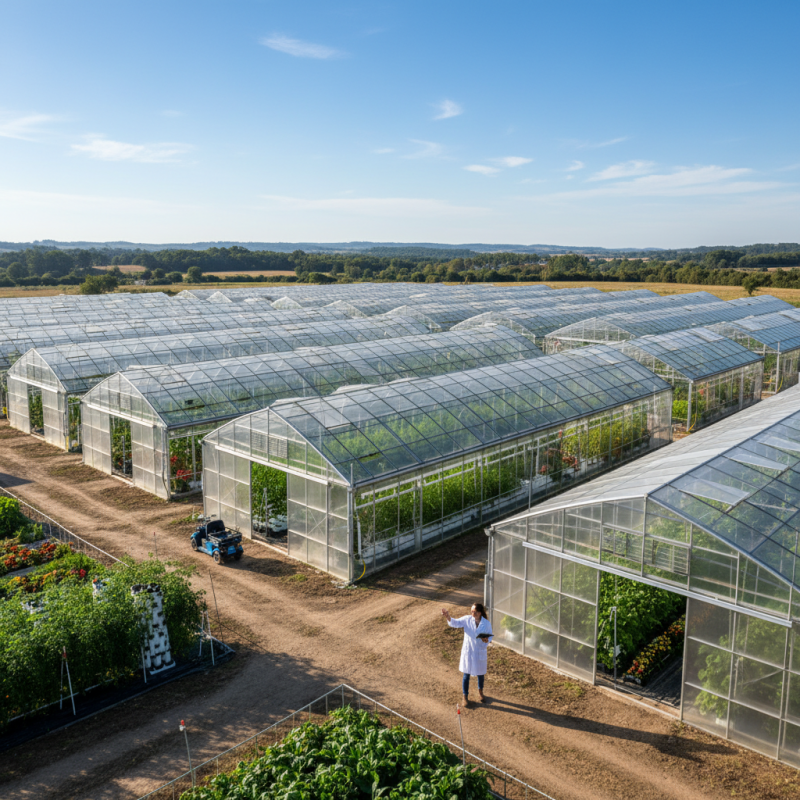
Multi span greenhouses are essential for modern agriculture. They offer significant advantages over traditional single-span structures. According to a report from the Agricultural Research Service, multi span greenhouses can increase crop yield by up to 30%. This improvement is crucial for meeting rising food demand. They allow better airflow and light penetration, which are vital for plant growth.
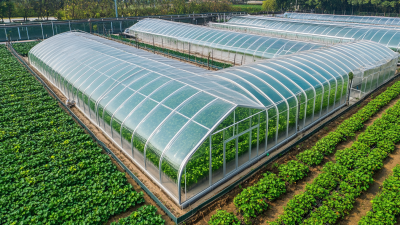
These greenhouses are designed to maximize space and efficiency. They often cover larger areas, with some exceeding 1,000 square meters. This design means more crops in a controlled environment. However, the initial cost can be a barrier for small farmers. Installation isn't simple. The materials and construction processes require careful planning and investment.
Farmers must also consider maintenance. With multiple spans, upkeep can be more complex. Regular inspections are crucial to prevent issues like leaks or structural failures. Some reports highlight that ongoing maintenance costs can reach 15% of the initial investment annually. This challenge prompts reflection on the long-term sustainability. Multi span structures present both opportunities and obstacles in the agricultural landscape.
Key Advantages of Multi Span Greenhouses for Crop Production
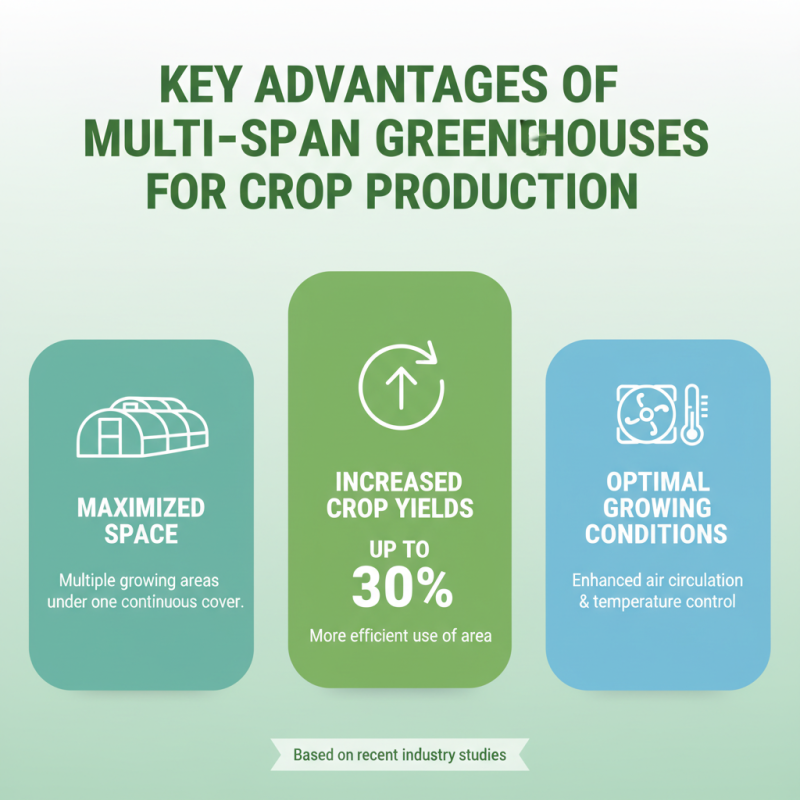
Multi span greenhouses offer numerous advantages for crop production that are impressive and noteworthy. These structures maximize space by allowing multiple growing areas under one continuous cover. According to recent industry studies, the efficiency of multi span greenhouses can increase crop yields by up to 30%. Enhanced air circulation and temperature control within these greenhouses create ideal conditions for plant growth.
Furthermore, multi span greenhouses use less energy than traditional single-span models. They utilize natural light more effectively, reducing reliance on artificial lighting. Reports indicate that energy costs can be lowered by approximately 25% when using multi span configurations. However, there are challenges. High initial costs can deter some farmers. The investment may take longer to pay off in regions with extreme weather conditions.
Another consideration is maintenance. While these greenhouses offer durability, they still require regular upkeep. Structural integrity must be monitored closely, especially in heavy snow or high winds. Neglecting maintenance can lead to costly repairs down the road. As the agricultural landscape evolves, understanding these dynamics becomes crucial for successful crop production in multi span greenhouses.
Energy Efficiency and Cost-Effectiveness of Multi Span Structures
Multi-span greenhouses are increasingly recognized for their
energy efficiency and cost-effectiveness. According to recent industry analysis, these structures can reduce heating costs
by up to 30%. This is largely due to their design, which maximizes
sunlight exposure and minimizes heat loss. Energy-efficient materials and insulation play a crucial role, allowing a
stable internal temperature year-round.
The initial investment in multi-span greenhouses is significant. However, the long-term savings can outweigh this cost.
A field study indicated that growers reported a 25% decrease in
operational expenses after switching from traditional single-span to multi-span designs.
The ability to produce crops year-round can also enhance profitability. Yet, switching to this technology may require a
shift in cultivation practices. Adaptation can be difficult for some growers.
Moreover, the environmental advantages are noteworthy. Multi-span greenhouses can decrease reliance on fossil fuels,
contributing to sustainability. Reports suggest that using such structures can cut CO2 emissions by about 40%. However, not all growers have access to the capital required for
such investment, which raises questions about equity in the industry. Dilemmas like these must be addressed for broader adoption.
Improved Climate Control in Multi Span Greenhouses
Multi-span greenhouses offer significant advantages in climate control. More space means better air circulation. This can help plants grow more vigorously. The design captures sunlight efficiently, reducing heating costs. However, it's essential to monitor humidity levels closely. Too much moisture can lead to mold and disease.
One feature to consider is the use of automated systems. These can regulate temperature and humidity. Yet, reliance on technology might cause issues if systems fail. Regular check-ups and maintenance are crucial. Manual overrides should be easy to implement to avoid plant stress during breakdowns.
Another aspect is the potential for better pest control. With improved climate, pests may thrive less. However, a more stable environment can also support beneficial insects. Finding the right balance is not always straightforward. Each greenhouse becomes a unique ecosystem. Adjustments need observation and thoughtful tweaking.
2026 Top Benefits of Multi Span Greenhouses Explained - Improved Climate Control
Enhanced Crop Diversity and Yield Potential in Multi Span Design
Multi span greenhouses offer significant advantages for crop diversity and yield potential. Their structure allows for a larger growing area. This design enhances air circulation and light penetration.
According to a recent industry report, these greenhouses can increase crop yields by up to 30%. This statistic highlights the potential of a more controlled environment.
Farmers benefit from growing various crops in one space. Different crops can co-exist, leading to increased biodiversity. Multi span greenhouses can adapt to different climatic conditions.
However, managing diverse crops requires careful planning. Crop compatibility must be assessed, which can be challenging.
Investing in multi span systems involves upfront costs. This sometimes deters farmers from adopting this method. Yet, the long-term benefits can outweigh these initial investments.
Ensuring optimal conditions for each crop is essential. If not managed properly, yields may suffer. Balancing diversity with productivity remains a key challenge for growers.