Top 10 Hydroponics Systems in China for Global Buyers?
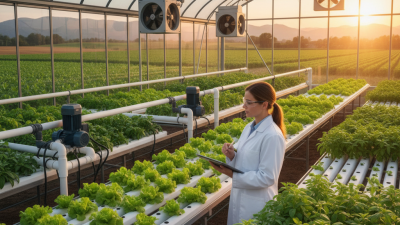
The rising popularity of hydroponics in China is reshaping agriculture. As global buyers seek efficient farming solutions, hydroponics systems stand out. Dr. Lina Zhang, a recognized expert in hydroponics, notes, "Hydroponics isn’t just a trend; it’s the future of agriculture." This statement highlights a shift towards sustainable practices.
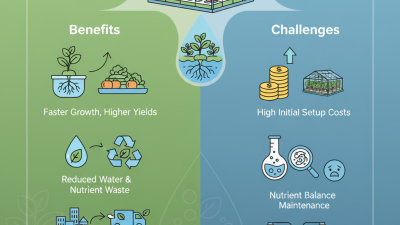
Exploring the top hydroponics systems in China provides insight into innovations driving this industry. With advancements in technology, farmers can grow crops in controlled environments. This method conserves water and maximizes space. However, challenges remain. Not all systems are suited for every type of plant. Some may yield lower production rates initially.
Understanding which hydroponics systems work best is crucial for global buyers. The landscape is diverse, and not all solutions are ideal. Some systems require significant investment or expertise. Buyers must carefully assess their needs. Balancing efficiency and cost is key to success in hydroponics.
Top Hydroponics Systems Overview for Global Buyers in China
Hydroponics is gaining popularity worldwide, and China is at the forefront of this revolution. The country's hydroponics market has shown significant growth, with a projected increase of 11.7% annually. This growth is driven by urbanization, the need for sustainable food sources, and advanced agricultural technologies. Global buyers are tapping into this trend, looking for top-notch hydroponics systems that can be efficiently used in various environments.
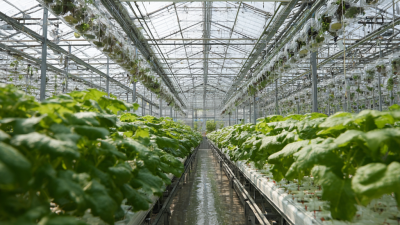
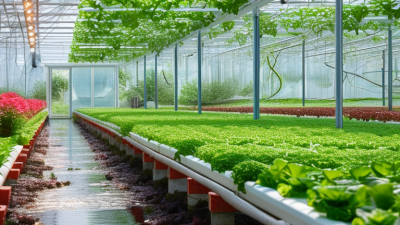
China boasts a range of innovative hydroponic systems. Nutrient film technique (NFT) and deep water culture (DWC) are among the most favored. These systems allow plants to grow without soil, relying instead on nutrient-rich water solutions. A recent industry report emphasized the importance of optimizing light conditions. Proper lighting can significantly enhance plant growth rates and yield.
Tips: Consider the local climate before choosing a system. Some systems may require additional ventilation or cooling. Pay attention to nutrient solutions, as they vary widely in quality. Regular testing ensures plants receive optimal nourishment. It's crucial for buyers to connect with local growers and experts for tailored advice. Engaging with professionals will help you make informed decisions that align with specific growing conditions.
Key Features to Consider in Hydroponics Systems
Hydroponics systems offer a modern approach to agriculture, leveraging soil-less methods to enhance plant growth. When selecting a hydroponics system, several key features should be taken into account. The type of system—such as nutrient film technique (NFT), deep water culture (DWC), or aeroponics—matters significantly. Each system has unique benefits and challenges that can influence crop yield. A report from the International Society for Horticultural Science indicates that aeroponic systems can achieve up to 30% faster growth than traditional methods.
Equally important is the nutrient management system. Efficient nutrient delivery is critical for healthy plant development. Studies suggest that a balanced nutrient solution can improve growth rates by up to 40%. Additionally, the system's scalability is crucial for buyers looking to expand. Data shows that modular systems allow for easier adjustments as demands change, optimizing overall productivity. However, adjusting nutrient levels can be tricky. Too much or too little can lead to nutrient burn or stunted growth.
Light and temperature control are other vital features. Hydroponics often relies on artificial lighting, which can significantly impact energy costs. The World Bank reports that controlled environment agriculture has reduced energy consumption by 25% in optimized systems. However, choosing the wrong type of light can affect plant health. Lights must be monitored closely during growth cycles to ensure optimal conditions.
Comparison of Popular Hydroponics Systems in China
Hydroponics has transformed modern agriculture, especially in China. Many systems cater to different needs. Buyers should understand key features and functionalities of various systems before making a choice.
When comparing hydroponics systems, factors like space, crop type, and budget matter. Nutrient Film Technique (NFT) offers efficient growth but requires careful monitoring. Deep Water Culture (DWC) is user-friendly, yet oxygen levels can be a challenge. Aeroponics systems excel in efficiency, but they can be costly to maintain.
Tips: Always start with a small-scale setup. This helps in understanding the maintenance required. Regularly check pH levels to ensure optimal growth. Don’t overlook the significance of lighting—it's crucial for growth cycles.
Buyers must reflect on their long-term goals. Some systems may seem straightforward but demand more technical know-how. Researching local resources and community support can guide you through the learning curve. The landscape of hydroponics in China is evolving, and staying informed is crucial.
Market Trends and Innovations in Hydroponics Technology
Hydroponics technology has witnessed significant advancements globally, notably in China. As urban populations rise, innovative systems are emerging to meet increasing demand for sustainable agriculture. New research focuses on improving nutrient delivery and plant growth efficiencies. The integration of IoT devices has also made it easier to monitor and control hydroponic systems.
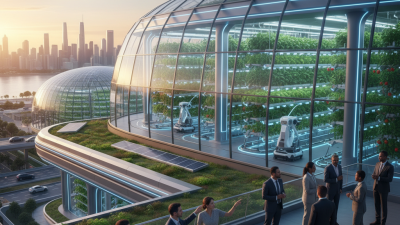
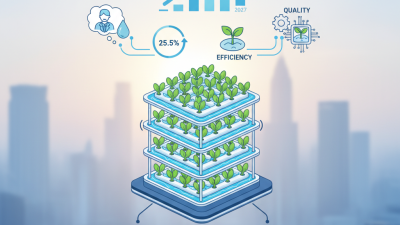
Some of the key trends include vertical farming and automated nutrient systems. Vertical farms maximize space and yield by stacking plants. This approach significantly reduces the carbon footprint while enhancing productivity. Automated systems simplify nutrient management, reducing labor intensity and minimizing error. The use of artificial intelligence in monitoring plant health is growing. This aids in early disease detection, ultimately leading to better yields.
Tips: When considering hydroponics, choose the right system based on your available space. Understand the specific needs of the plants you want to grow. Regular monitoring of water quality and nutrient levels is crucial for success. Explore community forums for shared experiences, but be aware that not all advice is reliable. Your own experimentation can lead to better insights.
Tips for Selecting the Right Hydroponics System for Your Needs
When choosing a hydroponics system, understanding your specific needs is vital. Gardening experience plays a crucial role. Beginners might prefer simpler systems, while seasoned growers can handle complex setups. Consider the scale of your operation as well. Are you growing for personal use or for commercial purposes? This will impact the design and size of the system you choose.
Tips to keep in mind include assessing your space. Evaluate the lighting, water accessibility, and environmental control. Smaller areas might benefit from vertical systems, while larger spaces allow for more extensive setups. Pay attention to the types of plants you want to grow. Some systems favor leafy greens, while others support fruiting plants better. Always remember, not every system fits every plant.
Ponder the initial investment and operating costs. Systems vary in price and maintenance. A lower-priced system might save money upfront but could fail to perform effectively. It's crucial to balance cost with functionality. Document your growing progress and be ready to adapt as needed. Fine-tuning is part of the hydroponic gardening journey.
Top 10 Hydroponics Systems in China for Global Buyers
| System Type |
Grow Area (sq ft) |
Water Consumption (liters/week) |
Setup Complexity |
Price Range (USD) |
| Nutrient Film Technique (NFT) |
50 |
30 |
Moderate |
500 - 1000 |
| Deep Water Culture (DWC) |
40 |
25 |
Easy |
400 - 800 |
| Ebb and Flow |
30 |
20 |
Moderate |
300 - 700 |
| Aeroponics |
25 |
15 |
High |
600 - 1200 |
| Wick System |
60 |
22 |
Easy |
200 - 500 |
| Vertical Hydroponics |
35 |
18 |
Moderate |
700 - 1300 |
| Bucket System |
20 |
10 |
Easy |
250 - 600 |
| Drip System |
55 |
28 |
Moderate |
500 - 1000 |
| Container Garden Hydroponics |
45 |
35 |
Easy |
350 - 750 |