Top 10 Smart Greenhouse Solutions for Global Buyers?
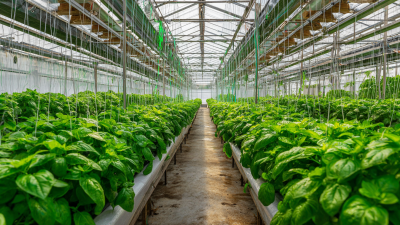
In recent years, the concept of the "Smart Greenhouse" has gained immense popularity among global buyers. These innovative structures use advanced technologies to optimize plant growth and resource management. Smart greenhouses integrate automation, sensors, and data analytics. This approach enhances efficiency and sustainability.
The global market is shifting towards environmentally friendly solutions. Smart greenhouses stand at the forefront of this transition. They provide solutions for various challenges such as climate change and food security. Buyers can explore diverse options tailored to their unique needs. However, not all technologies promise the same level of efficiency.
Investing in smart greenhouse solutions can be daunting. The variety of choices can overwhelm potential buyers. It is crucial to consider factors like cost, scalability, and reliability. Some technologies may not deliver the expected results. Thus, careful research and comparison are essential before making a decision. As we delve into the top 10 smart greenhouse solutions, we aim to guide buyers in making informed choices.
Innovative Technology in Smart Greenhouses
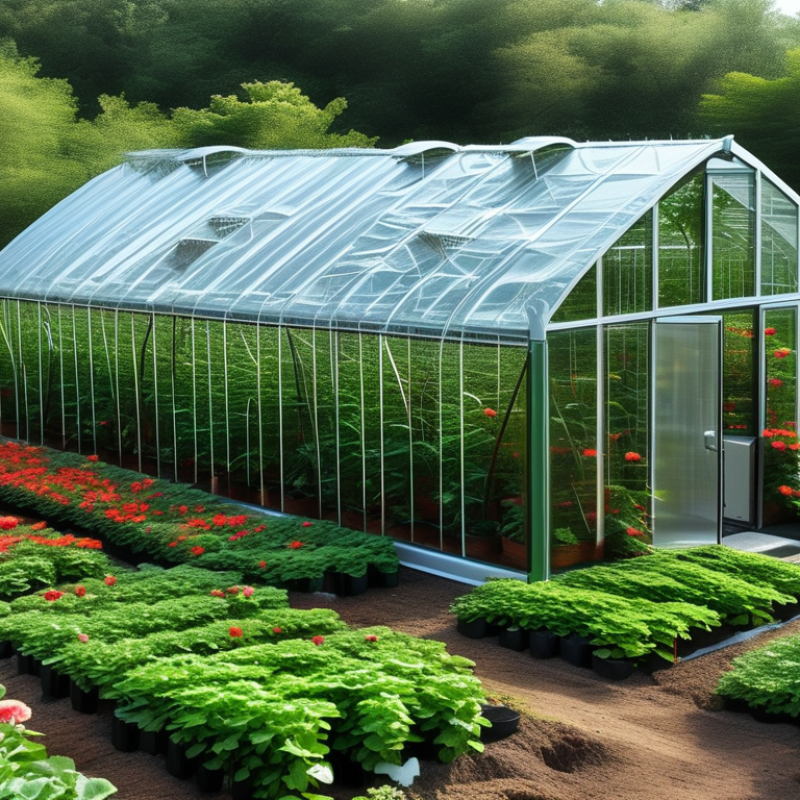
The integration of innovative technology in smart greenhouses is rapidly transforming agriculture. Recent data shows that the global smart greenhouse market is expected to grow at a compound annual growth rate (CAGR) of 22.2% from 2021 to 2028. This growth reflects a rising demand for efficient and sustainable farming practices.
Sensors, automation, and artificial intelligence are key technologies driving this trend. For instance, climate control systems can automatically adjust temperature and humidity levels. This ensures optimal growth conditions, reducing the need for excessive resource input. A report by Research and Markets indicates that sustainable practices can lead to yield increases of up to 30% in controlled environments. However, while these technologies promise higher productivity, their complexity can sometimes pose challenges for farmers unfamiliar with digital tools.
Data analytics plays a vital role in decision-making. Smart greenhouses utilize real-time data to analyze crop health and environmental conditions. This information helps farmers make informed decisions about irrigation and fertilization. Yet, the reliance on data can lead to over-dependence on technology. It’s crucial for farmers to strike a balance between technology use and traditional knowledge. This reflects a need for ongoing education and adaptation in the evolving agricultural landscape.
Key Features of Energy-Efficient Greenhouse Solutions
Energy-efficient greenhouse solutions are becoming essential for
sustainable agriculture. They offer
innovative features that enhance productivity while reducing resource consumption. For instance,
advanced climate control systems regulate temperature and humidity.
This creates optimal growing conditions with less energy use.
Solar panels often power these systems, making the greenhouse more self-sufficient.
Another critical feature is smart irrigation technology.
This system monitors moisture levels in the soil. It delivers water only when needed, minimizing waste.
Sensors track various environmental factors, which help
in making informed decisions about crop management.
However, integrating such technologies may require significant upfront investment, which some farmers may
find challenging.
Nutrient delivery systems represent another innovative approach.
They allow for precise application of fertilizers and water. This targeted method reduces runoff and enhances
plant growth. Despite these benefits, users must be trained to operate such systems efficiently. Balancing
technology and usability is crucial for maximized outcomes in energy-efficient greenhouses.
Automation and Control Systems for Optimal Plant Growth
In modern agriculture, automation and control systems are essential for optimal plant growth. Smart greenhouses utilize advanced technologies to enhance efficiency. These systems monitor light, temperature, humidity, and nutrient levels. Constant data collection allows for real-time adjustments. This accuracy leads to healthier plants and increased yields.
Tips: Regularly update your software for better performance. Sensors require calibration to ensure accurate readings. Neglecting this can lead to fluctuating conditions, affecting plant health.
Implementing automation can seem daunting. Some growers might hesitate due to the initial investment. It's crucial to weigh the long-term benefits against upfront costs. Inconsistent results can stem from manual processes. Evaluating your unique needs helps in choosing the right solution.
Tips: Start with basic automation features. Gradually add more systems as you grow comfortable. Focus on data analysis to improve your decision-making process.
Sustainable Practices in Smart Greenhouse Operations
Sustainable practices are essential in smart greenhouse operations. These practices focus on efficient resource management. Water usage is a critical aspect. Automated irrigation systems can significantly reduce water waste. Sensors help monitor moisture levels in the soil, ensuring plants receive adequate watering without excess.
Energy consumption is another key consideration. Utilizing solar panels can help power greenhouses sustainably. This energy can run lighting, heating, and cooling systems. Many greenhouses are now employing energy-efficient LED lights. These not only save power but also optimize plant growth. However, the initial investment can be a barrier for some operations.
Incorporating biodiversity is vital. Allowing beneficial insects to thrive can reduce pest populations naturally. This decreases the need for chemical pesticides. However, it requires constant observation and adjustments. Understanding plant interactions can be complex. Mistakes in this area can cause crop failures. Sustainable greenhouse practices need continuous learning and adaptation from growers.
Market Trends for Smart Greenhouse Solutions in 2023
The smart greenhouse market is evolving rapidly in 2023. More growers are leaning toward technology-driven solutions to optimize their yields. Innovations such as automated climate control and real-time monitoring systems are gaining traction. These features can significantly enhance plant growth by maintaining ideal conditions. The integration of IoT tools has also become increasingly popular. This technology allows for seamless data collection and analysis, making decision-making easier.
Consumers are driving demand for sustainable practices. There is a notable shift toward organic produce, and smart greenhouses can meet this need. Energy-efficient systems not only reduce costs but also appeal to eco-conscious buyers. However, adapting to these technologies can be challenging. Initial costs and technical knowledge might deter some potential users. The industry must address these concerns to broaden accessibility.
Trends indicate a growing interest in vertical farming and hydroponics within smart greenhouses. These methods utilize space efficiently and maximize crop output. Yet, the transition to such systems requires careful planning and investment. Education and support are crucial for successful adaptation. As more data becomes available, the benefits will become clearer. Building trust in these solutions will take time and refinement.
Top 10 Smart Greenhouse Solutions for Global Buyers - 2023