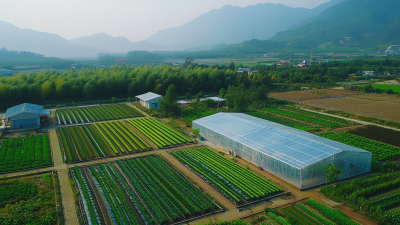
Why Choose an Industrial Greenhouse for Sustainable Farming?
In today's quest for sustainable farming, the role of an Industrial Greenhouse is pivotal. Dr. Emily Carter, a renowned authority in agricultural technology, emphasizes, "Industrial Greenhouses can significantly reduce resource waste while boosting crop yield." This statement reflects the growing trend towards eco-friendly farming practices.
The design of an Industrial Greenhouse harnesses natural elements to optimize growing conditions. Through advanced climate control, these structures ensure consistent temperature and humidity, nurturing plants year-round. This innovative approach minimizes reliance on seasonal weather patterns, a critical factor in addressing food security challenges.
Sustainability is not without its challenges. While Industrial Greenhouses offer numerous benefits, they also require careful management and investment. Farmers must consider initial costs and the environmental impact of construction materials. Balancing these factors is key to achieving long-term success in sustainable agriculture. The quest for efficiency continues, prompting reflections on how we can improve and innovate further.
Benefits of Industrial Greenhouses for Sustainable Agriculture
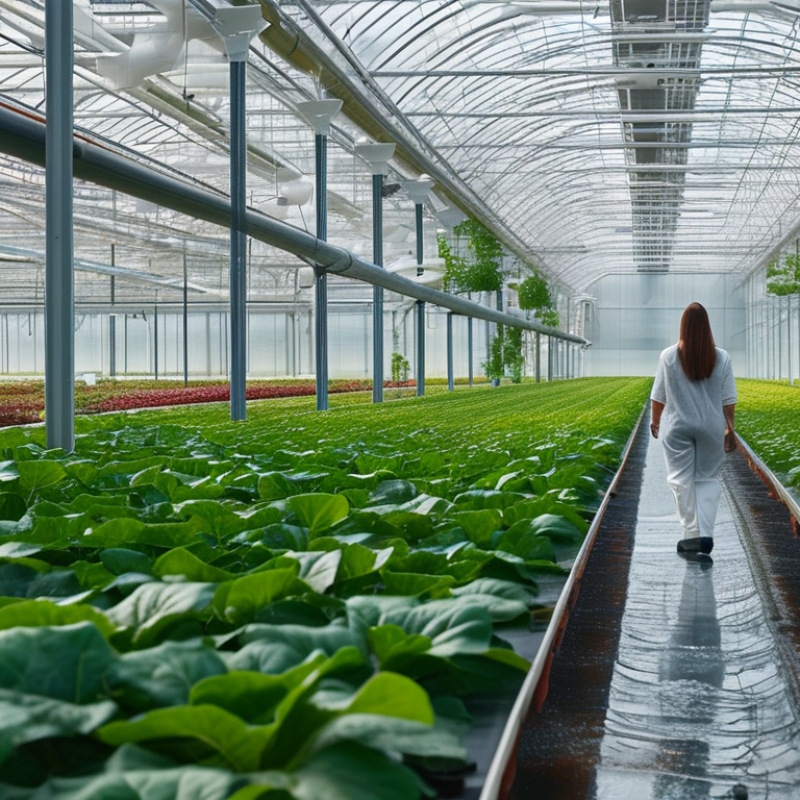
Industrial greenhouses offer a myriad of benefits for sustainable agriculture. They provide a controlled environment for crops, optimizing conditions for growth. Temperature, humidity, and light levels can be easily regulated. This leads to higher yields, allowing farmers to produce more on smaller land. Moreover, these structures can minimize pesticide use, promoting healthier practices.
Water conservation is another key advantage. Industrial greenhouses often employ advanced irrigation systems. These systems deliver water directly to the plant roots, reducing waste. This is crucial in areas facing water scarcity. Additionally, the use of renewable energy sources in these greenhouses can further lessen their environmental impact. Solar panels can power operations, decreasing reliance on fossil fuels.
However, constructing and maintaining industrial greenhouses can be costly. Initial investments may discourage some farmers. Ongoing maintenance requires expertise. This can sometimes lead to a reliance on specialized knowledge, which may be a barrier for smaller operations. Sustainable farming is complex, requiring continuous reflection and adaptation. Embracing these challenges can ultimately yield rewarding results for the environment and local communities.
Why Choose an Industrial Greenhouse for Sustainable Farming? - Benefits of Industrial Greenhouses for Sustainable Agriculture
| Benefit |
Description |
Impact on Sustainability |
| Resource Efficiency |
Maximizes water, space, and energy usage through controlled environments. |
Reduces waste and conserves natural resources. |
| Pest Control |
Minimizes pesticide use with integrated pest management strategies. |
Less chemical runoff, promoting healthier ecosystems. |
| Extended Growing Seasons |
Allows for year-round cultivation and better crop rotation. |
Increases food security and minimizes reliance on imports. |
| Reduction of Transportation Emissions |
Local production reduces the distance food travels to consumers. |
Lower carbon footprint from transportation. |
| Biodiversity Support |
Encourages diverse planting that attracts beneficial insects. |
Promotes healthy ecosystems and pollination. |
Key Features of Industrial Greenhouses: Enhancing Crop Production
Industrial greenhouses offer numerous features that enhance crop production. They create controlled environments for plants. Factors like temperature, humidity, and light can be optimized. This results in higher yield and better quality produce. The use of technology, such as automated irrigation, ensures water efficiency. Additionally, advanced sensors monitor plant health closely.
However, setting up an industrial greenhouse can be complex. It requires careful planning and investment. Farmers must consider factors like location and crop choice. Each greenhouse design offers different advantages, which may not fit every situation.
Tips for effective greenhouse management: Monitor environmental conditions regularly. Adjust settings based on the specific needs of your crops. Regular maintenance of systems is crucial. Neglecting minor issues can lead to larger problems later. Sometimes, unexpected challenges arise, requiring quick adaptations. Embrace flexibility and innovation to thrive in this evolving field.
Environmental Impact: Reducing Carbon Footprint with Greenhouses
Industrial greenhouses play a vital role in sustainable farming. They significantly reduce the carbon footprint associated with traditional agriculture. A recent report by the Food and Agriculture Organization (FAO) highlights that greenhouse operations can cut greenhouse gas emissions by up to 30%. This is largely due to the controlled environments that enhance plant growth while minimizing resource waste.
Water usage is another critical factor. Traditional farming consumes approximately 70% of the world’s freshwater. Greenhouses use advanced irrigation techniques, like drip systems, which can reduce water consumption by up to 50%. Employing such methods not only conserves water but also limits runoff, improving local water quality.
While the benefits are notable, challenges remain. The initial setup cost of industrial greenhouses can be high. Additionally, greenhouse management requires expertise that many farmers might not possess. As the industry evolves, ongoing training and support will be essential to maximize sustainability efforts. The shift toward industrial greenhouses is essential, yet it must be approached with care and consideration for potential hurdles.
Economic Advantages: Cost Efficiency of Industrial Greenhouse Farming
Industrial greenhouses present a unique opportunity for sustainable farming, particularly in terms of cost efficiency. They maximize land use and can significantly reduce water consumption. These structures create an ideal environment for growing crops year-round. This means less reliance on seasonal weather patterns. Instead, farmers can maintain consistent production levels.
The initial investment in an industrial greenhouse can be daunting. However, many growers have seen a return on investment in just a few seasons. Lower energy costs and reduced labor expenses contribute to this efficiency. Automation technologies also help streamline operations. They minimize manual labor, allowing farmers to focus on strategic growth choices.
Potential challenges do exist. Not all locations are suitable for large greenhouses, and energy sources can vary widely. It’s essential to analyze the local environment and resources before diving in. Some may find that the technology requires ongoing maintenance and updates. Despite these hurdles, the economic advantages often outweigh the drawbacks. Sustainable farming through industrial greenhouses could reshape future agricultural practices.
Technological Innovations in Industrial Greenhouses for Sustainable Practices
The integration of technological innovations in industrial greenhouses is reshaping sustainable farming.
Smart sensors monitor humidity, temperature, and soil conditions in real-time. This data helps farmers make informed decisions, enhancing crop yield while minimizing waste.
Advanced irrigation systems reduce water usage efficiently. Farmers can precisely control water delivery, preventing over-irrigation and conserving vital resources.
Automation is another key aspect of modern greenhouses. Robotics assist in planting,
maintaining, and harvesting crops. This technology reduces labor costs and improves precision in tasks. However, reliance on technology raises
questions about job security for laborers. Balancing automated systems with human skills is essential for a sustainable future.
Renewable energy sources are also pivotal. Greenhouses equipped with solar panels can power their operations sustainably.
Yet, the initial investment may be daunting for many. Economic feasibility must be considered. Continuous evaluation of these technologies ensures they meet sustainability
goals while being economically viable for farmers. The path to a truly green farming future requires ongoing reflection and adaptation.