Top 10 Tips for Using Light Deprivation Greenhouses Effectively?
The use of Light Deprivation Greenhouses has gained momentum in agriculture, especially in controlled environment farming. According to industry reports, these structures can increase yields by up to 30% compared to traditional methods. Growers use light deprivation techniques to manipulate light cycles, enhancing plant growth and flowering. This method helps in maintaining optimal conditions for crops, leading to higher efficiency.
However, while these greenhouses offer many advantages, they also present challenges. Managing temperature and humidity becomes crucial. An industry study showed that 40% of growers faced issues relating to environmental control. Moreover, a lack of experience can complicate operations. Many new growers overlook the importance of proper setup and monitoring, leading to suboptimal results.
Maximizing the potential of Light Deprivation Greenhouses requires both expertise and careful planning. Understanding the nuances of this technology is vital for success. Growers must remain aware of their environmental conditions and adjust techniques accordingly. In a rapidly evolving agricultural landscape, staying informed and adapting practices is essential.
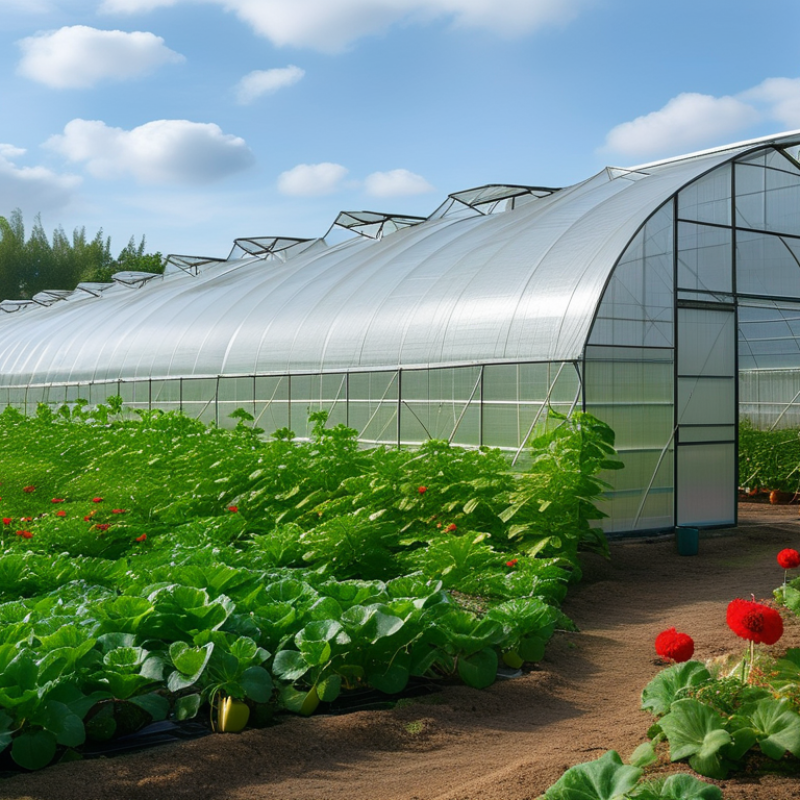
Understanding Light Deprivation Techniques in Greenhouse Cultivation
Understanding light deprivation techniques can enhance greenhouse cultivation significantly. These methods allow growers to control the light exposure their plants receive. By manipulating light periods, one can influence flowering cycles, leading to better yields and healthier plants. Ensuring the right balance of light and darkness is key. Plants require dark periods for optimal growth.
One approach is to use blackout tarps or covers. These create total darkness when needed. It’s crucial to ensure that the covers are light-proof. Any light leakage can disrupt the growth cycle. Proper installation can prevent unwanted exposure. On the other hand, evolving weather conditions can pose challenges. Storms or strong winds might damage the setup, requiring regular checks and maintenance.
Managing light cycles is not always straightforward. Inconsistent schedules can stress plants. This could result in poor growth and lower yields. Regular monitoring of environmental conditions is essential. Additionally, understanding plant responses is vital. Observe how your plants adapt to changes. Adjust techniques as necessary. Pay attention to any signs of distress. Adapting to these factors can significantly improve the success of your light deprivation greenhouse.
Optimal Light Cycle Scheduling for Higher Yields in Greenhouses
Light deprivation greenhouses are game changers for optimizing plant growth. Scheduling the right light cycles can significantly enhance crop yields. Many growers underestimate the importance of this aspect. A well-planned light schedule mimics the natural environment to stimulate plant development.
Start by understanding your crop's specific light needs. Some plants respond better to longer light hours, while others thrive in darkness. Monitoring light intensity is crucial. Too much light can stress plants, leading to stunted growth. Pay attention to ambient temperature as well; it affects photosynthesis rates.
Regular reflections on your light schedule can lead to improvements. What worked last season may not yield the same results this year. Adjust your timings based on plant responses. Keep records to identify patterns over time. Experiment with gradual changes to find optimal settings. Inconsistencies in light exposure can hinder growth, especially during critical flowering stages.
Key Environmental Factors Impacting Plant Growth in Light-Deprived Spaces
Light deprivation greenhouses provide unique conditions for plant growth. Understanding key environmental factors is crucial in these spaces. Light is essential for photosynthesis, but in a light-deprived setting, managing darkness becomes vital. Absolute darkness encourages certain plants to flower. However, too much darkness can hinder growth.
Temperature control is another critical factor. Greenhouses must maintain optimal temperatures for plant health. Ideal temperatures vary by plant species. Too hot or too cold can lead to stress and reduced yields. Regular monitoring is necessary. Humidity levels must also be managed carefully. Excess humidity can foster mold, while low humidity can cause wilting.
Air circulation requires attention too. Stagnant air can lead to fungal diseases. A well-designed greenhouse will have adequate airflow. It's worth experimenting with different configurations. Finding the balance between light, temperature, humidity, and air flow takes time. Each greenhouse will have unique challenges. Keep records of what works and what doesn't for future improvements. By focusing on these factors, greenhouse growers can enhance plant growth effectively.
Comparative Analysis of Light Deprivation vs. Conventional Growing Methods
Light deprivation greenhouses offer a unique approach to cultivation. They enable precise control over light exposure, which can significantly enhance plant growth. By blocking natural light during specific periods, growers can manipulate flowering and vegetative cycles. This method contrasts sharply with conventional growing methods, which rely on consistent natural light.
However, there are challenges with light deprivation. The setup can be complex, requiring more initial investment than traditional greenhouses. Effective management of temperature and humidity is crucial. If not handled properly, plants can suffer from stress or diseases. Additionally, maintaining darkness can be tricky in areas with high ambient light. Growers must remain vigilant and make adjustments as needed.
Comparatively, traditional methods are simpler and often more forgiving. They allow for straightforward operations without the intricacies of light manipulation. Yet, they can lead to longer growing cycles and potentially lower yields. Light deprivation methods may require more expertise, but they can drive impressive results when executed well. Balancing these techniques can pave the way for innovative growing practices.
Maximizing Resource Efficiency in Light Deprivation Greenhouses
Light deprivation greenhouses offer unique ways to optimize resource efficiency. Utilizing these structures effectively can enhance plant growth while saving on energy and water usage. One critical aspect is ensuring proper ventilation. Good airflow prevents mold and pests, which can damage crops. Additionally, consider using materials that reflect light. This helps in distributing sunlight evenly throughout the greenhouse, promoting balanced growth.
Another way to maximize efficiency is employing automation. Smart systems can manage light levels, temperature, and humidity, adjusting them based on specific plant needs. This not only conserves resources but also improves plant health. Regular monitoring is essential, as conditions can change rapidly. Keeping detailed records helps in making informed decisions.
While light deprivation systems are effective, some challenges exist. For example, maintaining consistent light schedules can be tricky. Minor disruptions can impact plant cycles. Being aware of this can lead to better planning. Mistakes can teach invaluable lessons about timing and resource allocation. With the right strategies, growers can achieve higher yields while minimizing waste in light deprivation greenhouses.