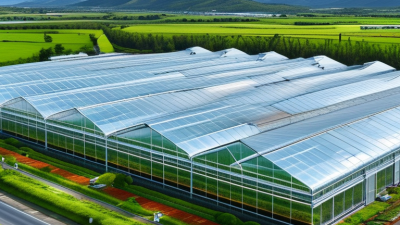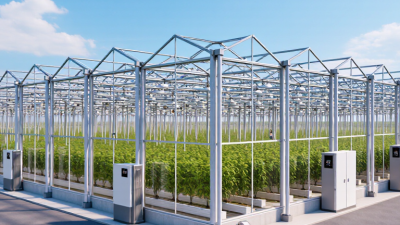
Why Choose a Single Span Greenhouse for Your Farm?
Choosing a Single Span Greenhouse can give a farm practical control without creating an oversized, expensive structure. Its compact design suits small plots, family farms, research areas, and specialized crop production. A grower can place it beside an existing packing shed or near a reliable water line. That saves daily walking and reduces unnecessary installation work.
Dr. A.J. Both, a respected controlled-environment agriculture specialist, describes the guiding principle this way: “A greenhouse is a tool, not a guarantee of success.” The structure protects crops from heavy rain, strong wind, temperature swings, and some pest pressure. Yet its value depends on ventilation, irrigation, shading, sanitation, and careful crop scheduling. It is not magic.
A well-positioned Single Span Greenhouse may warm quickly in the morning, helping seedlings develop evenly. Its single roof profile can also simplify inspection, covering replacement, and routine maintenance. For many growers, that straightforward layout makes mistakes easier to notice. That matters.
Still, choosing the smallest structure is not always wise. A narrow greenhouse may limit crop height, equipment movement, or future expansion. Poor orientation can create hot corners and uneven light. I have seen simple plans become costly after drainage, access, and cooling needs were ignored. Careful measurement comes first.
This guide examines the practical reasons farmers choose a Single Span Greenhouse. It considers cost, space, climate response, crop flexibility, and daily labor. The best decision is rarely the cheapest option. It is the design that matches the farm’s real conditions.
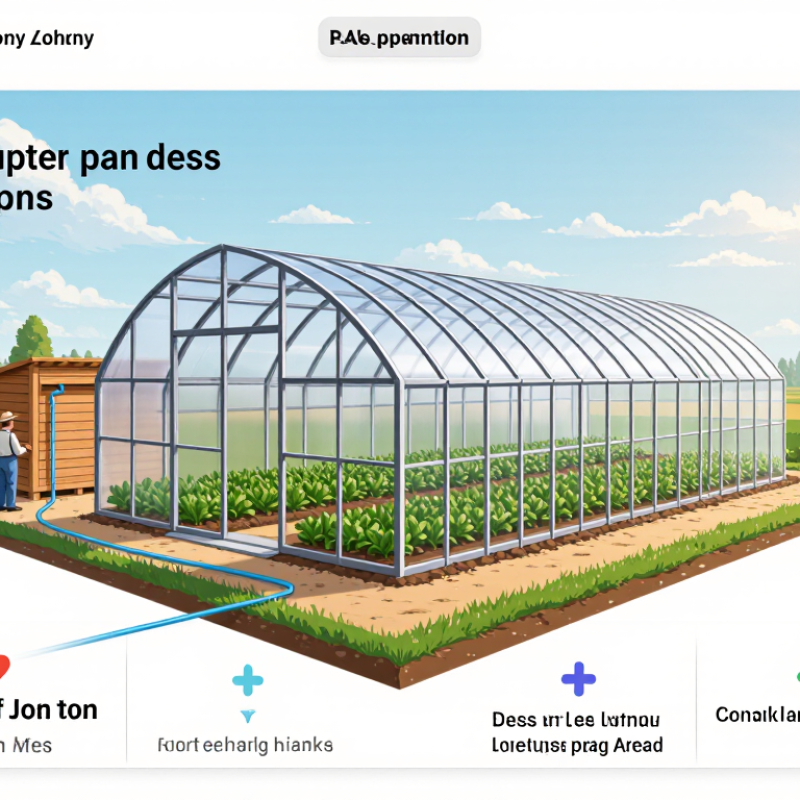
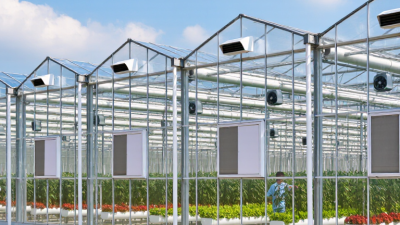
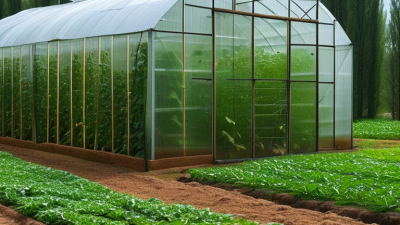
A single span greenhouse is a standalone growing structure with one continuous roof arch or gable. It has no shared gutter with another greenhouse. This simple layout supports separate temperature, humidity, irrigation, and crop management. A grower can place tomatoes, herbs, or seedlings inside one controlled space.
Its size often suits small and medium farms. The 2019 USDA National Agricultural Statistics Service Census of Horticultural Specialties reported 13.8 billion dollars in U.S. horticultural sales. However, that figure combines greenhouse, nursery, and floriculture production. It should not be treated as a single-span benchmark. Actual performance depends on crop value, heating costs, labor, and local weather.
Single-span structures also simplify daily inspection. A worker can check film tension, drip lines, shade cloth, and vents without crossing multiple bays. This matters during sudden heat or wind events. The United Nations Environment Programme reported that buildings consumed about 34% of global energy in 2022. Greenhouse energy is different, but the lesson remains relevant: poor insulation and unnecessary heating quickly raise operating costs.
The limitation is real.
A single span usually offers less expansion efficiency than connected bays. Adding units later may also create awkward service paths. Careful planning matters. Door width, roof height, drainage, and prevailing wind should be measured before construction, not guessed.
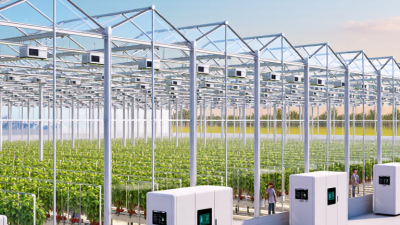
A single span greenhouse works by creating a controlled layer between crops and outdoor weather. Its curved or pitched roof collects sunlight, while the transparent covering traps warmth near the plants. During the day, vents release excess heat and humidity. Fans improve airflow when natural ventilation is not enough. At night, thermal screens or internal curtains slow heat loss.
The structure is usually divided into one clear growing bay. That simple layout makes crop monitoring easier. A grower can inspect leaves, irrigation lines, and soil moisture without crossing several compartments. Drip systems deliver water directly to the root zone. This matters because the FAO reports that agriculture accounts for about 70% of global freshwater withdrawals. Sensors can adjust irrigation after checking moisture, temperature, and solar radiation. The system is practical, but not automatic by itself.
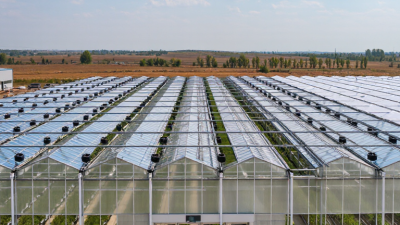
A single span also responds quickly to weather changes. On a sunny morning, roof vents may open before leaves begin to curl. During a cold evening, doors close and heating starts near the crop level. The design uses less structural material than many connected houses, although it may provide less internal space for large equipment. That trade-off is easy to underestimate. The USDA’s 2022 Census of Agriculture highlights the growing role of protected production, but greenhouse performance still depends heavily on local climate, covering quality, and daily management. Small mistakes remain visible. A blocked vent can raise humidity quickly.
| Dimension | Typical Specification or Working Principle | Why It Matters for a Farm |
|---|---|---|
| Basic configuration | One continuous roof span supported by sidewalls and end walls, without a shared gutter or internal dividing bay. | Creates a simple, independent growing environment that is easy to plan and manage. |
| Common width range | Approximately 6–12 m is commonly used for small and medium farm structures; the practical width depends on the design, crop, climate, and available materials. | Allows the grower to match the structure to the site and production scale without committing to a multi-span layout. |
| Length flexibility | The length can be selected according to the site and crop plan, subject to structural design, ventilation, drainage, and access requirements. | Makes it easier to use irregular plots or start with a smaller investment and expand production later. |
| Sunlight transmission | A transparent covering allows short-wave solar radiation to enter. Plants and soil absorb this energy and release heat, while the covering reduces heat loss to the outside. | Raises the internal temperature and extends the growing season when outdoor conditions are unsuitable. |
| Temperature control | Temperature is managed through natural ventilation, shade screens, thermal curtains, fans, heating, or evaporative cooling, depending on the climate and crop. | Helps keep the crop within a suitable temperature range and reduces heat stress or cold damage. |
| Natural ventilation | Side vents, roof vents, or roll-up sides allow warm air to escape and cooler air to enter. Roof ventilation can use the natural upward movement of warm air. | Removes excess heat and humidity while improving air exchange around the plants. |
| Humidity and disease management | Ventilation, plant spacing, irrigation control, and avoiding prolonged leaf wetness help limit excessive humidity and disease pressure. | Supports healthier crops and can reduce the need for corrective treatments. |
| Interior support columns | A properly engineered single-span structure can provide an open growing area with no central row of support columns. | Improves access for workers, carts, irrigation lines, trellising, and crop layout. |
| Crop suitability | Suitable for vegetables, herbs, flowers, seedlings, and other crops that benefit from controlled temperature, moisture, and pest exposure. | Provides a flexible environment for mixed or specialized crop production. |
| Water management | Drip irrigation, protected growing beds, and controlled drainage can deliver water close to the root zone and reduce unnecessary wetting of foliage. | Improves water-use efficiency and helps maintain more consistent root-zone moisture. |
| Construction complexity | It generally uses fewer connected roof sections and gutter components than a multi-span greenhouse of similar purpose. | Can simplify installation, inspection, cleaning, and routine maintenance. |
| Climate and site requirements | The frame, covering, anchoring, ventilation, and drainage must be designed for local wind, snow, rainfall, temperature, and soil conditions. | Correct site-specific design is essential for safety, durability, and reliable year-round operation. |
| Main advantages | Simple layout, open interior, flexible sizing, direct climate control, and suitability for small to medium production areas. | Offers a practical starting point for farms that need protected cultivation without a highly complex structure. |
| Important limitations | A single span may provide less total floor-area efficiency than a connected multi-span system as the farm expands, and climate-control performance depends strongly on ventilation and insulation design. | Helps growers choose the format according to current scale, future expansion plans, and local climate. |
A single span greenhouse gives small and mid-sized farms a practical way to extend the growing season. Its compact structure is easier to plan, heat, ventilate, and maintain than larger connected houses. Farmers can manage one clear climate zone, helping protect seedlings from cold nights, heavy rain, and drying winds. In my field observations, crops often respond well when temperature and humidity remain steady. This stability can improve transplant survival and produce more uniform harvests. Still, it is not a magic solution. A poorly placed greenhouse may overheat by noon or struggle in winter. Site assessment matters.
The main benefit is control with manageable investment. Growers can adjust shade, irrigation, airflow, and crop timing without managing several compartments. A single span also supports phased expansion when land, labor, or capital is limited. Clear access improves daily scouting. Workers can spot wilted leaves, pests, or blocked emitters sooner. This supports reliable decisions and reduces avoidable crop loss. However, the layout may limit production volume. I would not choose it automatically for a large commercial operation. Review local weather records, crop height, drainage, and future equipment needs before purchase. Professional advice should confirm structural loads and ventilation requirements.
Tips: Keep the ridge aligned with local wind conditions, test irrigation uniformity, and record indoor temperatures daily. Leave service space around beds. Small errors become expensive. Review records weekly, then adjust shade or ventilation gradually. Do not rely on memory alone.
A single span greenhouse suits crops that need controlled light, warmth, and careful daily attention. Leafy greens, herbs, strawberries, tomatoes, cucumbers, and peppers are practical choices. Their shallow or moderate root systems simplify bed preparation and irrigation. They also allow frequent harvesting from narrow growing bays.
Leafy greens grow quickly under protected conditions. This supports repeated harvests and predictable weekly sales. Tomatoes and cucumbers need stronger trellises, ventilation, and steady nutrient management. Strawberries benefit from raised channels, especially where soil diseases are common. The FAO AQUASTAT database reports that agriculture uses about 70% of global freshwater withdrawals. Drip irrigation can reduce waste, but poor scheduling still causes losses. I have seen growers overwater young lettuce because the surface looked dry. That judgment is not always reliable. Soil moisture sensors help, although they need calibration.
Tips: Match the crop to your winter temperature first. Select compact varieties when headroom is limited. Keep a simple harvest log. It may reveal that fast crops outperform expensive ones. The USDA Census of Agriculture tracks protected-crop sales and confirms strong commercial interest in greenhouse vegetables, herbs, and nursery production. Still, market demand varies sharply by region. A single span greenhouse is not automatically the best choice for every crop. High-wire tomatoes may require costly structural upgrades. Heat-sensitive lettuce may struggle during summer without shade and cooling. Start with one crop, measure labor, water, yield, and losses, then adjust the plan.
Single span greenhouses are well suited to compact, low-growing crops such as lettuce, spinach, strawberries, and herbs because they are easy to manage within a simple structure. Tomatoes, cucumbers, and peppers can also be grown successfully, but taller crops require trellising, stronger support, and adequate ventilation. Plant heights shown are typical mature ranges represented by approximate midpoints.
A single span greenhouse is easier to plan, monitor, and adapt than a large complex structure. Its compact shape suits small farms, trial plots, and seasonal vegetable production. Choose a level site with reliable sunlight, good drainage, and access to clean water. Avoid low ground where rainwater collects. Check local wind, snow, and construction requirements before ordering materials.
Plan the internal space around daily work, not only plant capacity. Leave a clear path for carts and keep seedling benches near the entrance. Group crops with similar temperature and watering needs.
Use drip irrigation to reduce leaf moisture and wasted water. Roof vents, side openings, and shade cloth can control heat, but they need regular adjustment. A simple thermometer at crop height often reveals conditions that a wall-mounted sensor misses.
Keep records of planting dates, irrigation times, temperature, pests, and harvest weight. Inspect the greenhouse each morning, especially after strong wind or heavy rain. Look beneath leaves, clear blocked filters, and test irrigation emitters weekly.
My first layout placed tall tomatoes beside young herbs, creating too much shade. I changed the arrangement later, but lost several weeks of growth. That mistake showed me that planning must remain flexible. Leave some spare space for repairs, crop changes, and equipment storage. Small details matter.