2026 Best Light Deprivation Greenhouse Techniques for Growers?
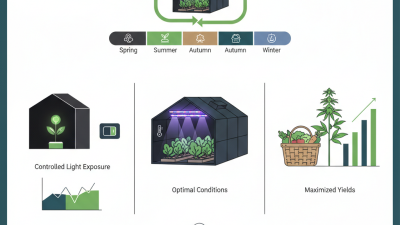
In the ever-evolving world of agriculture, "Light Deprivation Greenhouse" techniques stand out for their efficiency and effectiveness. As growers seek to maximize crop yields, understanding these methods is crucial. The principle is simple: control light exposure to mimic seasonal changes. This process aids in stimulating faster flowering and increased harvests.
Implementing light deprivation requires knowledge and experience. Different materials and setups can impact outcomes significantly. It's essential for growers to choose the right environment, whether for vegetables or flowers. Yet, challenges exist. Improper setup may lead to reduced growth or wasted resources. Reliable techniques, backed by expertise, help avoid common pitfalls.
The 2026 techniques emphasize innovation and adaptability. With technological advancements, growers can refine their methods continuously. However, it’s important to remain aware of the drawbacks. Not every method suits all growers. Continuous learning and adapting are vital for success in light deprivation greenhouse strategies.
Overview of Light Deprivation Greenhouse Concept and Its Importance
Light deprivation greenhouses are game-changers for growers. This innovative technique allows plants to receive controlled light exposure, enhancing growth cycles. According to recent studies, implementing light deprivation can boost yields by 20-30%. This is crucial for cultivators looking to maximize productivity with limited space. The method involves light-blocking materials, which help artificially induce flowering by mimicking natural seasons.
Understanding the importance of light deprivation is vital for modern agricultural practices. It helps in managing crop cycles more efficiently, reducing the time from seed to harvest. Reports indicate that growers using this method can achieve multiple harvests in a single year, a significant advantage in competition. However, the initial setup requires investment in technology and materials. Growers must carefully assess their capabilities before diving in.
While the benefits are promising, challenges exist. Improper use of light deprivation can lead to stunted growth or poor-quality produce. This demands a level of expertise in both agricultural science and practical application. Continuous learning and adjustments are part of the process for ensuring success in this method. As more growers adopt this technique, sharing insights and experiences will be valuable for overall improvement in the industry.
2026 Best Light Deprivation Greenhouse Techniques for Growers
| Technique |
Description |
Benefits |
Cost Efficiency |
Ideal Crops |
| Blackout Tarps |
Heavy-duty tarps used to block natural light. |
Cost-effective and easy to install. |
Low initial investment and maintenance. |
Cucumbers, tomatoes, and cannabis. |
| Rolling Shutters |
Mechanical systems that open or close to control light. |
Enhanced control over light exposure. |
Medium initial investment, reduces energy costs. |
Flowers, leafy greens. |
| Light Deprivation Structures |
Permanent structures that dramatically minimize light. |
Maximizes yield control and quality. |
High upfront cost, long-term savings on production. |
Cannabis, tomatoes. |
| LED Growth Lights |
Supplemental lighting system indoors or in greenhouses. |
Promotes faster growth, energy-efficient. |
Moderate initial investment, significant energy savings. |
All indoor crops. |
Key Techniques for Implementing Light Deprivation in Greenhouses
Implementing light deprivation methods in greenhouses can significantly enhance crop yields. Growers can successfully control light exposure to stimulate growth phases. The goal is to manipulate the light cycle to mimic natural conditions. Using blackout tarps or shade cloths can be highly effective in this process. These materials help create the right environment while blocking out unwanted light.
A critical aspect involves timing. The duration of light deprivation needs careful planning. Too much darkness might hinder growth, while not enough could delay flowering. Use a timer to maintain consistency. Regular checks are vital to ensure that the tarps are securely in place. Gaps can lead to light leaks, disrupting the environment.
Another technique involves combining environmental controls. Maintaining optimal temperature and humidity levels is essential. Light deprivation should not compromise these conditions. Measure and monitor these variables closely for best results. Experience with your specific plants will guide adjustments. A trial-and-error approach can yield valuable insights over time. Be prepared to adapt based on what you observe in your greenhouse.
Materials and Structures for Optimal Light Control in Greenhouses
In the quest for optimal light control in greenhouses, choosing the right materials and structures is crucial. Light deprivation techniques can maximize plant growth by controlling light exposure. One effective approach involves the use of blackout films that prevent ambient light from interfering with the plants' light cycles. These films can be installed over frames, creating a complete barrier to light. Opting for durable, UV-resistant materials ensures longevity and efficiency.
The structure of the greenhouse itself also impacts light control. Adjustable shading systems allow growers to adapt to changing weather conditions easily. Sliding panels can be beneficial, allowing growers to regulate light exposure as needed. However, these systems may require regular maintenance to prevent mechanical failures. Also, the initial investment might be substantial, which can be a drawback for some.
Ventilation and insulation are often overlooked but play a pivotal role in achieving the desired environment. Even with top materials, poor airflow can lead to overheating, which jeopardizes plant health. A common mistake is not accounting for the greenhouse's geographic location, which influences sunlight angles and intensity. Regular assessments of structure effectiveness can help refine strategies over time. Each aspect requires careful consideration to ensure that all elements work harmoniously together.
Best Practices for Managing Plant Growth Under Light Deprivation
Light deprivation greenhouses enable growers to control photoperiods effectively. This practice significantly influences plant growth and yields. Research from the University of Vermont indicates that these methods can increase the flowering potential by up to 30%. Managing light exposure is critical. Maintaining consistent light cycles can help regulate growth and cannabinoid profiles in plants.
Achieving optimal growth requires careful monitoring of environmental conditions. Temperature, humidity, and light quality all play vital roles in plant health. According to a report from the American Society for Horticultural Science, fluctuations in temperature can stress plants, affecting their overall quality. Growers must adjust their strategies based on seasonal changes and plant needs. Failing to adjust conditions can lead to stunted growth or poor health.
Regular data collection and analysis are essential for successful management. Growers should document growth patterns and environmental factors. This helps identify trends and make informed decisions. Furthermore, sharing experiences with other growers can reveal unique challenges and solutions. Some common issues arise, such as pests or nutrient deficiencies. Reflecting on these challenges can lead to better practices in the future.
Common Challenges and Solutions in Light Deprivation Greenhouse Cultivation
Light deprivation greenhouses provide an effective way to manage light exposure for crops. However, growers face several challenges in maintaining optimal conditions. One common issue is light leaks, which can disrupt the photoperiod. Even small gaps can affect plant development. Regular inspections and high-quality blackout tarps can help mitigate this problem.
Temperature fluctuations also pose a significant challenge. When using light deprivation techniques, maintaining a stable environment is crucial. Excessive heat during the day can stress plants and hinder growth. Monitoring temperature levels and using ventilation systems allows for better control. It’s essential to balance light deprivation with adequate airflow for plant health.
Pest control can complicate the growing process. Closed environments may encourage pest populations to flourish. Regular inspections and integrated pest management strategies are vital. Utilizing beneficial insects can help maintain a healthy ecosystem. These measures require continuous adaptation and vigilance from growers, as every greenhouse presents different challenges. Building a reliable system may take time and effort but can lead to fruitful results.
2026 Best Light Deprivation Greenhouse Techniques for Growers
This chart illustrates the common challenges faced by growers in light deprivation greenhouse cultivation, along with solutions provided for each challenge. The data points represent the percentage of growers experiencing each challenge and the corresponding effectiveness of solutions implemented.