A greenhouse can turn a short growing season into a longer, more predictable one. But adding sensors and automation does not automatically make a farm more productive. The right Smart Greenhouse fits the crop, climate, labor, and budget you actually have—not an idealized farm in a sales brochure.
The stakes are practical. FAO estimates that agriculture accounts for roughly 70% of global freshwater withdrawals, making efficient irrigation an important consideration for growers. USDA’s 2022 Census of Agriculture, Horticulture Specialties report recorded $18.3 billion in U.S. horticultural sales, reflecting the scale and commercial importance of this sector. These figures are context, not a promise that greenhouse technology will save water or increase profits on every farm. Results depend on design, operating practices, and local conditions. Details matter.
Choosing a system means looking beyond its touchscreen. Compare climate controls, ventilation, heating, irrigation, sensor accuracy, data access, and support after installation. Check whether the system can manage your crops’ actual temperature and humidity ranges, and whether staff can maintain it without specialized help. A polished dashboard is useful; reliable readings from a humid growing bay are more useful.
Costs deserve equal attention. Include installation, energy, water, repairs, software fees, and replacement parts—not just the purchase price. Ask vendors how their equipment performs in conditions like yours, and request references from farms growing similar crops. Some numbers may remain uncertain until you trial the system. That is worth admitting. This guide outlines how to compare options, assess trade-offs, and choose a Smart Greenhouse that serves your farm’s needs over time.
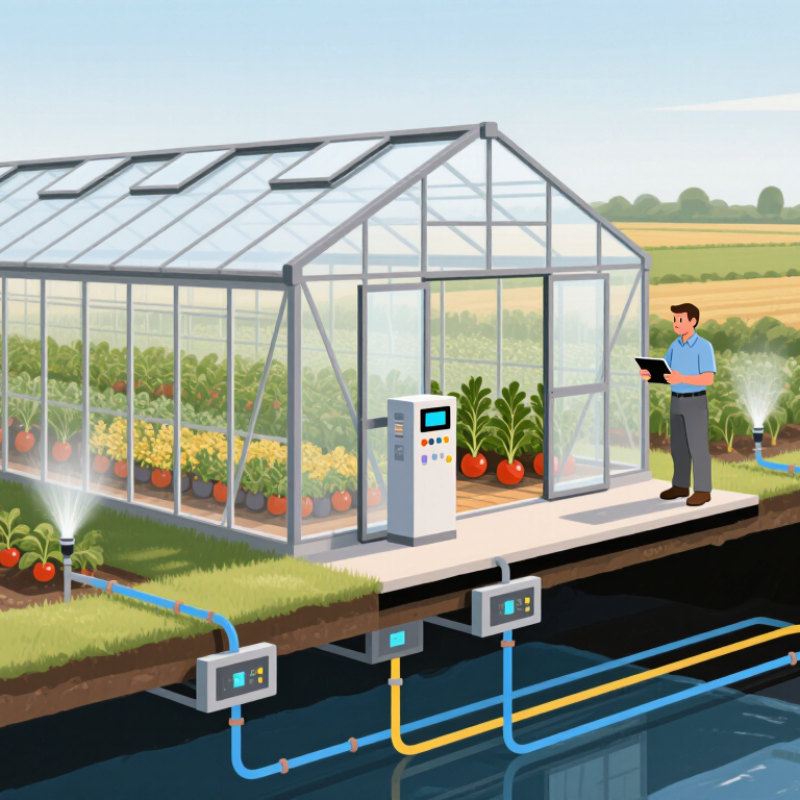
Before comparing greenhouse features, write down what your farm needs to produce. A leafy-greens operation may need steady humidity and fast crop cycles. A seedling nursery may prioritize even temperatures and reliable light. Be specific. Record target crops, growing area, planting schedule, expected yield, and seasonal gaps. If plants fail near the cold wall, record it. A smart system cannot fix what you have not measured.
Then map daily work, not just ideal growing conditions. Who checks vents, pumps, and alarms during a weekend shift? How often can staff inspect sensors, clean filters, or refill water tanks? Keep several weeks of temperature and humidity logs. Handwritten notes help, though they are easy to forget. Be honest about limits. Unreliable internet, brief power cuts, or scarce technical support can change which controls are practical. Decide which tasks should run automatically and which need human approval. Automatic venting may help on sunny afternoons, but a sudden storm can make a preset feel too blunt. Test your assumptions through one crop cycle before expanding.
How to Choose the Best Smart Greenhouse for Your Farm
Compare Smart Greenhouse Designs and Growing Systems
Compare the structure and growing system separately. High tunnels cost less and suit seasonal crops, but offer limited climate control. Glass houses admit strong natural light, while polycarbonate structures can improve insulation and reduce breakage risk. The right choice depends on local wind, snow, heat, and available repair skills. USDA NASS reported $18.3 billion in 2022 sales across nursery, greenhouse, floriculture, and sod products. This broad category is not greenhouse-only, but it shows the sector’s scale.
Inside, soil beds are familiar and flexible; hydroponics can use water and space efficiently, but require close monitoring of nutrient balance and pumps. For context, FAO’s 2022 report on water use in agriculture notes that agriculture accounts for about 70% of global freshwater withdrawals. That global figure cannot predict a farm’s savings, yet it makes water measurement essential. Compare drip irrigation, recirculating systems, and drainage controls against your crop and water quality. Sensors help, but poor calibration can quietly distort decisions. It happens.
Tips: Visit a working site in your climate. Ask to see winter energy bills, crop logs, and sensor maintenance records. Start with one bay if your budget is tight, then review real operating data before expanding.
| Greenhouse Design | Growing System | Best Suited To | Useful Smart Controls | Main Advantages | Key Trade-Offs | Planning Priorities |
|---|---|---|---|---|---|---|
| Unheated high tunnel Single or multi-bay structure, typically covered with greenhouse film and naturally ventilated through doors or roll-up sides. |
In-ground beds or raised beds with drip irrigation. | Season extension for field crops, leafy greens, herbs, and other crops suited to the local climate. | Air temperature and humidity sensors; soil-moisture monitoring; automated irrigation valves; alerts for high temperature or low moisture. | Relatively simple construction and operation; soil-based production uses familiar methods; drip lines deliver water near crop roots. | Temperature and humidity control is limited compared with a fully enclosed, mechanically conditioned greenhouse. Wind, rain, and outdoor temperatures can affect conditions. | Check wind and snow loads, drainage, local permitting, access to water, and the availability of reliable ventilation and irrigation. |
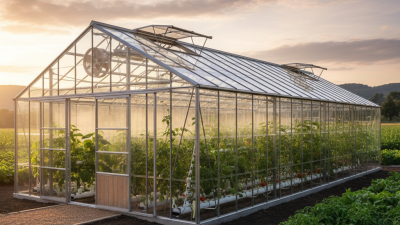
| Single-span polycarbonate greenhouse Rigid twin-wall or multi-wall panels provide a more enclosed growing space than a typical high tunnel. |
Soil beds or containers with drip irrigation and soluble nutrient dosing. | Small and medium farms growing transplants, vegetables, or flowers that need more environmental control than an open-sided structure provides. | Temperature and humidity sensors; automated roof vents and fans; irrigation scheduling; optional heating and light monitoring. | Rigid panels provide a durable enclosure and can offer better insulation than single-layer film, depending on panel construction. | Heating, cooling, and ventilation needs depend on climate and crop. Rigid glazing and control equipment add to construction and maintenance requirements. | Compare panel light transmission and insulation specifications; plan for summer heat removal, condensation management, and safe electrical installation. |
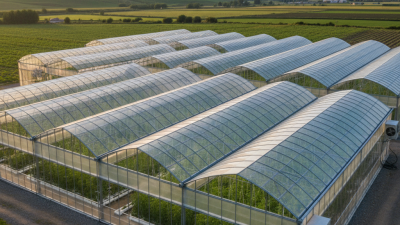
| Multi-span polyethylene greenhouse Connected bays create a larger growing area under a shared structure, often with automated ventilation. |
Soil beds, grow bags, or containers supplied by drip irrigation. | Commercial vegetable or flower production where a relatively large covered area and repeatable irrigation are priorities. | Central temperature and humidity monitoring; motorized vents; circulation fans; irrigation and fertigation controls; alarms and remote status checks. | Connected bays can support efficient use of space and shared systems. Drip irrigation is adaptable to many crops and growing media. | Conditions can vary across a large structure. Plastic film requires inspection and eventual replacement; climate-control performance depends on correct sizing and maintenance. | Design ventilation and heating for the whole structure, check crop-zone airflow, and provide filtration and routine maintenance for irrigation equipment. |
| Multi-span glass greenhouse Permanent glazed structure with mechanical ventilation and, where needed, heating or cooling equipment. |
Substrate culture in bags or containers, commonly with recirculating or drain-to-waste drip irrigation. | Year-round or high-intensity production of greenhouse vegetables, such as tomatoes, cucumbers, and peppers. | Integrated temperature, humidity, and light monitoring; vent and heating control; irrigation scheduling; nutrient-solution EC and pH monitoring. | Supports coordinated control across a large production area. Substrate systems allow consistent water and nutrient delivery without relying on field soil. | Higher structural and equipment complexity than basic tunnels. Skilled operation is needed to manage irrigation, nutrients, climate, and sanitation. | Assess local light levels, energy and water costs, crop-market requirements, backup plans, and whether staff can manage the control system. |
| Enclosed greenhouse with climate control Insulated or otherwise tightly managed structure equipped with heating, cooling, and controlled ventilation as required by the site. |
Deep-water culture (DWC) or another water-based hydroponic system for suitable crops, especially leafy greens and herbs. | Producers seeking consistent indoor growing conditions for crops with compatible temperature and root-zone requirements. | Air and water temperature sensors; humidity monitoring; dissolved oxygen checks; water-level alarms; circulation and aeration controls; pH and EC monitoring. | Water-based systems can provide direct access to nutrient solution and avoid soil-borne weeds. Sensors can help operators detect changes in water or air conditions. | Root-zone water quality and aeration require close attention. A pump or power interruption can affect the crop, so contingency planning is important. | Plan for filtration, water testing, sanitation, backup power or emergency procedures, and separation of crops with different climate needs. |
| Greenhouse configured for recirculating production Any suitable enclosed design fitted with collection, filtration, and monitoring equipment for reuse of drainage water. |
Recirculating hydroponics or aquaponics. Aquaponics combines fish culture with plant production and requires management of both systems. | Farms with appropriate water quality, technical capacity, and a clear plan for nutrient management and crop selection. | Water-flow and tank-level sensors; water temperature; pH and EC monitoring; dissolved oxygen monitoring where relevant; pump and system alarms. | Collecting and treating drainage can make water reuse possible. Monitoring helps operators track important water-quality conditions. | Recirculation increases the importance of water treatment, disease prevention, and regular testing. Aquaponics adds fish-health and nutrient-balancing responsibilities. | Confirm water-treatment needs, discharge rules, biosecurity procedures, backup circulation plans, and the staff time required for daily monitoring. |
A smart greenhouse should match your crops, local weather, and daily routine. Look beyond the number of automated features. Check whether climate controls let you set separate day and night temperatures, humidity targets, and ventilation thresholds. Leafy greens may need steady, cooler conditions, while fruiting crops often benefit from warmer days and careful airflow. The exact settings depend on the crop and growth stage. Small errors matter. Ask how the system responds when a vent sticks or power fails, and whether you can operate equipment manually.
Sensors are only useful when placed well and checked regularly. A temperature sensor near a heater may read warmer than the canopy, so compare readings at plant height and in different zones. Use humidity sensors to spot damp corners where disease pressure can rise. Soil moisture sensors can guide irrigation, but test them against the actual growing medium; readings may vary with substrate and placement. Automation should show clear alerts, record temperature and humidity trends, and allow sensible adjustments rather than hiding them behind preset modes. Review logs after unusually hot afternoons or cold nights. I would not trust a new setup without checking its readings by hand for several weeks. That takes time, but it can reveal a calibration issue before plants show stress.
Compare typical daytime and nighttime air-temperature targets for three greenhouse crops. The ranges are approximate; actual targets vary by cultivar, growth stage, light, and local conditions.
When evaluating a smart greenhouse, check that its temperature sensors and climate controls can maintain crop-specific day and night setpoints, and that automation can respond with heating, cooling, or ventilation.
Start with the site, not the sales brochure. Check winter lows, summer heat, prevailing winds, drainage, water pressure, and reliable internet coverage. NOAA’s 1991–2020 U.S. Climate Normals provide local temperature and precipitation records; use them to size heating, cooling, and ventilation rather than relying on regional averages. Walk the proposed footprint at different times of day. A shed or tree can shade one wall, while a low spot may leave equipment exposed to standing water. Put sensors near the crop canopy, too. Roof-level readings may not reflect what plants experience.
Energy costs can change the decision. The U.S. Energy Information Administration’s 2023 Electric Power Monthly reports average commercial electricity prices of about 12.5 cents per kilowatt-hour nationally. Your tariff may differ, and peak-hour rates can make lighting or pumping costly. Estimate annual use for heaters, fans, pumps, controls, and supplemental lights. Then add installation, connectivity, maintenance, sensor replacement, and backup power to the purchase price. Compare total costs over several years, not just the first season. It still leaks. One estimate will be imperfect; record actual meter readings during the first crop cycle and revise the budget before expanding.
Match the structure to the crop, not the other way around. Leafy greens and herbs suit compact bays with uniform airflow and easy access for frequent harvests. Tomatoes and cucumbers need more vertical space, stronger support, and room for pruning and picking. Start with the crop. Sketch its mature height, row spacing, and daily workflow before comparing greenhouse sizes.
For a small farm testing demand, a modular tunnel or modest greenhouse can limit upfront costs and let you learn how heat and humidity behave on your site. Larger operations may benefit from multi-bay structures, automated vents, and zoned irrigation, but only when labor savings justify the added controls. USDA NASS’s 2022 Census of Agriculture reports an average U.S. farm size of 463 acres. That broad average is context, not a greenhouse-sizing rule; a few intensively managed acres may need more precise climate control than a much larger field farm.
Check local wind, snow, and summer heat requirements before choosing glazing or frame strength. Then estimate water, energy, and labor needs for your actual crop calendar. I would be cautious with tidy payback spreadsheets: they often understate repairs, crop losses, and time spent learning unfamiliar controls. Leave space for carts, harvest bins, and future changes. A walkway that looks generous on paper can feel narrow at harvest.